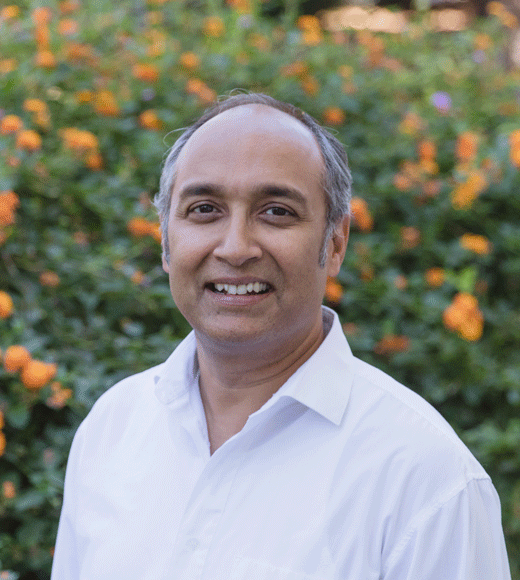
Paul Stoy is a Professor in the Department of Biological Systems Engineering at the University of Wisconsin–Madison, affiliated with the Nelson Institute for Environmental Studies and the Center for Climatic Research. He holds a B.A. in Zoology and Botany (2001, UW-Madison) and a Ph.D. in Ecology (2006, Duke University). His research focuses on surface-atmosphere exchanges, ecosystem ecology, and natural resource management, with emphasis on climate-vegetation interactions, hydrological cycles, and remote sensing applications. Recent work includes partitioning evaporation/transpiration, monitoring terrestrial carbon fluxes via satellites, and optimizing agricultural water management. He holds prestigious awards like the Clarivate Analytics Highly Cited Researcher (2018) and Humboldt Research Fellowship. Active grants include NSF-funded studies on ecosystem management impacts on precipitation dynamics and forest function under climate change. Dr. Stoy collaborates internationally, advancing climate solutions through bench-scale flux benchmarks and geostationary satellite data integration. Education: B.A. Zoology/Botany (UW-Madison 2001); Ph.D. Ecology (Duke 2006). Research highlights include drought mechanisms in Great Plains ecosystems, crop coefficients for cereal crops, and ozone uptake in agroecosystems. His work bridges field measurements (flux towers) with satellite remote sensing to address global climate challenges.