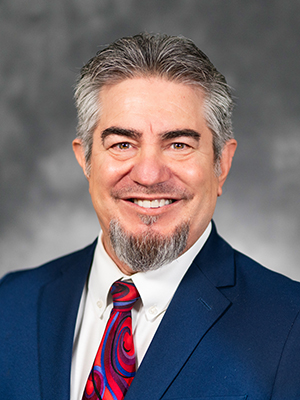
Britt Burton-Freeman is a Professor in the Department of Food Science and Nutrition at Illinois Institute of Technology (IIT), serving as Chair of her department and Director of the Center for Nutrition Research. She holds academic affiliations with the Lewis College of Science and Letters and the Center for Sports Innovation. Her research focuses on cardio-metabolic risk reduction through plant-based diets, gut microbiome interactions, and dietary phytochemicals. She has earned Excellence in Teaching and Research awards, and serves as Editor-in-Chief of Nutrition and Healthy Aging and on the board of Journal of Berry Research . Education includes a Ph.D., M.S., and B.S. in Food Science from UC Davis and California State University-Chico. Her interdisciplinary approach integrates nutrition, food chemistry, and physiology to understand human responses to diet. Key research themes include inflammation modulation, postprandial metabolism, and fiber-carbohydrate interactions in appetite regulation. Recent publications explore mango’s insulin-sensitizing effects and novel butyrate supplements. Her work appears in journals like Nutrients , Obesity , and Food & Function . Grants and collaborations focus on translational nutrition science with industry and clinical partners. She advises on food policy to improve public fruit/vegetable intake and leads teams in dietary intervention trials targeting metabolic health.
John Clemmer, PhD, is an Assistant Professor in the Department of Physiology and Biophysics at the University of Mississippi Medical Center, School of Medicine. His research employs mathematical modeling to investigate integrative physiology, focusing on hypertension, chronic kidney disease, and heart failure with preserved ejection fraction. Dr. Clemmer develops and utilizes the HumMod model to simulate pharmacological and device-based therapies, creating virtual populations to predict clinical trial outcomes. His research interests span: Cardiovascular and renal physiology Physiological modeling of salt sensitivity and antihypertensive therapies Racial disparities in hypertension and heart failure Renoprotective mechanisms of SGLT2 inhibitors Baroreflex activation therapy for obesity-induced hypertension Dr. Clemmer has received numerous prestigious awards including the Arthur C. Guyton Award (2023) and multiple American Heart Association Fellowships. His publications demonstrate consistent focus on cardiorenal interactions, health disparities, and computational physiology approaches to disease modeling. Laboratory activities include research training in integrative physiology with opportunities for postdoctoral fellows. Current grants support investigations into the impact of renal dysfunction in Black Americans with HFpEF and modeling of SGLT2 inhibition in hypertensive kidney disease.
Dr. Lorena M. Amaral serves as Associate Professor in the Department of Pharmacology and Toxicology at the University of Mississippi Medical Center (UMMC) School of Medicine. She holds significant leadership roles including Associate Program Director for the Maternal Fetal Medicine track in the Master in Clinical Science Investigation program, Chair of the SOM Curriculum Program Evaluation Subcommittee, and membership on the Pharmacology Graduate Admission Committee and SOM Curriculum Foundation Science Committee. Her educational background includes: Postdoctoral Research Fellow in Pharmacology, University of Mississippi Medical Center (2017) PhD in Pharmacology, University of Sao Paulo (2012) MS in Pharmacology, University of Sao Paulo (2010) PharmD in Pharmacist, Federal University of Juiz de Fora (2008) Dr. Amaral's research program focuses on translational investigations of hypertensive disorders of pregnancy, with particular emphasis on preeclampsia pathophysiology and novel therapeutic targets. Her work integrates immunology, cardiovascular physiology, and mitochondrial biology to explore mechanisms involving immune cell activation (B cells, T cells, natural killer cells), autoantibody production (AT1-AA), and inflammatory pathways. She has pioneered research on progesterone and its derivatives as potential therapeutics, examining their effects on inflammation, endothelial dysfunction, and placental ischemia. Analysis of her publication record reveals dominant research themes in immune-mediated hypertension during pregnancy, with increasing focus on cellular mechanisms (B/T cell interactions), mitochondrial dysfunction across maternal organs, and therapeutic interventions targeting progesterone pathways. Recent work demonstrates significant contributions to understanding how immune cells drive multiorgan damage and cognitive dysfunction in preeclampsia. Her scientific achievements have been recognized through: Fellowship in the American Heart Association (FAHA) Caroline tum Suden/Hellebrandt Professional Opportunity Award from the American Physiological Society International Society for Study of Hypertension in Pregnancy President Award for Outstanding Basic Science Oral Presentation Career Development Award from the American Heart Association Dr. Amaral actively mentors graduate students and MD fellows, serving on advisory committees for Nathan Campbell, Owen Herrock, Dylan Solise, and James Hogg. Her research program is supported by multiple NIH grants including R01 funding for projects investigating progesterone-mediated anti-inflammatory effects as therapy for hypertensive pregnancy disorders, novel pharmacological treatments for preeclampsia, and mechanisms of sex differences in offspring from hypertensive pregnancies. She also directs NIH-funded clinical investigation training programs. She maintains active laboratory operations within UMMC's Department of Pharmacology and Toxicology, collaborating with the Mississippi Center for Clinical and Translational Research and the Center of Excellence in Perinatal Research. Her team employs advanced techniques including placental ischemia rat models, immune cell profiling, mitochondrial bioenergetics assessment, and translational biomarker studies.
Ashish Agrawal, MD is an Associate Clinical Professor at the University of California, San Francisco (UCSF), based at Zuckerberg San Francisco General Hospital. His clinical specialties include Critical Care Medicine, Respiratory Care, and Trauma. He completed a Diversity, Equity, and Inclusion Champion Training program through the University of California in 2019. Dr. Agrawal's research focuses on biomarkers predictive of acute lung injury (ALI) and endothelial dysfunction in critically ill patients. His work emphasizes improving clinical prediction scores through plasma biomarkers like angiopoietin-2, which identifies high-risk patients early in their care. His publications span critical care topics, including ALI pathogenesis, optic nerve sheath diameter measurement techniques, and corneal stem cell transplantation trials. He has contributed to studies funded by NIH grants (e.g., HL090833, HL110969).
Dr. Derek Boeldt is an Assistant Professor in the Department of Obstetrics and Gynecology at the University of Wisconsin-Madison. He holds a BSc (2005) and PhD (2013) from the same institution. His research focuses on translational approaches for preeclampsia therapy, emphasizing cell signaling targets downstream of abnormal hormonal inputs. Key interests include vascular biology adaptations during pregnancy and their disruption in preeclampsia. Education: BSc, University of Wisconsin-Madison (2005) PhD, University of Wisconsin-Madison (2013) Research Interests: Endothelial dysfunction mechanisms in preeclampsia Role of fatty acids and metabolites in pregnancy outcomes Inflammatory mediator effects on vascular health Therapeutic potential of conjugated linoleic acid (CLA) Recent Work Trends: His publications highlight immune cell interactions with endothelium, cytokine signaling pathways, and the protective role of CLA in maintaining vascular integrity. Recent studies (2023–2024) emphasize microphysiological systems to model disease mechanisms. Advising: Past advisees include Aishwarya Rengarajan and Amanda Mauro. He is a T32 Faculty Trainer in the ERP Program since 2016.
Geoff Werstuck is a Professor in the Department of Medicine at McMaster University. His primary affiliation is within the Faculty of Health Sciences, where he focuses on cardiovascular and metabolic disease research. His work examines the molecular mechanisms linking diabetes mellitus to accelerated atherosclerosis, with particular attention to endoplasmic reticulum (ER) stress pathways and glycogen synthase kinase-3 (GSK-3) signaling. Research Interests: Dr. Werstuck’s studies investigate how chronic hyperglycemia, sex hormones, and metabolic disturbances drive cardiovascular complications. Key areas include ER stress-induced cellular dysfunction, macrophage polarization in atherosclerosis, and the role of GSK-3α/β in vascular pathologies. His work integrates mouse model studies with molecular biology techniques to unravel disease mechanisms. Recent Articles Focus: Over the past decade, his publications emphasize: Sex hormone effects (estrogen/testosterone) on atherosclerosis progression ER stress-GSK-3β cross-talk in vascular inflammation Diabetes-associated vascular complications, including vasa vasorum neovascularization Pharmacological interventions targeting metabolic syndrome and atherosclerosis Teaching: He has consistently taught the Inquiry II: Biochemistry course (HTHSCI 2E03) at McMaster since 2018, contributing to medical student education in biomolecular sciences. Future Work: Current projects explore sexual dimorphism in diabetes-related cardiovascular risks and novel therapeutic targets for ER stress modulation in atherosclerosis.
Professor Ian Hitchcock is a faculty member in the Department of Biology at the University of York, holding the title of Professor of Experimental Haematology. His research focuses on understanding the molecular mechanisms underlying blood cancers, particularly myeloproliferative neoplasms (MPNs), and the role of the thrombopoietin (TPO) receptor in disease development. His lab employs interdisciplinary approaches, including single-molecule imaging and collaborative studies, to develop targeted therapies. Key areas of study include MPN-induced inflammation, endothelial dysfunction, and the pathophysiology of non-malignant haematological disorders such as thrombocytopenia and anaemia. Professor Hitchcock also leads the Immunology, Haematology and Infection theme within the York Biomedical Research Institute (YBRI), collaborating with experts like Dr. David Kent, Dr. Allison Green, and Professors Paul Kaye and Paul Genever. His work integrates cell biology, molecular biology, and immunology to address challenges in haematological malignancies and infectious disease impacts on blood systems. Teaching responsibilities include modules on blood cell production, haematological malignancies, and thrombosis for undergraduate and medical students. He has secured grants, including the MRC IAA project on TPO signaling. Despite no explicitly listed awards, his contributions are highlighted through frequent invited talks and conference participations on topics such as JAK2 mutations and MPL receptor activation. Based at the Department of Biology, University of York, his lab (Hitchcock Lab) is part of a multidisciplinary research ecosystem focused on advancing therapies for blood disorders and understanding disease mechanisms at cellular and molecular levels.
Mukesh Gupta is a Research Associate Professor in the Department of Biomedical Engineering at Vanderbilt University's School of Engineering. His research focuses on developing advanced biomaterials, including shear-thinning hydrogels, nanofibers, and ROS-responsive polymers for drug delivery and tissue engineering applications. He holds a Ph.D. in Polymer Chemistry from the University of Pune, with earlier degrees from Mohan Lal Sukhadia University and the University of Rajasthan. His work emphasizes creating biodegradable systems that protect cells under mechanical stress and oxidative environments. Key projects include ROS-degradable foams for wound repair and targeted drug delivery platforms using micellar nanoparticles. Gupta collaborates extensively with colleagues on interdisciplinary projects in nanomedicine and regenerative medicine. Recent research trends show a focus on combining hydrogel mechanics with antioxidant properties to enhance therapeutic efficacy in applications like 3D bioprinting and cell transplantation. His materials have been applied to osteoarthritis treatment, cancer drug delivery, and cardiovascular protection. Gupta has advised numerous graduate students and contributed to over 50 peer-reviewed publications. His lab focuses on translational research with potential clinical applications in wound care, bone regeneration, and targeted therapeutics.
Kyle Hocking is a Research Assistant Professor of Vascular Surgery and Biomedical Engineering at Vanderbilt University's School of Engineering. His work focuses on vascular physiology, hemodynamic monitoring, and biomedical device development, particularly in vein grafts and non-invasive venous analysis (NIVA). His research integrates nanotechnology for drug delivery and explores the impact of mechanical forces on vascular tissue. Collaborations include studies on endothelial dysfunction, surgical techniques, and clinical outcomes in heart failure and trauma. Key contributions include developing NIVA for fluid status assessment and elucidating mechanisms of vein graft failure. Recent projects emphasize clinical translation of NIVA technology for heart failure, hemorrhage management, and pediatric neurosurgery. His work bridges engineering and medicine, addressing challenges in vascular surgery, critical care, and diagnostic innovation. Collaborators include leading experts in cardiovascular biology, neurosurgery, and biomedical engineering. His research portfolio spans over 50 peer-reviewed articles, with emphasis on venous waveform analysis, nanopolyplex drug delivery systems, and vascular biology. Current efforts focus on improving surgical outcomes through advanced biomaterials and real-time monitoring systems.
Annie Kathuria, PhD is an Assistant Professor in the Department of Biomedical Engineering at Johns Hopkins University, affiliated with the Kavli Neuroscience Discovery Institute. Her research focuses on organoid tissue engineering using pluripotent stem cells to create 3D models of neurological systems, particularly cerebral organoids for studying autism, schizophrenia, Alzheimer's, and other disorders. She leads the Kathuria Lab, which employs multi-modal approaches including electrophysiology and high-throughput imaging to advance drug screening and toxicological analysis. Education: PhD in Neuroscience (King’s College London, 2016), MSc in Clinical Neuroscience (King’s College London, 2012), BSc Double Major in Neuroscience/Genetics (University of Minnesota, 2011). She completed a postdoctoral fellowship at Harvard Medical School in 2019. Research Interests: Development of cerebral, retinal, and visceral organoids; molecular mechanisms of neurodevelopmental disorders; industry partnerships for translational applications in personalized medicine and food safety. Her work bridges stem cell biology, bioengineering, and computational analysis to create clinically relevant models. Recent Highlights: 2023 interview highlighted her vision for integrating organoid systems with machine learning to accelerate drug discovery. Her lab's multi-region brain organoid fusion system (2025) represents a major advancement in modeling complex neural circuits.
Dr. William Jackson is a Professor in the Department of Pharmacology & Toxicology at Michigan State University (MSU), affiliated with the College of Osteopathic Medicine. He completed his B.S. (Zoology, 1974), M.S. (Physiology, 1976), and Ph.D. (Physiology, 1979) at MSU, followed by postdoctoral training at the University of Virginia. His career includes academic roles at Western Michigan University (1989–2005) and the Medical College of Georgia (1983–1989). He leads the online Professional Science Master’s program in Integrative Pharmacology since 2005. Research focuses on ion channel regulation of vascular tone, particularly myogenic responses and oxygen signaling in microcirculation. Key areas include hypertension, aging effects, and disease impacts on arteriolar function. Notable contributions include identifying TRPV4 and K+ channel roles in cerebrovascular health and cognitive function. Teaching responsibilities include courses like PHM 830 (Experimental Design & Data Analysis) and PHM 802 (Cellular/Molecular Pharmacology). Awards include the Distinguished Faculty Scholar from WMU (1998). His work bridges pharmacology, physiology, and computational biology, with over 150 peer-reviewed articles addressing vascular pathophysiology mechanisms. Education: B.S. Zoology, MSU (1970–1974) M.S. Physiology, MSU (1974–1976) Ph.D. Physiology, MSU (1976–1979) Affiliations: Director, Online PSM Integrative Pharmacology Program Member, MSU Pharmacology & Toxicology faculty since 2005 Grants & Labs: NIH-funded studies on cerebral microvasculature Focus on translational research linking ion channels to clinical outcomes Publications emphasize mechanisms of vascular dysfunction in hypertension, aging, and neurodegenerative diseases, with recent work exploring sex-based differences in vascular resilience.
Dr. Maria Fragiadaki is a Senior Lecturer at Queen Mary University of London (QMUL), affiliated with the William Harvey Research Institute (WHRI) within the Faculty of Medicine and Dentistry. She holds a UKRI Future Leaders Fellowship (2021–2027) and previously received a Kidney Research UK Intermediate Fellowship and an Academy of Medical Sciences Springboard Award. Her research focuses on understanding molecular pathways in kidney and cardiovascular diseases, particularly the role of RNA-binding proteins in cellular homeostasis. Education: PhD in Molecular Medicine (Imperial College London, 2009), BSc in Genetics (University of Aberdeen, 2005). Postdoctoral training at Imperial College London and the University of Sheffield MRC Centre for Biomedical Genetics. Research Interests: RNA-binding proteins (e.g., ANKHD1) in renal and cardiovascular disease. JAK/STAT signaling in polycystic kidney disease (PKD). Inflammatory drivers of PKD and atherosclerosis. Mechanosensing pathways in atherosclerosis. Funding & Collaborations: Supported by UKRI, British Heart Foundation, and Kidney Research UK. Collaborators include Prof. Sian Henson, Dr. Li Chan, and Prof. Chris Thiemermann. Teaching: Committed to training researchers at undergraduate, PhD, and postdoctoral levels.
Marina Carini is a Full Professor in Pharmaceutical Chemistry at the University of Milan, where she directs significant research initiatives including the Postgraduate Course in Cosmetic Science and the Postgraduate Course in Cosmetic Products: from formulation to consumer. She previously served as Director of the Department of Pharmaceutical Sciences (2009-2017) and Chair of the Intradivisional Pharmaceutical Analysis Group. Currently, she oversees the Social Sustainability and UN 2030 Agenda project at Human Hall, demonstrating her commitment to societal impact beyond traditional academic boundaries. Her educational foundation includes a Pharmacy degree and specialization in Hospital Pharmacy. Professor Carini's research integrates pharmaceutical chemistry with advanced bioanalytical techniques, focusing on molecular mechanisms of disease through proteomic and lipidomic approaches. She employs cutting-edge methodologies including high-resolution mass spectrometry and artificial intelligence to investigate oxidative stress, inflammation, and natural product pharmacology. Analysis of her recent publications reveals a cohesive research trajectory centered on carnosine's protective effects against UV damage and COPD, phytochemical mechanisms in cardiovascular and inflammatory diseases, and innovative analytical platforms for natural product screening. Her work bridges fundamental biochemistry with clinical applications in dermatology, cardiology, and sustainable nutraceutical development. Her scientific contributions were recognized with the Sapio Prize for Italian Research in 2003. As arbiter of the Italian Society of Cosmetological Sciences, she shapes industry standards while mentoring through specialized postgraduate programs. Her leadership extends to coordinating multi-institutional projects addressing environmental contaminants in aquaculture and gender disparities in urological oncology. Professor Carini maintains an active research program through the Department of Pharmaceutical Sciences, where she continues to advance analytical methodologies for studying metabolic reprogramming in vascular dysfunction and developing sustainable phytochemical complexes from agricultural by-products. Her work demonstrates exceptional translational potential from bench to bedside and consumer applications.
David P. Huston, MD, is a Professor in the Department of Microbial Pathogenesis & Immunology and Associate Dean/Director of the Clinical Science & Translational Research Institute at Texas A&M University School of Medicine. His research focuses on mechanisms regulating allergic inflammation, particularly cytokines like TSLP and IL-5, and mast cell activation. He leads NIH-funded studies on asthma pathogenesis and translational therapeutics. Dr. Huston holds leadership roles in the NIH Hypersensitivity Autoimmunity Study Section and the American Academy of Allergy, Asthma & Immunology. Education: Bachelor of Science (Biology), Wofford College (1969) Doctor of Medicine, Bowman Gray School of Medicine (1973) Research Interests: Dr. Huston's lab investigates cytokine signaling pathways in allergic diseases, with emphasis on TSLP as a master regulator of asthma pathobiology. His work integrates in vitro and clinical studies to develop therapies targeting eosinophils and mast cell interactions. Recent studies explore aerosolized TLR agonists for allergic inflammation suppression. Publications: His 2024 work includes biomaterial-based cancer vaccines and immune modulation platforms. 2023-2020 studies highlight TLR agonist therapies and IL-5 receptor signaling. Earlier research (2003–2019) addressed cytokine pathways in asthma and autoimmune disorders. Awards/Service: Medical Alumni Association Distinguished Achievement Award (2005) NIH Study Section Member Board Member: American Board of Internal Medicine & AAAAI Grants/Students: NIH/NIAID Asthma & Allergy Cooperative Research Center grant supports graduate and medical student training. His lab emphasizes translational research mentorship. Lab Activities: Focuses on preclinical models of allergic inflammation, cytokine receptor engineering, and biomaterial-based drug delivery systems for personalized immunotherapy.
Michael Moreno is Associate Professor of Mechanical Engineering at Texas A&M University's College of Engineering, holding the J. Mike Walker '66 Faculty Fellowship. He serves as Assistant Dean of Innovation for Engineering Medicine and is affiliated with Biomedical Engineering. Education: Ph.D. in Biomedical Engineering (Texas A&M, 2009), M.S. in Biomedical Engineering (Florida International University, 2003), M.S. in Science Education (Florida International University, 1997), B.S. in Physics (Florida International University, 1996). His biomechanics research spans medical device innovation, cardiovascular systems, orthopedic applications, and sports performance. Current projects include LVAD hemocompatibility, 3D bioprinting, and motion analysis in veterinary contexts. Moreno's publications reflect cross-disciplinary approaches to medical challenges, with recent emphasis on computational modeling in orthopedics, innovative surgical techniques, and performance optimization in athletics. Technical developments include novel bioreactor systems and constitutive bone models. Dean of Engineering Excellence Award (2016) TEES Young Faculty Fellow Award (2016) ASME Bioengineering Division Skalak Award (2012) He leads research on cardiac compression devices and advises projects in sports biomechanics. Laboratory work includes custom instrumentation for soft tissue characterization and in vitro physiological simulation.