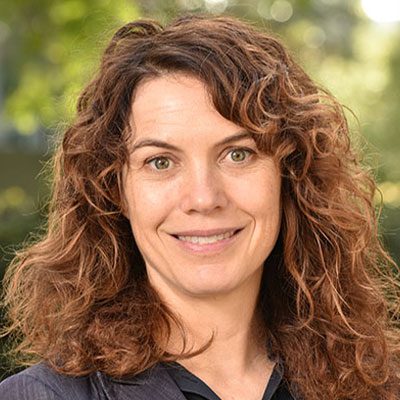
Amy Catherine Rowat is a full Professor in the Department of Integrative Biology and Physiology at UCLA's College of Letters and Science. She directs an interdisciplinary research program that integrates mechanobiology, microfluidics, cancer biophysics and food engineering to understand how physical forces shape cell behavior and to develop sustainable biotechnologies. Education & Affiliations: Professor, Department of Integrative Biology and Physiology, UCLA Member, UCLA College of Letters and Science Research Interests: Rowat's group deciphers how mechanical properties of cells and their nuclei influence disease progression and therapeutic response. Using high-throughput microfluidic deformability cytometry, her team discovered that cancer cells become stiffer and more invasive upon β-adrenergic signaling, linking stress hormones to metastatic potential. Parallel efforts focus on nuclear envelope mechanics, showing that histone H1.0 and transient nuclear deformation modulate chromatin structure and cell reprogramming. Beyond biomedicine, Rowat pioneers biophysical approaches for sustainable food production. She engineers edible scaffolds and emulsion-templated microcarriers to culture meat at scale, demonstrating spontaneous fusion of adipogenic and myogenic microtissues into marbled steak-like constructs. Recent Article Trends (2020-2025): Her latest publications reveal a cohesive trajectory: coupling mechanobiology to epigenetic regulation (viscoelastic matrix enhances chromatin remodeling), advancing single-cell mechanical phenotyping (optomagnetic arrays, high-throughput screens), translating findings to cancer therapy (β-blockers to sensitize chemotherapy) and expanding engineered foods (scalable cultured-meat bioprocessing). Funding & Awards: NIH R21 CA245667 (PI) – Repurposing beta-blockers to improve chemotherapy response (2021-2023) Laboratory & Teams: Rowat leads an active research laboratory at UCLA that trains graduate students and postdocs at the intersection of physics, engineering and biology. The lab maintains collaborations across UCLA Engineering, Jonsson Comprehensive Cancer Center, and external partners in food science and biotechnology companies.
Stelios Andreadis is the SUNY Distinguished Professor of Chemical and Biological Engineering at the University at Buffalo, affiliated with the School of Engineering and Applied Sciences. He directs the Cell, Gene and Tissue Engineering Center and previously led the Stem Cells in Regenerative Medicine (SCiRM) Training Program. His research focuses on stem cell bioengineering, vascular and gland tissue engineering, and biomaterials design. He holds a PhD in Chemical Engineering from the University of Michigan and has been funded by NIH, NSF, and NYSTEM, totaling over $20M. His awards include the NSF CAREER Award, SUNY Chancellor’s Excellence in Scholarship, and AIMBE and BMES Fellowships. Research interests span stem cell rejuvenation, cell-free vascular grafts, and metabolic reprogramming. He has published 140+ papers and advised 28 PhD students, many now in academia or industry. His lab co-founded Angiograft, LLC to commercialize vascular grafts. Key achievements include developing self-healing vascular grafts and demonstrating monocyte recruitment for vascular regeneration. His work bridges basic science and clinical applications in regenerative medicine.
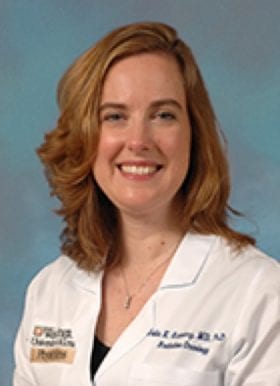
Julie K. Schwarz, MD, PhD, FASTRO is a tenured Professor of Radiation Oncology at Washington University School of Medicine, where she serves as Vice-Chair of Research and Director of the Cancer Biology Division. She also holds appointments as Professor of Cell Biology and Physiology and is affiliated with the Roy and Diana Vagelos Division of Biology & Biomedical Sciences, specifically within the Cancer Biology and Molecular Cell Biology programs. Dr. Schwarz is a key member of the Siteman Cancer Center and co-leads one of only five centers comprising the NIH's Radiation Oncology-Biology Integration Network (ROBIN). Dr. Schwarz completed her BS in Biology at Duke University (1995) followed by an MD/PhD in Cell and Molecular Biology at Washington University School of Medicine (2004) through the Medical Scientist Training Program. She completed her Internal Medicine internship (2005) and Radiation Oncology residency (2009) at Barnes-Jewish Hospital, becoming board-certified by the American Board of Radiology in Radiation Oncology (2010). Her research program focuses on translational studies of gynecologic cancers, particularly cervical cancer, with emphasis on tumor metabolism, biomarker discovery, and treatment resistance mechanisms. Dr. Schwarz's laboratory maintains one of the largest tumor repositories for cervical cancer, which includes specimens collected before and during chemoradiation treatment. Her work has demonstrated the critical role of pretreatment and post-treatment FDG-PET scanning for cervical cancer patients and has identified alterations in PI3K/Akt pathway genes associated with treatment response. Recent research directions include studying obesity's paradoxical favorable impact on cervical cancer outcomes, glucose and glutamine metabolism as targets for cancer therapy, and the role of tumor immunology in therapy resistance. Analysis of Dr. Schwarz's most recent publications reveals a strong focus on cervical cancer biology, tumor metabolism, and novel therapeutic approaches. Her work integrates clinical data with laboratory research to identify biomarkers and develop improved treatment strategies. Current research emphasizes the interface between tumor metabolism, the microenvironment, and response to therapy, with particular attention to HPV-related cancers, tumor imaging, and metabolic targets for radiosensitization. Fellow of American Society for Radiation Oncology (ASTRO) (2024) Danforth WashU Physician-Scientist Scholar Award (2024) Elected into American Society for Clinical Investigation (2022) Michael Fry Research Award for Outstanding Junior Investigator: Radiation Research Society (2012) Fellow: National Cancer Care Network (2008) RSNA Roentgen Resident/Fellow Research Award (2008) As a dedicated mentor, Dr. Schwarz has guided numerous trainees across all levels including undergraduates, graduate students, medical students, residents, fellows, and postdoctoral researchers. Her Schwarz Lab is highly collaborative and actively recruits students and researchers, with recent successes including Leahan Castillo receiving an Honorable Mention at AACR and Brett Tortelli developing significant research on the vaginal microbiome's relationship to cervical cancer treatment response. Dr. Schwarz is R01-funded and leads multiple research projects, including work on the TARGET Center which focuses on understanding the biologic effects of radiation therapy in cancer treatment. She actively participates in national organizations including the ASTRO/NCI Radiobiology Consensus Workshop, AACR Radiation Oncology Think Tank, and the ASTRO Community of Radiation Oncology Physician Scientists. Dr. Schwarz directs the Schwarz Lab, which is growing and actively recruiting postdocs, staff scientists, and graduate students. The lab employs a multidisciplinary approach combining well-annotated clinical databases, prospectively collected patient tumor banks, and state-of-the-art sequencing technologies. Current research directions include single-cell sequencing approaches to study treatment effects on tumor cells and immune cells within the tumor microenvironment, glucose and glutamine metabolism as targets for cancer therapy, and targeting myeloid-derived cells to improve anti-tumor immunity. The lab is highly collaborative and studies multiple tumor types including cervical, pancreatic, and ovarian cancers.
Dr. Marco Conti is the Fred Gellert Endowed Professor at the University of California San Francisco (UCSF) School of Medicine, where he serves in the Department of Obstetrics, Gynecology and Reproductive Sciences. He previously directed the Center for Reproductive Sciences at UCSF, a leading institution in reproductive biology research. Dr. Conti received his M.D. from the University of Rome School of Medicine in 1974, followed by postdoctoral training in Reproductive Biology at the same institution (1974-75) and Endocrinology at the National Institutes of Health in Bethesda, MD (1975-77). His research career spans over four decades with significant contributions to understanding oocyte development and reproductive biology. Dr. Conti's research program focuses on signal transduction pathways required for germ cell development, particularly those controlling oocyte meiotic maturation and developmental competence. His lab has identified critical signals arising in somatic cells during ovulation that establish oocyte developmental competence. The research examines how disruption of these pathways affects maternal mRNA translation patterns into proteins critical for nuclear reprogramming and early embryo development. This work has significant implications for stem cell research, understanding mechanisms controlling cell replication during preimplantation development, and developing embryonic stem cells into artificial gametes. Additional research interests include fertility preservation for cancer patients. Analysis of Dr. Conti's publication record reveals a consistent focus on reproductive biology with particular emphasis on cAMP signaling pathways, phosphodiesterases, mRNA translation regulation, and oocyte maturation. His work shows progression from foundational studies on cAMP-specific phosphodiesterases in the 1990s to more recent sophisticated analyses of maternal mRNA translation programs using single-cell approaches and multi-omics techniques. The research demonstrates increasing complexity in methodology while maintaining focus on fundamental questions of oocyte developmental competence. International Fogarty Fellow (1975-77) Phi Beta Kappa Teaching Excellence Award (2000) Sandler Foundation Senior Investigator Award (2001) Society for the Study of Reproduction Research Award (2003) Board of Directors Society for the Study of Reproduction (2006) Dr. Conti has mentored numerous researchers in reproductive biology and has been instrumental in establishing genetic models to study oocyte developmental competence. His laboratory work has significant translational potential for improving assisted reproductive technologies and understanding age-related declines in fertility. The Center for Reproductive Sciences at UCSF, which he previously directed, serves as a hub for interdisciplinary research connecting basic science discoveries with clinical applications in reproductive medicine.
Paul W Burridge, PhD is an Associate Professor in the Department of Pharmacology at Northwestern University's Feinberg School of Medicine and a founding faculty member of the Center for Pharmacogenomics. His laboratory specializes in human induced pluripotent stem cell (hiPSC) modeling for pharmacogenomics and cardio-oncology research. Dr. Burridge's research focuses on understanding how genomic variation influences drug efficacy and toxicity, particularly in cancer therapy-induced cardiovascular complications. His lab pioneered several key methodologies including the first directed cardiac differentiation protocol, non-integrating blood-to-iPSC reprogramming, and chemically defined differentiation protocols. Current projects span cardio-oncology, arrhythmia mechanisms, regenerative medicine, hiPSC models of breast cancer, and cultivated meat applications. Analysis of his 15 most recent publications reveals a strong emphasis on pharmacogenomics of anthracycline cardiotoxicity, with significant focus on genomic risk prediction in childhood cancer survivors, molecular mechanisms of cardiotoxicity, and development of cardioprotective strategies. His work increasingly integrates large-scale genomic analysis with hiPSC modeling to establish causal relationships between genetic variants and clinical outcomes. Fellow of American Heart Association (2016) Recipient of NCI R01 grant for Nilotinib Induced Artery Disease research NIH NHLBI Pathway to Independence Award recipient Editorial Board Member, Journal of Molecular and Cellular Cardiology (2020-present) Associate Editor, JACC CardioOncology (2018-present) Dr. Burridge advises multiple postdoctoral fellows including Ning Ge (cardiac arrhythmia modeling), Praeploy Pongpamorn (chemically defined differentiation), Nnamdi Uche (population-specific doxorubicin susceptibility), and George Gibbons. His lab has secured substantial grant funding for projects including large-scale hiPSC production, cardiotoxicity screening platforms, and novel drug discovery initiatives. The Burridge lab maintains extensive resources including high-throughput screening systems, CRISPR editing platforms, and bioreactor-based differentiation systems, all developed with a focus on eliminating animal-derived products from research.
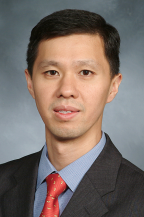
James C. Lo, M.D., Ph.D., is the Rohr Family Clinical Scholar and Associate Professor of Medicine at Weill Cornell Medical College . As a physician-scientist, he directs a basic research laboratory investigating the molecular basis of cardiometabolic diseases. 2023 : Rohr Family Clinical Scholar 2023 : Associate Professor of Medicine, Weill Cornell Medical College 2021 : Assistant Professor of Medicine, Weill Cornell Medical College Education: 2006 - M.D., University of Chicago Pritzker School of Medicine 2004 - Ph.D., University of Chicago 1998 - B.S., University of Chicago Dr. Lo's research focuses on molecular mechanisms of metabolic diseases with emphasis on: Cardiovascular biology in diabetes and obesity Adipose tissue function and thermogenesis Pancreatic islet physiology in metabolic stress Inter-organ communication networks Novel therapeutic targets for diabetes Cardiac complications in metabolic disorders Complement system in endocrine regulation His lab employs single-cell RNA-seq , genetic models , and multi-omics approaches to study: β cell subpopulations in diabetes Complement receptor signaling Adipose-liver-heart cross-talk Extracellular vesicle-mediated dysfunction Sex-dependent metabolic regulation Scientific Contributions: First to identify adipsin's role in β cell protection Discovered complement system's role in islet function Defined adipose tissue as SARS-CoV-2 target Elucidated mechanisms of obesity-induced arrhythmias Developed cross-species models of metabolic stress Research Funding: Currently holds 8 major grants as Principal Investigator or Key Personnel, including: $2.1M - NIH/NHLBI Mechanisms of Obesity-induced Atrial Fibrillation (2025-2028) $2.8M - NIH/NIDDK NAD+ Metabolism in β Cell Dysfunction (2025-2030) $1.5M - AHA Obesity-Driven Atrial Fibrillation (2024-2027) $1.2M - AHA Zebrafish Heart Regeneration (2023-2026) His laboratory team at the Belfer Research Building (New York, NY) includes post-doctoral fellows, Ph.D. students, medical students, and research technicians working in a collaborative environment.
Edward B. Thorp serves as the Frederick Robert Zeit Professor of Pathology at Northwestern University's Feinberg School of Medicine, where he leads research in experimental pathology with a focus on immunobiology and inflammation in cardiovascular systems. His work bridges basic science and clinical applications through translational research. Education PhD: Loyola University Chicago (2004) Postdoctoral Fellow: Columbia University, Molecular Biology (2008) Research Focus Dr. Thorp's laboratory investigates immune mechanisms in cardiovascular diseases, specializing in macrophage and neutrophil dynamics during cardiac injury, transplantation, and inflammatory conditions. His team employs advanced spatial immunology techniques to uncover how immune cell metabolism influences heart failure, transplant rejection, and vascular inflammation, with particular emphasis on efferocytosis pathways and tissue repair mechanisms. Publication Trends His 2024-2025 publications reveal a concentrated exploration of immune cell behavior across cardiovascular and gastrointestinal contexts. Key themes include metabolic reprogramming of myeloid cells in heart failure, spatial organization of neutrophils in inflamed tissues, and receptor-mediated pathways in transplant tolerance. These studies consistently integrate molecular biology with clinical outcomes, demonstrating translational potential for therapeutic interventions. Awards Dean's Teaching Award, Feinberg School of Medicine (2024) APS Cardiovascular Section Fellow, American Physiological Society (2018) Fellow of the American Heart Association (FAHA) (2014) Professional Activities Dr. Thorp directs an active research laboratory while serving on editorial boards for Circulation Research (2015-present) and ATVB (2023-present), and as Consulting Editor for JCI (2024-present). His research is supported through affiliations with Northwestern's Center for Human Immunobiology and Comprehensive Transplant Center, with recent leadership in a $15 million AHA inflammation initiative. Research Infrastructure The Thorp Lab (thorplab.com) operates within Northwestern's pathology department with access to core facilities across multiple institutes, including NUCATS for clinical translation and the Simpson Querrey Institute for epigenetics research. His team collaborates extensively with cardiologists and transplant specialists through the Robert H. Lurie Cancer Center and diabetes metabolism center.
Leslie B. Poole serves as Professor in the Department of Biochemistry at Wake Forest School of Medicine, Wake Forest University, where she has been faculty since 1992. She holds leadership roles as Director of the Center for Structural Biology and Co-Director of the Center for Redox Biology & Medicine, contributing significantly to institutional research infrastructure and scientific community engagement. Her educational background includes: B.A. in Biology & Chemistry, Wake Forest University (1980) Ph.D. in Biochemistry, Wake Forest University (1988) Postdoctoral Fellowship, University of Maryland-College Park (1988-1991) Dr. Poole is an internationally recognized expert in redox biology , specializing in oxidation/reduction control of protein and enzyme function. Her pioneering work defined the chemistry of biological thiol redox reactions and established hydrogen peroxide as a critical signaling molecule. Her research bridges biochemistry , cancer biology , and translational medicine , with applications in developing novel therapeutics and diagnostic tools for oxidative stress-related diseases. Current investigations focus on redox regulation in cancer progression, cardiotoxicity of chemotherapeutics, and mitochondrial oxidative stress mechanisms. Analysis of her recent publications (2022-2025) reveals persistent emphasis on peroxiredoxin function, protein sulfenylation detection, and redox-mediated signaling in cancer and inflammation. Key trends include therapeutic targeting of redox vulnerabilities in KRAS-mutant cancers, mitochondrial redox control of immune responses, and innovative approaches to mitigate chemotherapy-induced cardiotoxicity through redox modulation. Her scientific recognition includes: 2024 WFU Friends of Chemistry Distinguished Alumni Award Dr. Poole has secured over $16 million in extramural funding (94% from NIH), demonstrating exceptional grant-writing success. She has mentored numerous graduate students and postdoctoral fellows while leading collaborative research initiatives. Her administrative contributions span university committees including safety oversight and Women in Medicine & Science advocacy. She directs the Center for Structural Biology and co-directs the Center for Redox Biology & Medicine, where her team develops redox-based detection technologies including the patented platform commercialized through Xoder Tech, LLC, a Women Owned Small Business she co-founded.
Jennifer K. Lang, MD is an Associate Professor in the Department of Medicine at the Jacobs School of Medicine & Biomedical Sciences, University at Buffalo. She is a clinician-scientist specializing in cardiology, with a focus on developing stem cell-based therapies for cardiovascular diseases. Her research explores extracellular vesicles' role in cardiac repair and modulating stem cell secreted factors. Dr. Lang also holds adjunct faculty positions in Biomedical Engineering and Pharmacology/Toxicology and actively mentors students and trainees in her lab. Education & Training: BS in Molecular & Cellular Biology and Neurobiology, Cornell University (2003) MD, University at Buffalo School of Medicine (2009) Residency in Internal Medicine (2012) Fellowship in Cardiology (2015) Research Interests: Dr. Lang's work centers on cardiovascular stem cell therapy, particularly leveraging exosomes for cell-free treatments. She investigates mechanisms of myocardial infarction recovery, macrophage polarization, and the therapeutic potential of engineered extracellular vesicles. Her lab employs cutting-edge techniques in cell engineering and 3D printing of biocompatible models. Grants & Funding: VA Grant: "Enhancing the translational potential of therapeutic exosomes for ischemic heart disease" ($709,818) NHLBI Grant: "Current challenges and future directions for engineering extracellular vesicles" Professional Activities: Councilor, New York State Chapter of the American College of Cardiology Research Director, Cardiovascular Disease Fellowship Program Reviewer for NHLBI, NIH, and multiple journals including FASEB Journal and PLOS One Labs & Teams: Her laboratory focuses on translational cardiovascular research, collaborating with biomedical engineers and pharmacologists to advance exosome-based therapies.
Glynnis Garry, M.D., is an Assistant Professor in the Department of Internal Medicine at UT Southwestern Medical Center and a member of its Division of Cardiology. She holds a secondary appointment in the Department of Molecular Biology and the Center for Regenerative Science and Medicine. Education: Bachelor's Degree, University of Notre Dame Medical Degree, Vanderbilt University School of Medicine (Alpha Omega Alpha) Molecular Biology Training, UT Southwestern (Eric Olson Lab) Residency and Fellowship, UT Southwestern's Physician-Scientist Training Program Dr. Garry's research focuses on developing therapies for heart failure and myocardial infarction through transcriptional and epigenetic control of cardiac cell fate, particularly direct fibroblast-to-cardiomyocyte reprogramming. Her work includes NIH-funded studies on cardiac super enhancers, chromatin dynamics, and genome-wide cardiogenic enhancer activation. Her publications highlight advancements in cardiac regeneration, epigenetic mechanisms, and genetic models of muscle disease. Articles span topics from histone reader interactions to Twist2-dependent muscle progenitors and Sarnoff fellowship-funded research. Scientific Awards: Louis N. and Arnold M. Katz Basic Science Research Prize (2020) Melvin L. Marcus Early Career Investigator Award (2023) Burroughs Wellcome Fund Career Award for Medical Scientists Donald W. Seldin Research Scholar Astra-Zeneca Northwestern Cardiovascular Young Investigator Award Dr. Garry contributes to the field through her roles in the Division of Cardiology and Center for Regenerative Science and Medicine at UT Southwestern. She actively participates in professional societies such as the American Heart Association and the International Society for Heart Research.
Hao Wu, PhD is an Associate Professor of Genetics at the University of Pennsylvania's Perelman School of Medicine. He is a Core member of the Penn Epigenetics Institute, Member of the Penn Cardiovascular Institute (CVI), Member of the Penn Institute of Regenerative Medicine (IRM), and Member of the CHOP Center for Mitochondrial and Epigenomic Medicine (CMEM). His educational background includes: B.S. in Biological Sciences and Biotechnology from Tsinghua University (2002) Ph.D. in Epigenetic regulation of neural stem cell differentiation from University of California Los Angeles (2009) Dr. Wu's research focuses on understanding how epigenetic processes regulate gene expression to establish diverse cell types and respond to environmental signals. His lab combines experimental approaches with bioinformatics to study cell-type specification and maturation from mammalian stem cells, particularly in cardiovascular and neural lineages. The Wu lab investigates molecular mechanisms regulating the interaction between environment and epigenome, and how extrinsic signals modify epigenetic marks to influence development or disease. Their long-term goal is to quantitatively analyze and engineer cell-type specific epigenomes to inform therapeutic approaches for human diseases. Analysis of Dr. Wu's recent publications reveals a strong focus on single-cell and spatial multiomic technologies to investigate epigenetic regulation. His work spans cardiovascular biology, neuroscience, and stem cell biology, with emphasis on DNA methylation/demethylation, transcriptional control, and development of novel genomic sequencing methods. Recent publications highlight advances in single-cell epigenomic profiling, time-resolved RNA sequencing, and their application to neural development, cardiac maturation, and disease mechanisms. As a mentor, Dr. Wu oversees a diverse research group including postdoctoral fellows, graduate students, research specialists, and undergraduates. His lab members work on various projects related to epigenomic profiling, epigenome editing, and single-cell technologies. Dr. Wu's research is supported by grants enabling the development of innovative genomic technologies and their application to understand fundamental biological processes. The Wu Lab maintains a collaborative environment focused on developing high-precision single-cell epigenomic profiling methods, novel epigenome editing tools, and time-resolved single-cell RNA sequencing approaches. Current projects investigate neural development, cardiac lineage specification, and the environment-epigenome interaction, bridging fundamental epigenetic mechanisms with translational applications.
Veronique Lacombe is a Professor in the Department of Physiological Sciences at Oklahoma State University's College of Veterinary Medicine. She also holds adjunct professor positions in the Department of Biochemistry and Molecular Biology at Oklahoma State University and in the Department of Physiology at the University of Oklahoma Health Sciences Center. Dr. Lacombe serves as Vice-Chair of the Graduate Council at Oklahoma State University and directs the Comparative Metabolism Research Laboratory. Dr. Lacombe earned her DVM from the National Veterinary School of Maisons-Alfort near Paris, France, followed by a residency in large animal internal medicine at The Ohio State University College of Veterinary Medicine. She completed her PhD in Comparative Exercise Physiology at The Ohio State University and a postdoctoral fellowship at the College of Pharmacy. She is a Diplomate of both the American College of Veterinary Internal Medicine (Large Animal) and the European College of Equine Internal Medicine. Her research focuses on glucose metabolism, particularly examining how diabetes and viral infections affect glucose transport mechanisms in various tissues. Her laboratory investigates the relationship between insulin sensitivity and cardiac function, equine metabolic syndrome, and the impact of viral infections like influenza and SARS-CoV-2 on whole-body glucose homeostasis. She has made significant contributions to understanding the role of glucose transporters (GLUTs) in the lung, heart, and other tissues during disease states. Analysis of her recent publications reveals a strong trend toward translational research connecting basic metabolic mechanisms with clinical outcomes. Her work spans multiple disciplines including veterinary medicine, human diabetes research, virology, and cardiovascular physiology, with a particular emphasis on the One Health approach that connects animal and human health. Her research demonstrates how metabolic alterations during diabetes increase susceptibility to respiratory infections and how viral infections themselves can reprogram host metabolism. Oklahoma Center for Respiratory and Infectious Diseases (NIH-funded CoBRE) One Health Collaborative Seed Grant Program Oklahoma Center for the Advancement of Science and Technology (OCAST) American Heart Association National Center for Advancing Translational Sciences Dr. Lacombe actively mentors graduate students through PhD Research and Dissertation courses and teaches Pharmacology I. Her Comparative Metabolism Research Laboratory employs innovative approaches including euglycemic-hyperinsulinemic clamps, proteomic analyses, and specialized techniques for measuring glucose transporter translocation to investigate metabolic pathways in both animal models and clinical settings. Her research has important implications for understanding and treating metabolic complications in both human and veterinary medicine.
Steven S. Gross is Professor of Pharmacology at Weill Cornell Medicine and a key faculty member in the Graduate School of Medical Sciences. He leads a research laboratory focused on nitric oxide (NO) signaling and directs the Mass Spectrometry Core Facility, underscoring his dual role in research and institutional infrastructure. His work bridges pharmacology, biochemistry, and cellular signaling, with significant contributions to understanding NO in vascular regulation and disease. Dr. Gross earned his Ph.D. in Biomedical Science from Mount Sinai School of Medicine. His research interests include nitric oxide signaling, molecular pharmacology, cellular regulation, vascular biology, and metabolic pathways. His lab investigates the synthesis and action of NO, its role in septic shock, and the development of NO-based therapeutics, leading to the founding of ArgiNOx Inc. His recent publications reveal a strong trend in cancer metabolism, redox signaling, and gene-environment interactions, with high-impact work on vitamin C in KRAS-mutant cancers, fructose and tumor growth, and epigenetic regulation by TET1. These studies span molecular oncology, metabolomics, and bioinformatics, often involving interdisciplinary collaborations. Active member of NIH Study Sections Founder and Board Director, Nitric Oxide Society Author of over 90 research papers and 40 book chapters Dr. Gross actively mentors graduate students, including Tal Nuriel, Alex Hansler, Pamela Wille, Qiuying Chen, and Yuliang Ma. His lab is central to research on NO biology and mass spectrometry applications. He has no listed scientific awards in the provided texts, but his sustained publication record and leadership roles indicate significant scientific impact.
Jianyi Zhang is a tenured Professor and Chair of the Department of Biomedical Engineering at the University of Alabama at Birmingham (UAB), a joint department between the School of Medicine and School of Engineering. He holds dual appointments in Medicine and Biomedical Engineering and has led UAB's BME department since 2015 after a national search. Education: M.D., Shanghai Medical University (1983) M.S., Tufts University (1987) Certificate of Business Administration, Tufts University (1987) Ph.D., University of Minnesota (1992) Research Interests focus on myocardial bioenergetics , cardiac tissue engineering , heart failure , biomaterials , and stem cell therapies . His lab has trained over 60 researchers, including 11 Ph.D. candidates, and he currently advises 5 doctoral students in Biomedical Engineering, Pathology, and Electrical Engineering. Publications emphasize ultra-high field MRI , cardiac regenerative therapies , and stem cell-derived tissue engineering , with recent work on 3D cardiac spheroids , RF antenna arrays , and AI-driven cardiac repair strategies . Honors and Awards: George E. Brown Memorial Lectureship (2014 AHA) Established Investigator Award (AHA, 1996) NIH First Award (1993)
Angela Mathison, PhD, is an Associate Professor in the Department of Surgery at the Medical College of Wisconsin, with secondary affiliation to the Mellowes Center for Genomic Sciences and Precision Medicine. She holds leadership roles as Director of 'Omics Research and Development and Associate Director for Operations and Academic Relationships. Her academic journey includes postgraduate training at Mayo Clinic and faculty promotion from Assistant to Associate Professor in 2025. Dr. Mathison's research focuses on genomic mechanisms in disease pathogenesis , particularly in pancreatic cancer, epigenetics, and precision medicine. Her work integrates computational biology with experimental approaches to investigate chromatin remodeling, transcriptional regulation, and therapeutic targeting of oncogenic pathways. Key interests include KRAS-driven carcinogenesis, epigenetic modifiers like EZH2/EHMT2, and radiation response mechanisms. Her recent publications demonstrate strong emphasis on translational bioinformatics , with consistent themes in: 1) Structural characterization of cancer-associated genomic variants, 2) Epigenetic regulation of tumor microenvironments, 3) Radiation-immune interactions in oncology, and 4) Computational drug repositioning strategies. The work frequently employs multi-omics integration across pancreatic, head/neck, and liver pathologies. Awards include: Poster of Distinction, American Pancreatic Association (2014) Best Faculty Poster Award, CTSI SEAWINDS Symposium (2024) She mentors numerous trainees and leads NIH-funded projects: Co-I on NIH R01: 'Targeting Epigenomic Regulators at the Replication Fork in PDAC' (2021-2026) PI on AHW grants: 'Epigenetic Alterations in Gender-Affirming Care' (2025) and 'Rare Disease Systems Biology' (2024) Dr. Mathison directs the 'Omics Research Development Core and co-leads the Precision Medicine Education Program. She serves on multiple institutional committees including the Institutional Biosafety Committee and VBRI's Scientific Advisory Committee.