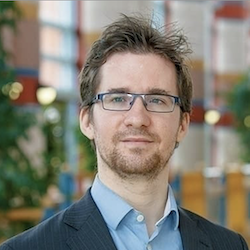
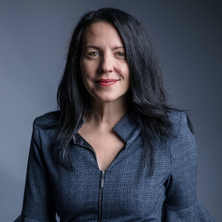
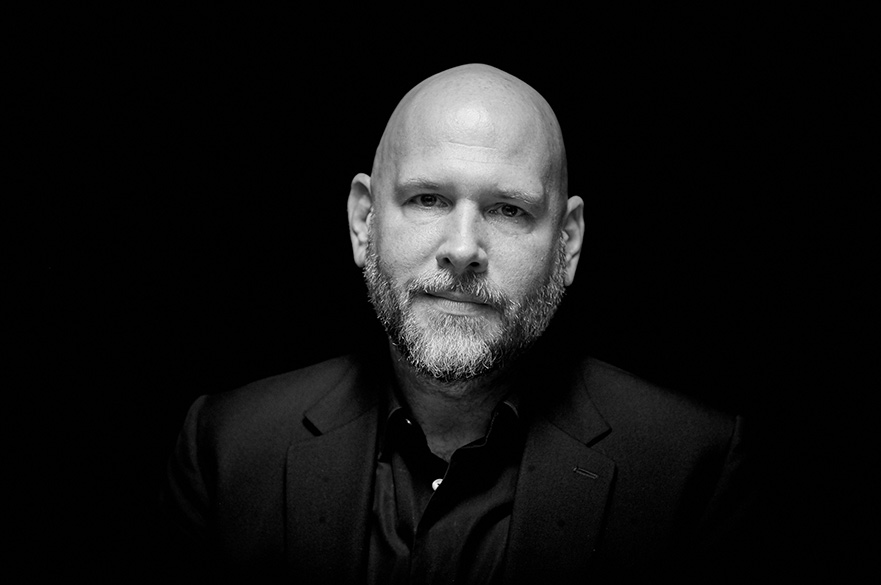
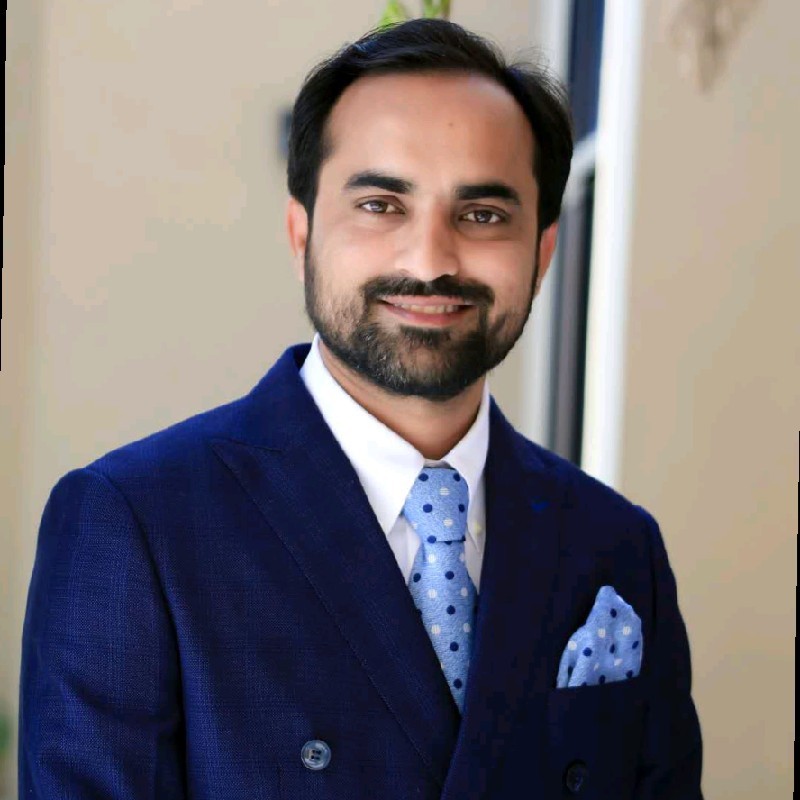
Christina Antonie Reh is a Lecturer at the Lucerne School of Business (HSLU), affiliated with the Institute of Communication and Marketing (IKM MM). Her roles include academic teaching and research in digital marketing and sustainability. She holds a PhD from WHU - Otto Beisheim School of Management and has professional experience in data science and marketing at companies like LOréal and SevenVentures. Education: PhD (tbc 2024), WHU; M.Sc. (2016), LMU Munich; B.Sc. (2013), LMU Munich Her research focuses on digital marketing effectiveness , sustainability in advertising , and consumer behavior . Notable projects include studies on long-term brand equity and sustainable product messaging. Recent work explores the impact of climate pledges on consumer trust. Publications highlight her contributions to media measurement modeling and online coupon strategies. Key awards include the Amazon Research Awards (ARA 2023) and MassChallenge recognition (2024). Advising: No formal students listed; however, co-founded baybies GmbH and Aiko Pet Foods GmbH. Grants: $28,000+ from Amazon Research Awards. Labs/Teams: Co-founder of startups baybies and Aiko Pet Foods, focusing on sustainable consumer products and pet food innovation.
David Stillwell serves as Professor of Computational Social Science at Cambridge Judge Business School and Academic Director of The Psychometrics Centre, University of Cambridge. His research leverages big data to understand human psychology and behavior, with significant contributions in personality prediction from digital footprints and personalized advertising applications. His educational background includes: BSc in Psychology from the University of Nottingham (2007) MSc in Research Methods from the University of Nottingham (2008) PhD in Decision Making from the University of Nottingham (2012) Dr. Stillwell's research centers on computational social science and psychometrics, pioneering the myPersonality Facebook application that collected data from over 6 million users. His work demonstrates computers can predict personality as accurately as spouses, reveals psychological targeting's advertising effectiveness, and establishes links between personality-matched spending and life satisfaction. He also explores linguistic honesty markers through profanity analysis and personality-based dating patterns. His recent publications (2019-2025) reveal a strong trajectory toward AI evaluation using psychometric frameworks, particularly in medical and general-purpose AI assessment. Key themes include fairness metrics in language models, crisis emotional responses through social media, and computational personality recognition - demonstrating consistent innovation at the psychology-technology intersection. He has received significant recognition: Top 10 most influential papers of 2013 by Altmetric Nieman Journalism Lab highlight of 2013 Named in 'top 30 thinkers under 30' by Pacific Standard Magazine Dr. Stillwell maintains active industry engagement through consultancy with Barclays, Hilton, and Ubisoft on projects spanning computer-adaptive testing systems to interactive experiences like Predictive World for Watch Dogs 2. His policy impact is substantial, with citations by the European Data Protection Supervisor, World Bank, and multiple national governments, leading to speaking engagements at the European Parliament and Bank of England. As Academic Director of The Psychometrics Centre, he leads a global hub for advancing psychological assessment through innovative methods including Concerto open-source software, collaborating with organizations ranging from the European Commission to major corporations on psychometric applications in people analytics and digital behavior.
Darren Dahl is a Professor at the University of British Columbia (UBC) Sauder School of Business , holding the RBC Financial Group Professor of Entrepreneurship chair. His research focuses on new product development , creativity , consumer emotions , social influence , and social marketing . Education: BCom from the University of Alberta, PhD from UBC Leadership: Dean of the Sauder School of Business Research Trends: Recent work emphasizes innovation strategies , consumer identity dynamics , ethical marketing , and social impact . He explores how organizational structures influence perceptions, the role of identity in consumption, and the psychological drivers of prosocial behavior. Contact: Office HA 769, Tel: 604-822-8556, Email: darren.dahl@sauder.ubc.ca
Dr Maria Bada is a Lecturer in Cyberpsychology at the School of Biological and Behavioural Sciences, Queen Mary University of London. She is an active researcher in the field of cyberpsychology with a specific focus on the human element of cybersecurity. Dr Bada is also a member of the committee of the Artificial Intelligence, Ethics and Society Group at QMUL. Dr Bada's research spans multiple critical areas in cyberpsychology and cybersecurity. Her primary research interests include: The effectiveness of cybersecurity awareness campaigns and factors leading to their success or failure in changing information security behavior Development of prevention activities to enhance the resilience of Small and Medium Enterprises (SMEs) against cybercrime Cybersecurity awareness initiatives for school learners in South Africa and the UK Youth delinquency and interventions to prevent cybercrime, in collaboration with the National Crime Agency and Home Office Social and psychological impacts of cyber-attacks on vulnerable groups Exploration of the cybercrime ecosystem, including cybercriminal profiles, pathways, and risk perceptions Dr Bada's publication record demonstrates a consistent focus on the intersection of psychology and cybersecurity. Her recent work shows increasing specialization in SME cybersecurity challenges, ethical considerations in security behavior change, and the psychological impacts of cybercrime on individuals and organizations. She frequently collaborates with researchers from diverse disciplines including computer science, criminology, and healthcare, reflecting the interdisciplinary nature of her work. Dr Bada has secured significant research funding for her work, including: "Enhancing national cyber resilience via SME cyber security and digital responsibility" (£328,119 from EPSRC, 2023-2026) "REPHRAIN: Supporting organisations in making effective privacy related decisions" (£50,801 from EPSRC, 2022-2023) "Assessing Organisational DSbD Awareness and Readiness" (£15,554 from ESRC, 2022-2024) She works closely with research staff including Dr Matthew Rand and collaborates with various UK government agencies including the National Crime Agency and Home Office on cybercrime prevention initiatives.
Associate Professor Nicole Hartley serves as MBA Director at UQ Business School and Future of Health Research Hub Lead at The University of Queensland. With 19 years of academic experience across institutions in Sydney and Queensland, she holds appointments across multiple faculties including Business, Economics and Law; Health, Medicine and Behavioural Sciences; and Engineering, Architecture and Information Technology. Her academic affiliations span the Centre for the Business and Economics of Health, Centre for Enterprise AI, and Queensland Digital Health Centre. Dr. Hartley is an internationally recognized research academic specializing in services marketing and digital technology. Her research interests encompass service technology, virtualized services, customer preference and adoption, new media, service innovation, and corporate digital responsibility. She particularly focuses on customer perceptions in response to technological disruption in service delivery, with special emphasis on healthcare services. Her work bridges business, technology, and healthcare domains, examining how digital transformation affects consumer behavior and service experiences. Her extensive publication record demonstrates consistent research output across multiple disciplines, with recent work concentrating on telehealth implementation, corporate digital responsibility, consumer trust in digital environments, and healthcare service innovation. The interdisciplinary nature of her research connects marketing theory with practical healthcare applications, particularly in the context of digital transformation and service delivery. Dr. Hartley has successfully supervised numerous PhD candidates to completion and currently mentors several doctoral students working on topics ranging from sustainable consumption to healthcare innovation and digital service experiences. Her research has been supported by significant funding from Queensland Health, NHMRC, and other organizations, focusing on telehealth, digital service transformation, and healthcare innovation. As Director of MBA and Executive Education at UQ Business School, Dr. Hartley combines her academic expertise with practical industry experience, having previously worked as Marketing Manager/Director in tourism, education, and communication industries in Australia and the UK. She is an award-winning educator with expertise in marketing strategy, digital media, consumer behavior, and experiential industry-based projects.
Natalie T. Wood, PhD (Auburn University, 2002), is a Professor of Marketing and Associate Dean at Saint Joseph’s University’s Haub School of Business. Her expertise spans consumer behavior and social media marketing, with a focus on digital engagement and virtual environments. PhD, Auburn University (2002) GradDip in Marketing, Edith Cowan University (1999) BBus in Marketing, Edith Cowan University (1996) Her research explores social media’s influence on consumer trends, political marketing, themed hospitality authenticity, and virtual education. Key journals include Journal of Consumer Behaviour and Business Horizons . Recent publications analyze microblogging’s role in customer service and brand promotion. Notable awards: Saint Joseph’s University Faculty Merit Award for Teaching (2013) and Research (2007). Grants from Arrupe Center (2019) and Direct Selling Education Foundation (2010-2011) highlight her funded work. Professional roles include Assistant Director, Center for Consumer Research (2007-2011).
Dr. Alicia Kulczynski is an Associate Professor of Marketing and Head of the Marketing, Tourism & Business Analytics Discipline at the University of Newcastle. She holds a PhD in Management (Marketing) and undergraduate degrees in Forensic Science and Communication Studies. Her research focuses on consumer behavior, branding, and advertising, with emphasis on spokesperson characteristics, psycholinguistics in branding, and music concert attendance. She has published in top-tier journals like the Journal of Marketing and European Journal of Marketing, and was recognized as Associate Editor of the Year (2024) for the Journal of Consumer Behaviour. Her work bridges academia and industry through collaborations with organizations such as the NSW Ombudsman and Ultra Music Festival. Education - PhD in Management (Marketing), University of Newcastle (2014) - Bachelor of Science (Forensic), University of Newcastle - Bachelor of Arts (Communication Studies), University of Newcastle Research Interests - Consumer behavior and decision-making - Branding and brand communication - Advertising strategies and spokesperson effectiveness - Psycholinguistics in brand naming and consumer priming - Music concert attendee behavior and motivations - Cause-related marketing and social impact initiatives Awards - Associate Editor of the Year (2024) - Multiple Best Paper Awards at ANZMAC (2015–2024) - Teaching Excellence Awards (2016–2024) - Industry Collaboration Recognition (e.g., Ultra Music Festival) Grants & Industry Work - Partnered with NSW Ombudsman to develop AI tools for complaint assistance. - Established an Industry Consultative Committee with Pacific Smiles, Newcastle Airport, and HMRI. - Collaborated on diabetes management system market research with a Swedish SME. Teaching & Mentorship - Teaches marketing research courses with industry-linked projects. - Supervised PhD students on topics like AI-driven pricing, post-purchase dissonance, and omnichannel consumer experiences. - Guided students to publish in top journals such as the Journal of Consumer Behaviour and European Journal of Marketing. Labs & Teams - Leads the Marketing, Tourism & Business Analytics Discipline. - Co-founded the Social Marketing Research Team for Youth (SMRTY) initiative.
Dr. Omkar Prabhakar Dastane is a Senior Lecturer and Director of Postgraduate Studies at the Malaysia School of Business, Monash University Malaysia. He holds a PhD in Business from Curtin University and certifications including Certified Management and Business Educator (CMBE) from CABS, UK, and HRDF-approved trainer status in Malaysia. His research focuses on technological impacts on businesses, digital consumer behavior, and customer value perception, with publications in A-ranked journals like the Journal of Retailing and Consumer Services and Asia Pacific Journal of Marketing & Logistics . He has secured MYR 157,549 in research grants and received notable awards like the Best Paper Awards (2017/2018) and Emerald Literati Award (2024). Dr. Dastane has held leadership roles including Head of MBA Programs and Head of Postgraduate Studies at top-tier institutions. He actively contributes to editorial roles for journals like Arab Gulf Journal of Scientific Research and reviews for SSCI/SCIE-indexed publications. His teaching emphasizes strategic branding and services marketing, integrating AR/VR tools for immersive learning. He has also led educational visits across ASEAN countries. His research interests span metaverse applications in business, immersive technologies, and contemporary consumer behavior trends. Recent work explores AI-driven services, live-stream commerce, and digital transformation's role in achieving UN SDGs. He has advised on over 200 research projects and secured multiple teaching grants including the 2025 Learning & Teaching Grant.
Thorsten Chmura is a Professor in the Department of Economics at Nottingham Business School, Nottingham Trent University. His work focuses on experimental and behavioral economics, utilizing laboratory and field experiments to address real-world challenges. He maintains collaborations within NTU’s Applied Economics and Policy Research Group, Public Service Management Research Group, and international partnerships across Europe, China, and the US. Chair of Industrial Economics at University of Nottingham (previous) Director, Centre for Research in the Behavioural Sciences (previous) PhD in Economics and Physics from University of Bonn Research interests span behavioral economics, experimental economics, game theory, and traffic modeling. His work examines decision-making under risk, wage discrimination, and behavioral responses in complex systems. Recent publications explore AVOD streaming economics (2024), social trading herding (2022), and toll road choice dynamics (2014). Key article trends include: Behavioral responses in financial markets Risk attitudes across 30 countries Cultural value impacts on loyalty programs Traffic flow simulations Game theory applications in coordination problems Experimental validation of economic theories
Dr. Shadi Hashem is a Research Fellow at the School of Geosciences, University of Aberdeen. His work bridges behavioural economics, agricultural systems, and sustainable food supply chains, with a focus on promoting environmentally and socially responsible production and consumption practices. His research interests lie at the intersection of Behavioural Economics , Sustainable Agriculture , and Entrepreneurship . He investigates consumer behaviour related to sustainable food choices, examines how supply chain collaboration can improve competitiveness—especially for small-scale and disadvantaged farmers—and explores digital innovations such as blockchain technology and knowledge exchange hubs to enhance transparency and sustainability in agri-food systems. Dr. Hashem is currently contributing to the VISIONARY project, a research initiative aimed at understanding the drivers and barriers to transitioning food systems toward sustainability. This work involves interdisciplinary analysis of policy, economic incentives, technological adoption, and social dynamics across global food supply networks. While no specific scientific awards have been listed, his involvement in high-impact sustainability research demonstrates recognition within the academic community. He has not advised any named students in the provided text, nor are specific grants mentioned, but his participation in large-scale collaborative projects suggests active engagement in funded research. He is part of a research team working on sustainable agri-food systems, likely embedded within a larger research group or center focused on environmental sustainability or food security at the University of Aberdeen. The VISIONARY project indicates collaboration with European partners and stakeholders across the agri-food sector.
Femke van Horen is a Full Professor of Consumer Behavior at the Marketing Department of the School of Business and Economics, Vrije Universiteit Amsterdam. She serves as Scientific Director of the VU Behavioural Lab and Associate Editor for the International Journal of Research in Marketing . Her research focuses on product imitation strategies, environmental uncertainty's impact on consumer decisions, and nudging for sustainability. She co-chaired the 2023 EACR Conference and was a visiting scholar at Stanford University. Education: PhD from Tilburg University (2013), followed by postdoctoral research at the University of Cologne's Social Cognition Lab. Joined VU Amsterdam in 2013. Research Interests: Product Imitation: Effectiveness of copycat strategies and brand evaluation dynamics. Environmental Uncertainty: Consumer decision-making during crises or elections. Sustainability Nudging: Behavioral methods to promote eco-friendly actions. Awards & Grants: AMA Research in Practice Award 2019 (for Out-of-Category Brand Imitation ). IJRM Outstanding Reviewer Award 2023. Grants from ACR/Sheth Foundation, University of Cologne, and others. Advising: Co-supervises two PhD students on sustainability and product imitation, and a postdoc on plant-based meat adoption. Labs & Teams: Leads the VU Behavioural Lab, focusing on interdisciplinary consumer research.
Lynda Gratton is a Professor of Management Practice in Organisational Behaviour at London Business School. She directs the globally renowned program 'Human Resource Strategy in Transforming Companies' and teaches a highly popular elective on the Future of Work, for which she received the 'Excellence in Teaching' award in 2016. She has led the Future of Work Consortium for over a decade, facilitating collaboration among executives from 60+ companies via a bespoke platform. Her research explores the intersection of people and organizations, with key interests in: Corporate culture and organizational learning Strategic management and HR strategy Organisational change dynamics Future of work innovation and hybrid models Longevity's societal impacts Her recent publications demonstrate a consistent focus on workplace evolution, particularly analyzing hybrid work models, AI's human implications, and leadership during disruption. Articles frequently address resilience, technological adaptation, and redefining organizational structures for an uncertain future. Awards & Honors: Thinkers 50 Top 15 Global Thinker Warren Bennis Best Article (2022) CMI Management Book of the Year (2015) FT Business Book shortlist (2017) Tata Prize (India), NAHR Fellowship (US), HR Prize (Australia) She advises global institutions including the World Economic Forum (where she co-chaired the Council on Work, Wages and Job Creation) and served on Japanese Prime Minister Abe's advisory board. She currently contributes to MIT Sloan Management Review and The Times of London. Through the Future of Work Consortium, she leads a major initiative connecting executives worldwide to address workforce transformation challenges, emphasizing collaborative innovation.
Dr. Matteo Montecchi is a Senior Lecturer (Associate Professor) in Marketing at King’s Business School, King’s College London, where he also serves as Theme Lead for Sustainable Consumption at the Centre for Sustainable Business and Programme Director for the Strategic Marketing (Open Executive) programme. He teaches core modules such as Consumer Behaviour, Digital Marketing, and Research Methods, and leads executive education initiatives. Previously, he was a Senior Lecturer at the London College of Fashion, University of the Arts London, and has held visiting positions at Milan Politecnico, Università Cattolica del Sacro Cuore, and Università Federico II. Montecchi earned his PhD in Marketing from King’s College London, an MRes in Marketing from Birkbeck College, an Executive Master in Marketing and Sales from SDA Bocconi and ESADE, and a Bachelor’s in Business Economics from the University of Modena and Reggio Emilia. He also holds a PgCert in Academic Practice and is a Fellow of the Higher Education Academy (FHEA). His research focuses on the digital transformation of marketing, particularly the role of artificial intelligence and blockchain in enhancing transparency and trust. He investigates ethical engagement with diverse consumer groups, inclusion, and corporate responsibility, with a special interest in marginalized communities. His work integrates consumer behavior, digital interactions, and decision-making with technological innovation, offering actionable insights for sustainable and responsible business strategies. The most recent 15 publications reflect a strong trend in AI in retail, brand transparency, consumer trust, ethical data use, voice technologies, and social sustainability. His research spans journals in marketing, psychology, interactive marketing, and business ethics, demonstrating interdisciplinary impact. Scientific Awards: KingsCAT: Capture and Analysis Tool for Social Media Research at King’s College London (2024) – Recognized as part of a collaborative team for advancing digital research infrastructure and media analysis. Montecchi is actively involved in PhD supervision and is accepting new students. He has led research projects using social media analytics (KingsCAT) and has contributed to strategic debates on grand challenges in marketing. His work connects academic research with real-world managerial applications, particularly in digital strategy and ethical innovation. He is a key contributor to interdisciplinary research through tools like KingsCAT, which supports collaborative social media analysis, and his publications often involve co-authorship with experts in data science, psychology, and organizational behavior.
Rahul Varman is a Professor in the Department of Management Sciences at the Indian Institute of Technology Kanpur. He holds a Fellow in Management from IIM Ahmedabad (1994), an M.Tech from IIT Kharagpur (1987), and a B.Tech from Pantnagar (1985). His research focuses on the political economy of corporations, globalization and working classes, and governance of global value chains. His work critically examines corporate power, market structures, and the impact of globalization on labor and society. Professor Varman's approach integrates political economy perspectives with organizational analysis to reveal the underlying power dynamics in contemporary capitalism. Professor Varman's recent publications (2023-2024) analyze the digitalization of education, the political economy of India's telecom industry, corporate governance issues, and the impact of global value chains on labor conditions. His work demonstrates consistent critical engagement with mainstream economic theories, particularly challenging neoliberal assumptions about market efficiency and corporate responsibility. His scholarly contributions appear in journals such as Monthly Review, Economic & Political Weekly, and Aspects of India's Economy, reflecting both academic rigor and engagement with policy-relevant issues. Professor Varman frequently collaborates with researchers like Manali Chakrabarti on studies examining industrial clusters and labor conditions in India. He teaches courses including MBA 611: Organisation Structure & Behaviour, MBA 617: Socio-political & Ethical Environment of Business, MBA 716: Introduction to Corporations, and MBA 717: Governance of Global Value Chains, emphasizing critical perspectives on business and society. Professor Varman is actively involved in social initiatives including Hamara Manch and the IIT Kanpur Citizen's Forum, demonstrating his commitment to connecting academic work with social concerns and public discourse on economic policy and corporate governance.
Dr Wasim Ahmad is a Lecturer in Marketing at the Department of Marketing, Lancaster University Management School (LUMS), having joined the institution in January 2024. His prior academic appointments include Monash University, Florida State University, Teesside University, and Fujian University of Technology, where he conducted research, taught undergraduate/postgraduate modules, and led curriculum development. Education: Ph.D. in Marketing, University of International Business and Economics PostDoc, Florida State University Research Interests: Dr Ahmad investigates consumer behaviour with emphasis on negative emotions (brand hate, betrayal) and extreme responses to brands across cultural contexts. His work spans sustainability-oriented innovation in B2B firms, eco-brand strategy, and cross-cultural CSR implementation—particularly during crises like the pandemic. He employs quantitative methodologies including experimental designs and meta-analysis, frequently examining digital marketing phenomena such as virtual influencers, travel apps, and dark patterns in online interfaces. Publication Trends: His 2023-2025 output reveals concentrated research on brand hate consequences in B2B relationships, sustainability innovation linked to triple-bottom-line performance, and cross-cultural digital behaviour (e.g., social media addiction, travel app usage). Key journals include Journal of Business Research , Industrial Marketing Management , and Annals of Tourism Research , demonstrating interdisciplinary reach across marketing, sustainability, and tourism. Scientific Awards: No specific awards, prizes, or fellowships mentioned in source materials Advising and Grants: Dr Ahmad actively supervises PhD candidates in green marketing topics (product sustainability, eco-brand orientation) using quantitative approaches. He teaches core modules including International Marketing (MKTG101), Strategic Marketing (MKTG301), and Marketing Research (MKTG212). No grant funding details were provided in the directory. Labs and Teams: No dedicated research labs or teams specified in current affiliation Collaborative work evident in B2B sustainability studies with international co-authors