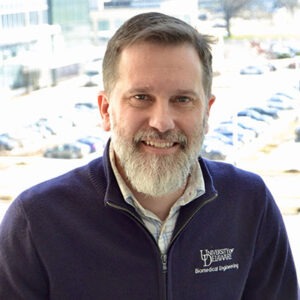
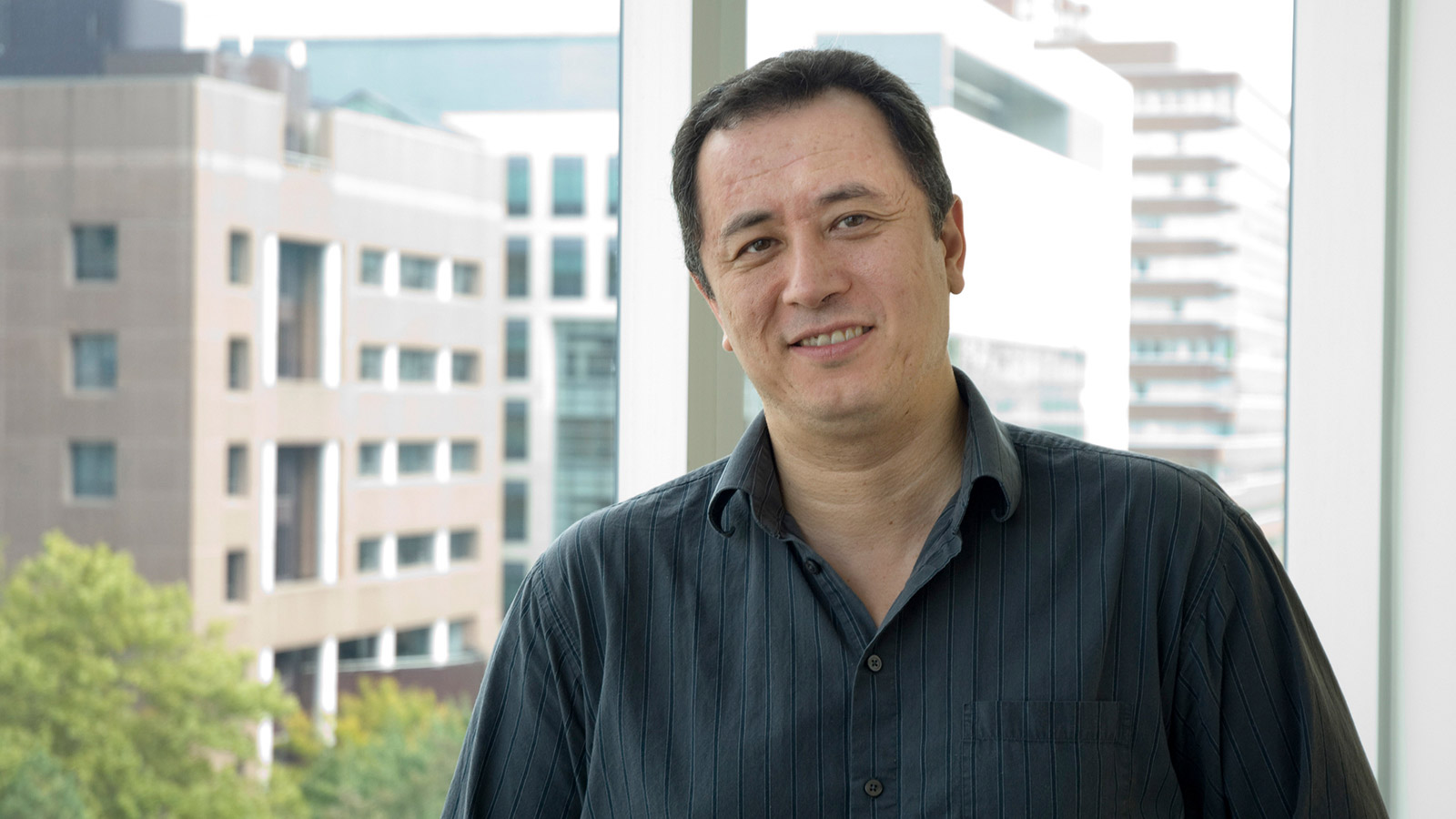
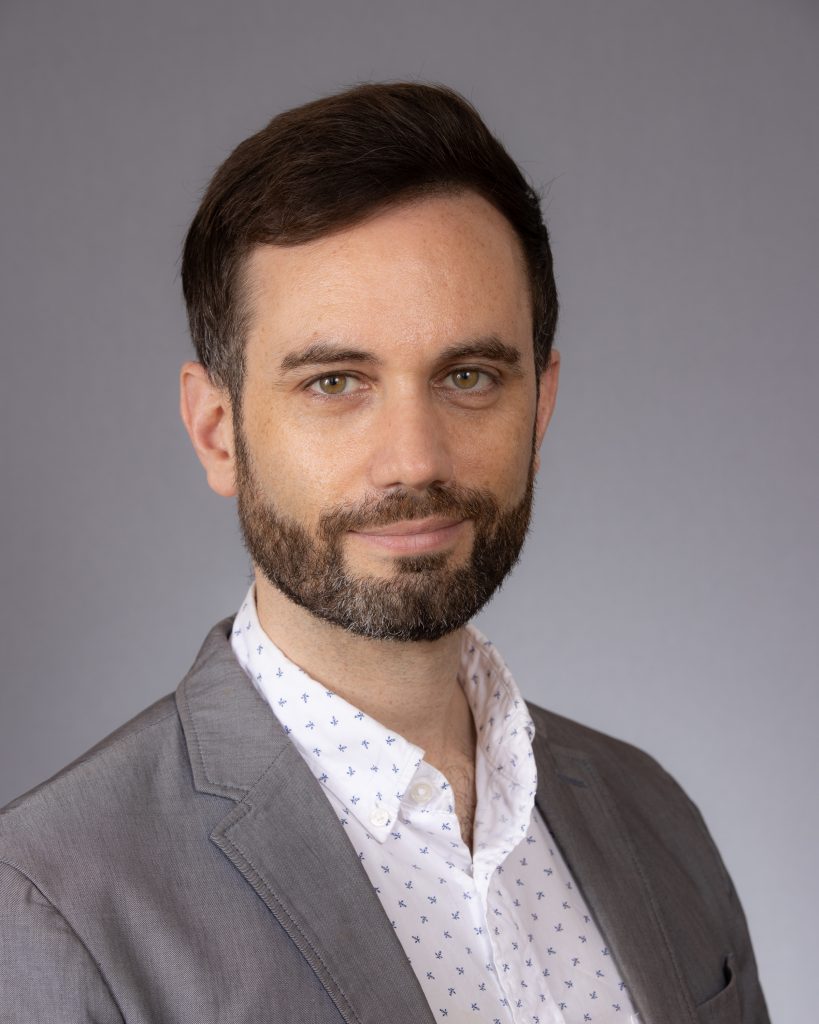
Christopher Price is an Associate Professor at the Ammon Pinizzotto Biopharmaceutical Innovation Center, University of Delaware. His research focuses on musculoskeletal biomechanics, bone adaptation, and cartilage degeneration, with a particular emphasis on mechanotransduction and fluid flow dynamics in tissues. He holds a Ph.D. in Biomedical Sciences from Mount Sinai School of Medicine (2008) and a B.Sc. in Biomedical Engineering from Boston University (2000). Dr. Price’s research interests include the role of load-induced fluid flow in bone and cartilage health, advanced bioimaging techniques, and the development of disease-modifying therapies for osteoporosis and osteoarthritis. His work has received national/international recognition, including the Orthopaedics Research Society’s New Investigator Recognition Award (2010) and multiple Young Investigator Awards (2009–2010). Research focuses on mechanobiology, mechanosensory pathways, and tissue adaptation in musculoskeletal systems. Key areas: post-traumatic osteoarthritis, cartilage lubrication, and aging-related bone fragility. Utilizes cross-disciplinary methods: biomechanics, imaging, cell biology, and animal models. Publications span topics like solute transport in bone, cartilage tribology, and genetic influences on bone healing. His lab explores translational applications of mechanotransduction research to develop therapies targeting musculoskeletal diseases.
Cynthia F. Moss is a Professor in the Department of Psychological and Brain Sciences at Johns Hopkins University (JHU), with joint appointments in Neuroscience and Mechanical Engineering. She directs the Comparative Neural Systems and Behavior Laboratory (Bat Lab), investigating neural mechanisms of sensory perception and spatial navigation in echolocating bats. Her work combines neurophysiology, behavioral ecology, and engineering to study how bats process auditory information for navigation, communication, and obstacle avoidance. Dr. Moss earned a B.S. (summa cum laude) from the University of Massachusetts, Amherst, and a Ph.D. from Brown University. She held prior faculty positions at Harvard University and the University of Maryland, where she directed the Neuroscience and Cognitive Science graduate program. Her research has received prestigious awards including the Hartmann Award (2017), James McKeen Cattell Award (2018), and Alexander von Humboldt Research Prize (2019). Her research focuses on sensory coding of natural stimuli, spatial perception, attention, and adaptive motor control. Key findings include discoveries about 3D auditory space representation in the midbrain, age-resistant hearing in bats, and the role of wing hairs in flight control. Her lab employs innovative techniques like wireless neural recording, two-photon imaging, and DREADDs-mediated inactivation to study neural circuits. Dr. Moss collaborates across disciplines, bridging neurobiology, robotics, and sensory systems engineering. Her work informs biomimetic technologies for sonar navigation and adaptive control systems. She actively mentors students and postdocs in the Krieger School of Arts and Sciences, Whiting School of Engineering, and School of Medicine at JHU.
Dr. Laura Humphrys is a Research Fellow in Drug Discovery Biology at the Monash Institute of Pharmaceutical Sciences, Monash University. Previously, she held a postdoctoral position at the University of Regensburg, Germany (2019–2022), focusing on peptide-based medicinal chemistry and CRISPR gene editing. She earned her PhD in Neuropharmacology from the University of Nottingham (2015–2020) and an MSci in Neuroscience from the same institution (2011–2015), with a year spent at the University of Melbourne. Education: PhD in Neuropharmacology, University of Nottingham (2015–2020) MSci in Neuroscience, University of Nottingham (2011–2015) Research Interests: Her work centers on visualizing and genetically modifying cell receptors in physiologically relevant cells. Key areas include GPCR biology, molecular biology, CRISPR technology, and drug discovery. She contributes to UN Sustainable Development Goals through advancements in therapeutic target identification. Key Contributions: Laura has published extensively on topics like histamine receptor pharmacology, fluorescent ligand development, and biased agonism in GPCRs. Her research bridges basic science and translational medicine, with a focus on understudied receptors. Awards: British Pharmacological Society Fellow (2023) AJ Clark Studentship (2015) Nottingham UNICAS Grant (2017) Activities & Collaboration: She actively participates in academic events, including the ASCEPT Drug Discovery Symposium (2024) and the 4GPCRnet Conference (2023). Her collaborations span institutions in Germany, Australia, and Poland, reflecting global networks in GPCR research. Labs & Teams: Works in the labs of Prof. Denise Wootten and Prof. Patrick Sexton at Monash, focusing on metabolic receptor pharmacology. Her lab employs advanced microscopy and CRISPR tools to study receptor dynamics in live cells.
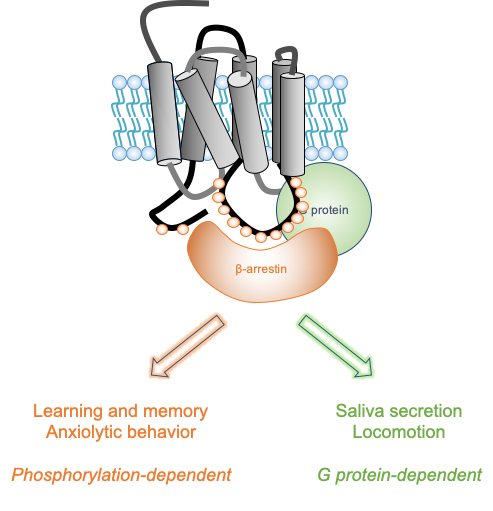
Dr. Sophie Bradley is an Honorary Senior Research Fellow and Senior Lecturer in Molecular Pharmacology at the Institute of Molecular, Cell and Systems Biology, University of Glasgow . She is also affiliated with the Centre for Translational Pharmacology and actively participates in the Scottish Dementia Research Consortium and British Pharmacological Society . Education: BSc (Hons. 1st class) in Cell Physiology and Pharmacology, University of Leicester PhD in Cell Physiology and Pharmacology, University of Leicester (BBSRC-CASE with GlaxoSmithKline) Lord Kelvin Adam Smith Fellow, University of Glasgow (2016-2020) Her research centers on G protein-coupled receptors (GPCRs) , particularly their therapeutic potential in neurodegenerative diseases like Alzheimer’s and prion disease. Key areas include M1 muscarinic acetylcholine receptors , metabotropic glutamate receptors , neuroinflammatory modulation , and biased ligand development . Recent publications highlight her work on GPCR signaling pathways , chemogenetic tools , and transgenic mouse models for neurodegeneration. Her team collaborates with academic and industry partners, including Eli Lilly and Sosei-Heptares . Scientific Awards: Gordon Research Conferences Travel Grant Animal Welfare and Ethical Review Board 3R’s Prize Oral Communication Prize, Focused Meeting on Cell Signalling MRC Career Development Fellowship College of Medicine PhD Prize BPS Bain Memorial Fund Bursary She supervises multiple PhD students and secures funding from organizations like Medical Research Scotland and Alzheimer’s Research UK . Her lab employs multi-omics approaches , neuroimaging , and behavioral assays to study receptor pharmacology in disease contexts.
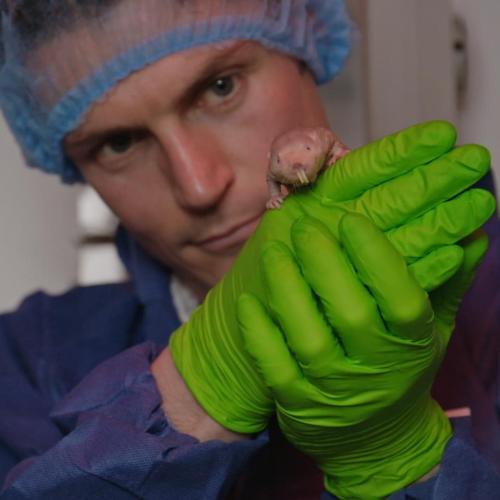
Professor Ewan St. John Smith is a Professor of Nociception at the University of Cambridge with a joint appointment as Director of the Naked Mole-Rat Initiative . He received his undergraduate training in Pharmacology at the University of Bath (including industry experience at Novartis) and completed his PhD at Cambridge on acid sensing. His postdoctoral work included 6 years at the Max-Delbrück Centre in Berlin (supported by an Alexander von Humboldt Fellowship) and a Max Kade Fellowship at NYU School of Medicine.
Dr Joanna Elson is a Lecturer at Newcastle University with extensive research expertise in mitochondrial DNA and its role in neurodegenerative diseases. Her work spans over two decades with continuous publication output through 2025, demonstrating sustained research activity and leadership in the field of mitochondrial genetics. She collaborates extensively with leading researchers including Professor Robert Taylor, Emeritus Professor Doug Turnbull, and Dr Ilse Pienaar, primarily through Newcastle University's neuroscience and mitochondrial research groups. Dr Elson's research interests focus on mitochondrial DNA variation and its implications for human health and disease. Her work explores the role of mitochondrial mutations in Parkinson's disease, Alzheimer's disease, chronic fatigue syndrome/ME, and other neurodegenerative conditions. She has developed and applied innovative methodologies including single-cell analysis of mitochondrial DNA, comparative genomics approaches to understanding mutation pathogenicity, and novel models for studying mitochondrial dysfunction in disease contexts. Her research bridges basic molecular mechanisms with clinical applications, particularly in understanding how mitochondrial variation influences disease susceptibility and progression. Analysis of Dr Elson's recent publications reveals a consistent focus on mitochondrial DNA in neurodegenerative disorders, with particular emphasis on Parkinson's disease mechanisms, mitochondrial haplogroup effects across diverse populations, and innovative therapeutic approaches targeting mitochondrial dysfunction. Her work demonstrates sophisticated integration of genetic, molecular, and clinical approaches to unravel the complex relationship between mitochondrial variation and human disease. Dr Elson has made significant contributions to understanding mitochondrial DNA variation across global populations, particularly examining African mitochondrial genome haplogroups and their implications for disease. Her work on mitochondrial mutations in Parkinson's disease has helped clarify the complex relationship between mitochondrial genetics and neurodegenerative processes. She has also contributed to developing new analytical frameworks like Heterologous Inferential Analysis for evaluating mitochondrial mutation pathogenicity. Her research program involves extensive collaboration with clinical and basic science researchers across multiple institutions, focusing on mitochondrial mechanisms in neurodegenerative diseases, chronic fatigue syndrome, and cancer biology. Dr Elson's work has established important connections between mitochondrial genetics and clinical manifestations across multiple disease contexts, advancing our understanding of how mitochondrial variation contributes to human disease susceptibility and progression.
Jennifer Dulin is an Associate Professor at Texas A&M University, specializing in spinal cord injury research. Her lab focuses on developing neural stem/progenitor cell transplantation strategies to restore motor, sensory, and autonomic functions post-injury. She joined Texas A&M in 2017 after completing a PhD in Neuroscience at the University of Texas Health Science Center at Houston and postdoctoral training at UC San Diego. Her work emphasizes scientific rigor, collaboration, and translational approaches toward clinical therapies. Education: BS in Biochemistry (Texas A&M University, 2005); PhD in Neuroscience (University of Texas Health Science Center at Houston, 2012); Postdoctoral Research in Neurosciences (UC San Diego, 2012–2017). Research Interests: Spinal cord injury pathophysiology, neural stem cell transplantation, axon regeneration, hydrogel-based delivery systems, and chemogenetic modulation of pain pathways. Her lab integrates biomaterials, molecular biology, and behavioral analysis to advance therapeutic strategies. Publications highlight federal funding trends, synaptic connectivity restoration, and G3BP1 granule disruption for axon regeneration. Her team’s work on hydrogel scaffolds and combinatorial therapies underscores innovative approaches to neural repair. Labs/Teams: Dulin Lab (Interdisciplinary Life Sciences Building, Texas A&M), collaborating with institutions on spinal cord injury research and clinical translation.
Matthew A. Wilson is the Sherman Fairchild Professor of Neuroscience and Picower Scholar at the Massachusetts Institute of Technology (MIT), affiliated with the Picower Institute for Learning and Memory. His research focuses on understanding neural processes underlying learning and memory formation, particularly in the hippocampus and neocortex. He employs advanced techniques like multi-neuron recordings and genetic/pharmacological manipulations to study how neural ensembles encode and replay experiences during behavior and sleep. Education: PhD in Neuroscience, California Institute of Technology (1991) BS in Electrical Engineering, Rensselaer Polytechnic Institute (1983) Research Interests: Dr. Wilson's work centers on hippocampal-neocortical interactions, sleep-dependent memory consolidation, and the role of neural ensemble activity in cognitive processes. His lab develops cutting-edge methodologies, including real-time neural feedback systems and high-resolution imaging technologies. Key Achievements: Recipient of the 2012 American Academy of Arts and Sciences Fellowship. Pioneered studies on hippocampal sharp-wave ripples and their role in memory replay. Lab Activities: The Wilson Lab investigates neural mechanisms of memory through interdisciplinary approaches, combining electrophysiology, optogenetics, and computational modeling. They also focus on technological innovations, such as the ArtE system for real-time experimental control and the Twister3 microwire twister for stable neural recordings.
Dr. Patrick Giguère is an Associate Professor in the Department of Biochemistry, Microbiology and Immunology at the University of Ottawa, where he holds the Canada Research Chair in Molecular Pharmacology & Drug Discovery. His research integrates pharmacological, biochemical, and structural approaches to study opioid receptor signaling and functional selectivity. His laboratory discovered that sodium ions selectively modulate arrestin recruitment at delta-opioid receptors, which may explain side effect profiles of opioid drugs. Current projects focus on developing functionally selective allosteric modulators and chemogenetic screening platforms for orphan GPCRs. The lab employs advanced molecular pharmacology techniques and high-throughput screening methods.
Dr. Stan Floresco is a Professor in the Department of Psychology at the University of British Columbia and an Investigator at the Djavad Mowafaghian Centre for Brain Health. He earned his PhD from the University of British Columbia in 2000. His laboratory, the Neural Circuits and Cognition Laboratory, investigates neural mechanisms underlying cognitive processes using rodent models. His research program focuses on neural circuits facilitating learning, cognition, and executive functioning, with emphasis on prefrontal-subcortical interactions. Key research areas include: Behavioral flexibility and adaptive decision-making Cost-benefit analysis in reward-seeking behaviors Neural basis of cognitive impairments in psychiatric disorders Pharmacological and optogenetic manipulation of neural circuits Neurodevelopmental impacts of substance exposure Analysis of publication trends reveals consistent focus on prefrontal cortex function, dopamine-glutamate interactions, and translational models of psychiatric disorders. His work integrates behavioral assessment with advanced techniques including in vivo neurophysiology, optogenetics, and chemogenetics. Dr. Floresco has received significant recognition for his contributions: Killam Teaching Prize (2020) Daniel H. Efron Research Award (2019) Killam Faculty Research Fellowship (2012) American Psychological Association Award (2010) Killam Faculty Research Prize (2009) Michael Smith Foundation Scholar Award (2002, 2008) Robert E. Knox Master Teaching Award (2007) His laboratory trains graduate students through UBC's Psychology and Neuroscience programs, emphasizing cellular/molecular neuroscience approaches to study cognition. Research is supported by multiple grants investigating prefrontal regulation of executive functions and decision-making pathologies.
James Cherry is a Professor in the Department of Psychology at Boston University, serving as Director of Graduate Studies and leading the Laboratory of Molecular Neurobiology & Behavior. His research focuses on understanding the neural mechanisms underlying sexual dimorphisms in the nervous system, particularly how olfactory systems process socially relevant odors like pheromones. He collaborates with Dr. Michael Baum to study how sex differences in odor processing arise from anatomical hard-wiring versus hormonal influences. His work combines neuroanatomical tracing (e.g., using anterograde tracers like Phaseolus vulgaris leucoagglutinin) with optogenetic techniques to map neural circuits connecting olfactory bulbs to amygdalar regions. Recent studies investigate projections from the main olfactory bulb to the medial amygdala and the role of these pathways in processing predator odors and sexual signals. Education: PhD from North Carolina State University. Laboratory techniques include whole-mount flattened cortex preparations to visualize axonal projections and Fos protein mapping to assess neural activity. His courses include PS 231 (Physiological Psychology) and PS504 (Genes, Brain, and Behavior), emphasizing evolutionary and genetic bases of behavior. Research highlights include demonstrating direct main olfactory bulb projections to the 'vomeronasal amygdala' in female mice and showing how optogenetic stimulation of PCDH-21 neurons in the accessory olfactory bulb activates medial amygdala neurons. His work reveals critical roles for medial amygdala connectivity in sexual behavior and odor preference formation.
Zoltán Molnár is Professor of Developmental Neuroscience at the University of Oxford, holding positions at the Department of Physiology, Anatomy and Genetics and St John's College. His pioneering research focuses on cerebral cortical development, thalamocortical projections, and subplate neuron function, significantly advancing our understanding of neuronal migration, circuit formation, and developmental plasticity. His educational background includes an M.D. from Albert Szent-Györgyi Medical University (1982-1988) and a D.Phil. from the University of Oxford (1989-1994) under Sir Colin Blakemore. Additional training occurred at the University of Lausanne and Kyoto Prefectural School of Medicine. MD: Albert Szent-Györgyi Medical University, Szeged, Hungary (1982-1988) DPhil: University of Oxford, UK (1989-1994) Molnár's research examines how cortical neurons are born, migrate, differentiate, and form circuits, with particular focus on thalamocortical development and subplate neuron functions. His innovative work includes 3D-printed cerebral cortical tissue for brain injury repair and investigations into neuroprotective agents like neuroserpin. Current projects explore cortical circuit plasticity, sleep regulation mechanisms, and metabolic impacts on neurodevelopment. Recent publications (2022-2025) reveal strong thematic continuity in cortical development research while expanding into neuroprotection applications, advanced imaging techniques, and translational models for brain repair. Key trends include molecular mechanisms of neuronal migration, thalamocortical connectivity evolution, and metabolic influences on neurodevelopmental disorders. His scientific recognition includes: Elected Member of Academia Europaea (Physiology and Neuroscience, 2019) Fellow of the Royal Society of Biology (2022) Einstein Visiting Fellow at Charité-Universitätsmedizin Berlin (2020-2026) Fellow of the Anatomical Society, New Fellow of the Year Award (2018) Medical Sciences Teaching Excellence Award (2010) Molnár has secured major research funding from MRC, Wellcome Trust, and BBSRC totaling over £15M, supporting 15+ projects including thalamocortical connectivity studies and Zika virus neurodevelopmental impact research. His laboratory has trained numerous postdoctoral fellows through HFSP and EU programs while mentoring graduate students via Rhodes, Wellcome Trust, and Felix Scholarships. He serves on editorial boards for Cerebral Cortex and Journal of Comparative Neurology, and has chaired the Oxford Neuroscience Committee since 2009. The Molnár Laboratory at Oxford employs correlative microscopy, 3D bioprinting, and electrophysiological techniques to investigate cortical development. The lab maintains active collaborations with Charité-Universitätsmedizin Berlin and participates in the Oxford Cortex Club, which Molnár has sponsored since its 2009 inception. Current projects focus on neuroprotective strategies for neonatal brain injury and thalamocortical circuit evolution.
George Gef Farmer is a Research Assistant Professor in the Department of Physiology and Anatomy at the University of North Texas Health Science Center's College of Biomedical and Translational Sciences. His work focuses on the brain renin-angiotensin system, neural plasticity, and their roles in hypertension and sleep apnea. Ph.D. in Cognition and Neuroscience (2012), University of Texas at Dallas M.S. in Applied Cognition and Neuroscience (2007), University of Texas at Dallas B.S. in Neuroscience (2005), University of Texas at Dallas B.A. in Psychology (2005), University of Texas at Dallas Farmer's research investigates how chronic intermittent hypoxia (a model for sleep apnea) affects angiotensin II synthesis and release, with implications for hypertension and cognitive decline. His lab employs in vitro models and sniffer cell lines to study potassium-chloride co-transporters and neural excitability in the median preoptic nucleus. His publications (2018-2021) emphasize angiotensin signaling, neurovascular changes, chloride regulation, and hypertension mechanisms, using animal models and cellular neuroscience techniques. He also explores neuroplasticity in response to hemorrhage and osmotic challenges. Farmer has been an IACUC member at UNT Health since 2018, contributing to ethical research oversight.
Rodrigo España is a Professor and Interim Chair of the Department of Neurobiology & Anatomy at Drexel University College of Medicine. His research focuses on the neural mechanisms underlying motivated behavior, sleep, and substance abuse, particularly the role of hypocretin/orexin, dopamine, and norepinephrine systems. Spaina holds a PhD from the University of Wisconsin, with postdoctoral training at Harvard University and Wake Forest University Health Sciences. Education: PhD in Neurobiology, University of Wisconsin Postdoctoral Training: Harvard University (hypocretin neuron afferents), Wake Forest School of Medicine (hypocretin and cocaine reinforcement) Research Interests: Dr. España investigates how hypocretin/orexin, dopamine, and norepinephrine regulate arousal, stress, and drug reinforcement. Techniques include fast scan cyclic voltammetry, optogenetics, fiber photometry, and chemogenetic tools like DREADDs. His work bridges basic neuroscience with translational studies on addiction and sleep disorders. Key Grant Themes: Recent projects examine sleep disturbances in cocaine abstinence, hypocretin-kappa opioid receptor antagonists for substance use disorders, and dopamine signaling in addiction relapse. These efforts highlight interdisciplinary approaches to understanding and treating addiction. Awards: Julian Marsh Faculty Scholar Award (2024) Mid-career Basic Science Investigator Award (2023) Advising & Lab: Supervises PhD candidates (Samels, Cohen, Bashford) and collaborates with institutions like Hager Biosciences and the University at Buffalo. His lab emphasizes translational research, including tissue-engineered axon repair for Parkinson’s disease and preclinical drug development.
Justin Moscarello is an Assistant Professor at Texas A&M University, affiliated with the Institute for Neuroscience. His research focuses on understanding neural mechanisms underlying learning and memory conflicts, particularly in active avoidance behavior and emotional memory disorders like PTSD. He employs techniques such as optogenetics and DREADDs to study how brain circuits resolve competing memory systems. Research interests include the psychological and neurobiological mechanisms of aversive memory, defensive behavior, and the impact of stress on avoidance learning. His work combines behavioral experiments with advanced neuroscientific methods to explore how memory systems interact to influence adaptive behavior. Recent studies highlight his exploration of subcortical mechanisms in safety-seeking behavior, sex-dependent stress effects on avoidance, and the role of brain regions like the ventral hippocampus and central amygdala. His lab investigates translational implications for anxiety, trauma, and resilience. No scientific awards are explicitly listed, but his contributions to neuroscience are evident through his publications. He accepts students for 2024-2025 and leads the Moscarello Lab, focusing on rodent models and cutting-edge neurotechnology integration.