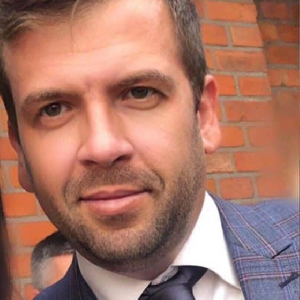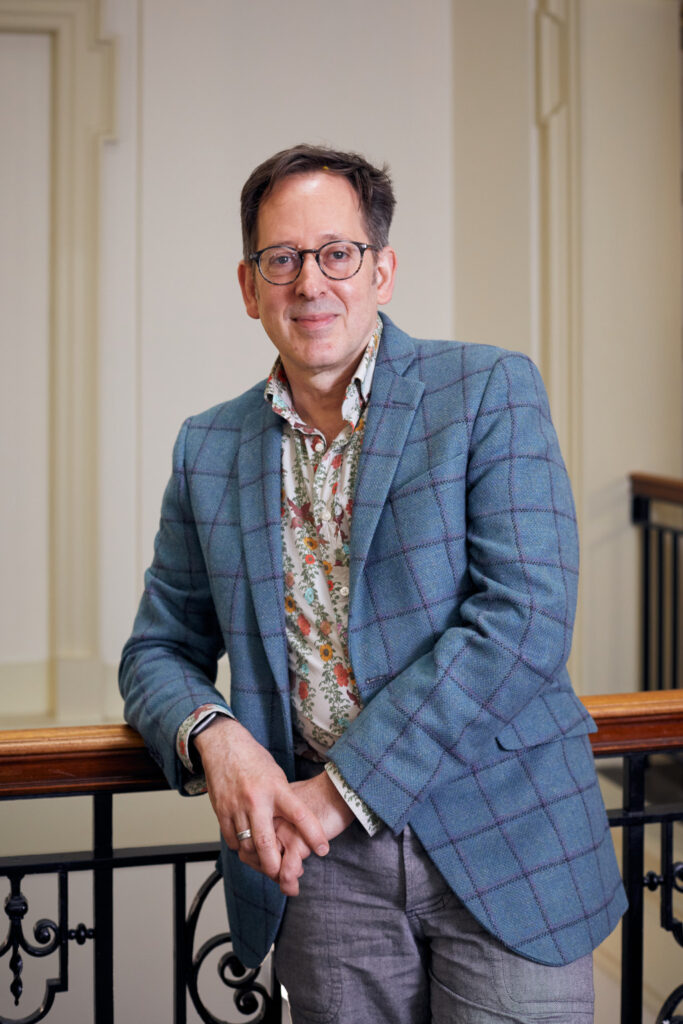
Claire Gwinnett is a Professor in Forensic and Environmental Science at Staffordshire University. She leads the Forensic Fibre and Microplastic Research Group, focusing on improving recovery, analysis, and interpretation of polymers for criminal justice and environmental applications. Her work spans forensic trace evidence, microplastic pollution, and quality assurance in forensic practices. Education: Holds a PhD from Staffordshire University ('The Use of Inexperienced Personnel in the Production of a Synthetic Fibres Database'), alongside postgraduate certificates in higher education and research methods. Research Interests: Specializes in forensic fibres and microplastics, contamination prevention, forensic database development, and pedagogy. Her research impacts industry, policy, and academia through projects like proficiency testing schemes and novel fibre analysis systems. Notable work includes the 'Easylift' tape system for evidence retrieval and collaborations on wildlife crime investigations. Publications and Projects: Over 50 publications and funded projects include £36,000 for a forensic fibres analysis system (patent-pending) and £27,000 for online CPD resources. She has managed international projects on microplastic standardization and forensic education networks. Awards: Recognized in the 2023 Whatuni Student Choice Awards for Facilities and Social Inclusion. Research Excellence Framework 2021 rated her work as 'World Leading' in impact. Professional Roles: Staffordshire Trent Valley Catchment Partnership Lead (2018–ongoing), Senior Fellow of the Higher Education Academy, and former Chartered Society of Forensic Sciences Council Member. Teaches forensic analysis, trace evidence, and statistical methods at both undergraduate and postgraduate levels. Labs/Teams: Forensic Fibre and Microplastic Research Group focuses on multidisciplinary approaches for environmental and forensic particulate analysis. Projects include forensic undersuit contamination reduction and barefoot print databases.