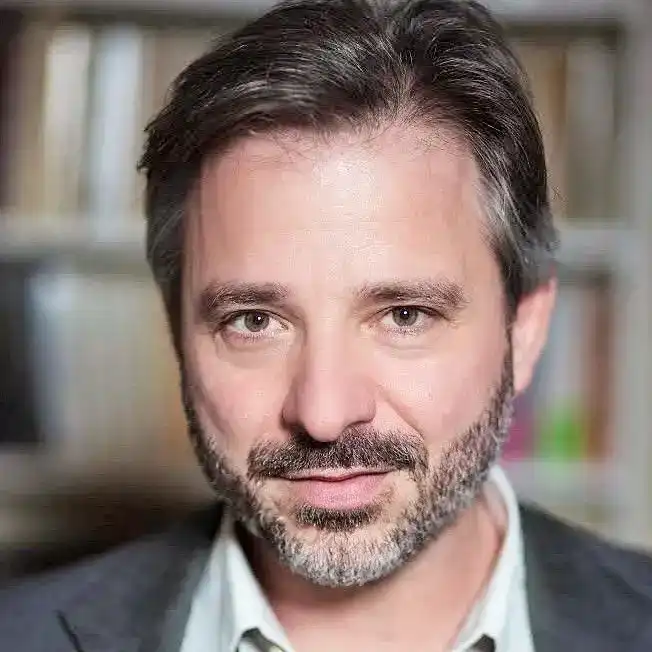
Cristelle Maury is a Lecturer at Toulouse-Jean Jaurès University, affiliated with the Center for Anglophone Studies (CAS). Her research and teaching focus on American cinema, film noir, gender and sexuality studies, and postfeminist representations in film and television. She has been actively contributing to academic discourse since earning her doctorate in 2008 and continues to publish extensively in peer-reviewed journals and edited collections. Her research interests span a wide range of topics, including the representation of masculinity in film noir, feminist film theory, ecofeminism in cinema, and the portrayal of gender-based violence. She has co-directed the "Gender Thursdays" seminar, demonstrating leadership in feminist academic initiatives. Her scholarship often engages with contemporary debates such as the MeToo movement and the evolution of female agency in media. Maury’s recent publications (2020–2024) reveal a strong thematic continuity in analyzing gender, power, and cinematic genre. Her work frequently explores the intersections of feminism, genre hybridity, and independent cinema, with a particular focus on postfeminist narratives and the transformation of archetypes like the femme fatale. She has also contributed to interdisciplinary dialogues on music in detective fiction and ecofeminist perspectives in independent film. Among her notable scholarly contributions is the co-edited volume Women Who Kill: Gender and Sexuality in Film and TV Series of the Postfeminist Era (Bloomsbury, 2020), which includes her chapters on Gone Girl and a concluding afterword reflecting on the MeToo era. She has also published on Argentine horror cinema’s treatment of feminicide and conducted interviews with feminist film scholars such as Laura Mulvey and Maria Giese. Lecturer, Center for Anglophone Studies, Toulouse-Jean Jaurès University (since 2009) Co-director, Gender Thursdays Seminar Doctorate in Film Studies, Paul-Valéry University, Montpellier III (2008) She has no listed scientific awards or grants in the provided materials, but her sustained publication record and editorial work demonstrate significant scholarly impact. She collaborates with researchers across France and internationally, particularly in gender and film studies networks. There is no mention of students she has advised, but her academic leadership in seminars and publications suggests mentorship and collaborative research activities. Her work is deeply embedded in feminist and cultural theory, with a consistent focus on challenging dominant cinematic narratives through critical gender analysis.
- American Cinema
- Film Noir
- Neo-Noir
- +۱۳ مورد دیگر