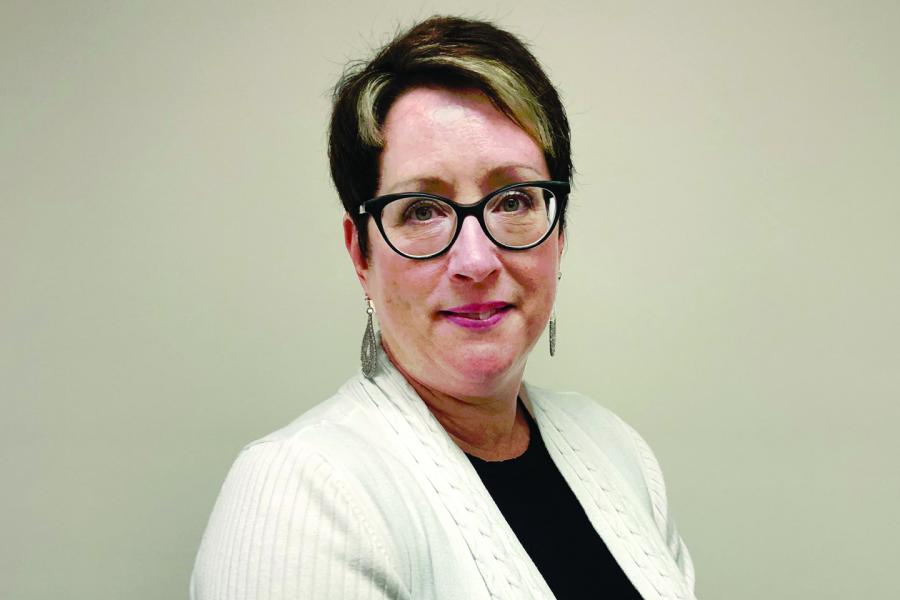
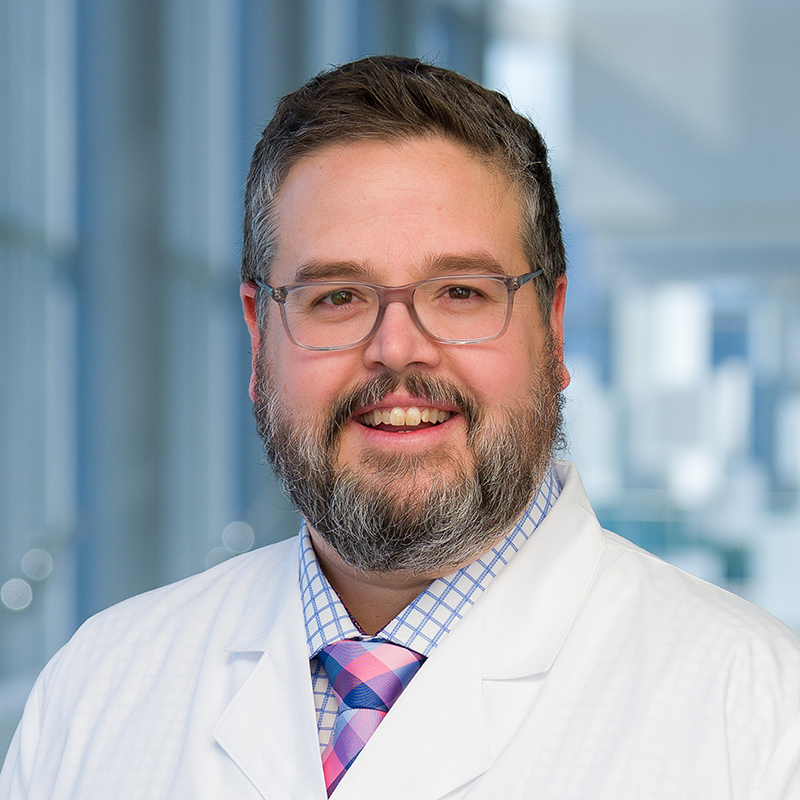
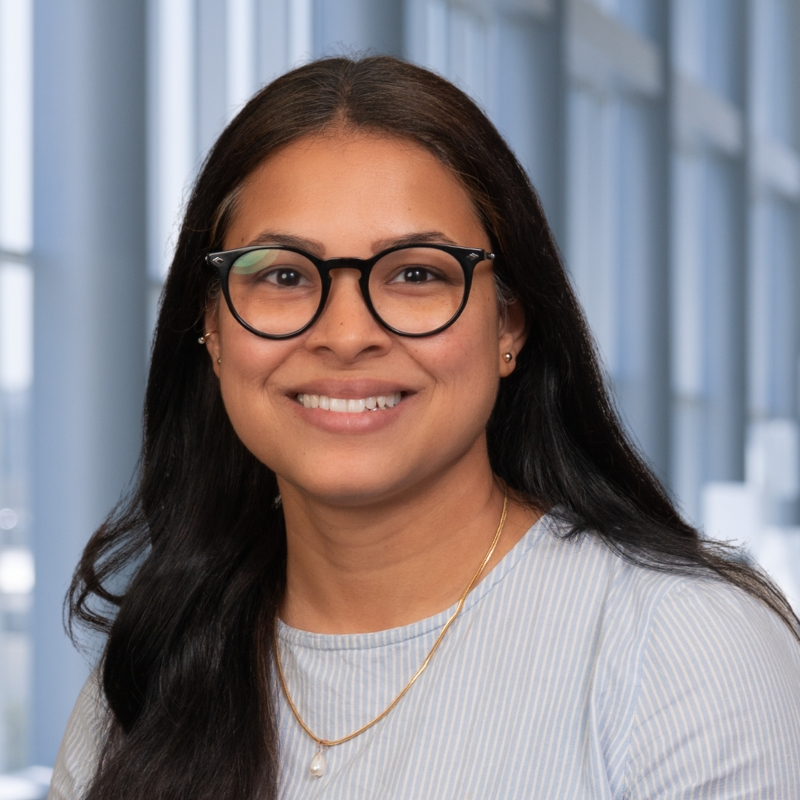
Professor Michael Lind is a Foundation Professor of Oncology at the University of Hull and Head of the Joint Centre for Cancer Studies . With 35 years in medical oncology (25 as a consultant), he focuses on lung cancer, mesothelioma, oncogeriatrics, and translational research. Chairs National Cancer Registration and Analysis Service lung group for Public Health England Leads projects on physical activity interventions, geriatric assessment, and cancer care equity Supervises 10 completed PhD/MDs and 1 current PhD/MD Research Trends: Recent works span precision oncology (EGFR mutations), healthcare disparities (geographical/socioeconomic), palliative interventions (venting gastrostomy), and pandemic-related cancer care disruptions. Keywords include Lung Cancer, Mesothelioma, Geriatric Assessment, Health Equity, Palliative Care . Labs & Collaborations: Works with the Institute for Clinical and Applied Health Research (ICAHR) and Hull Molecular Imaging Centre (HuMic) .
Aaron Grossberg, M.D., Ph.D., serves as Associate Professor of Radiation Medicine at Oregon Health & Science University (OHSU) School of Medicine, with joint appointments at the Cancer Early Detection Advanced Research Center and Brenden-Colson Center for Pancreatic Care. His clinical practice specializes in pancreatic and breast cancers, utilizing stereotactic body radiation therapy (SBRT) and hypofractionated radiation techniques for both early and locally-advanced pancreatic malignancies. Dr. Grossberg's educational background includes: B.A. (2002) from University of Colorado Boulder Ph.D. (2011) and M.D. (2013) from Oregon Health & Science University Internal Medicine Internship (2014) at Providence St. Vincent Medical Center Radiation Oncology Residency (2018) at MD Anderson Cancer Center His research program investigates the metabolic interactions between cancer and host physiology to improve early detection and patient quality of life. Key focuses include genetic and molecular determinants of radiation therapy toxicities, biomarker discovery for pancreatic cancer, and advanced radiation techniques. Current projects involve cell-free RNA diagnostics, cachexia mechanisms, and sarcopenia quantification in cancer patients. Analysis of his 15 most recent publications (2022-2025) reveals strong emphasis on pancreatic cancer early detection (47% of articles), metabolic interactions (27%), and radiation therapy optimization (13%). Recurring themes include biomarker validation (GDF15, LCN2), health disparities research, and sarcopenia quantification methods using AI-enhanced imaging. No specific scientific awards or prizes were listed in the source materials, though Dr. Grossberg maintains active membership in major professional societies. Information regarding student advising and grant funding specifics was not provided in the available text. Dr. Grossberg conducts research through OHSU's Cancer Early Detection Advanced Research Center and Brenden-Colson Center for Pancreatic Care, with clinical practice at OHSU Knight Cancer Institute locations in Beaverton and Portland.
Conjoint Professor Samuel Norbert Breit is a Clinical Immunologist and Immunopathologist at St Vincent's Hospital Sydney and a Professor of Medicine at the University of New South Wales. He heads the Inflammation and Cytokine Biology Research Program at St Vincent's Centre of Applied Medical Research, where he leads a team investigating the biology and therapeutic applications of MIC-1/GDF15 and its receptor GFRAL. Professor Breit's educational background includes: MBBS (Bachelor of Medicine, Bachelor of Surgery) MD (Doctor of Medicine) FRACP (Fellow of the Royal Australasian College of Physicians) FRCPA (Fellow of the Royal College of Pathologists of Australasia) With a career-long interest in biomedical research, Professor Breit has established himself as an international leader in the study of GDF15, which his laboratory first cloned and characterized. His research has focused on understanding the biology of this cytokine, particularly its role as a metabolic regulator. Professor Breit's group has spearheaded the investigation of MIC-1/GDF15, discovering its importance in appetite regulation, metabolism, inflammation, and immunity. His seminal work on the role of MIC-1/GDF15 in cancer anorexia/cachexia and appetite regulation earned recognition from the NHMRC through inclusion in their 'Ten best projects 2011' publication. Professor Breit's research program currently focuses on elucidating the mechanisms by which GDF15 exerts its effects through three main avenues: (1) aspects of the basic biology of the GDF15-GFRAL pathway, (2) the means by which this pathway regulates metabolism, and (3) the mechanisms by which it influences immune and inflammatory responses. His work has significant therapeutic implications for conditions including obesity, cancer-associated syndromes, inflammatory diseases, and cardiovascular disorders. His laboratory's discoveries have been licensed to several major international companies for applications in cancer and cardiovascular disease diagnosis and management, as well as for therapeutic development targeting inflammatory diseases, obesity, and cancer-associated syndromes. Professor Breit has been recognized for his contributions to medical science: NHMRC 'Ten best projects 2011' for his seminal studies on MIC-1/GDF15 in cancer anorexia/cachexia and appetite regulation Professor Breit maintains an active research program involving post-doctoral scientists and PhD students. He supervises multiple PhD projects focused on the role of MIC-1/GDF15 in regulating appetite, sculpting metabolism to resist obesity and inflammation, and regulating inflammatory responses and tumor immunity. He has a long track record of project grant support from various funding bodies, enabling his team to pursue innovative research at the intersection of immunology, metabolism, and inflammation. As head of the Inflammation and Cytokine Biology Research Program at St Vincent's Centre of Applied Medical Research, Professor Breit leads a multidisciplinary team comprising immunologists, molecular biologists, and clinical researchers. The program maintains state-of-the-art facilities for molecular biology, cell culture, and animal studies, allowing for comprehensive investigation of the GDF15-GFRAL signaling pathway from basic mechanisms to potential clinical applications.
Susan McClement, RN, PhD, is a Senior Scholar at the College of Nursing, University of Manitoba, where she contributes to research and education in palliative and end-of-life care. She is also a Research Affiliate at Riverview Health Centre and serves on the executive board of the Manitoba Medical Services Foundation. Her research focuses on the psychosocial dimensions of cancer-anorexia-cachexia syndrome, nursing education in palliative care, and understanding compassionate care for individuals with life-limiting illnesses. She has advanced training in interdisciplinary research and has contributed to palliative care education internationally, including in Cuba and at Sichuan University in China. Dr. McClement holds specialty certification in hospice and palliative care nursing from the Canadian Nurses Association. She previously served as Scholar-in-Residence at the Saskatchewan Institute for Applied Science and Technology. She earned her undergraduate degree from the University of Victoria and completed both her Master of Nursing and interdisciplinary PhD at the University of Manitoba. Her master’s thesis examined critical nursing behaviors in caring for dying adults in intensive care, while her doctoral work developed an empirical model of experiences among advanced cancer patients, families, and providers affected by cancer-anorexia-cachexia syndrome. She began her nursing career at Grace General Hospital in Winnipeg, working in adult medicine and intensive care, before transitioning into nursing education and research. Research Affiliate, Riverview Health Centre Executive and Board Member, Manitoba Medical Services Foundation Specialty Certification, Canadian Nurses Association (Hospice/Palliative Care) Scholar-in-Residence (former), Saskatchewan Institute for Applied Science and Technology
Jonathan Burgos serves as a Lecturer at Halmstad University's School of Information Technology, specializing in educational innovation at the intersection of artificial intelligence, design, and professional development. His research spans dual domains: contemporary work focuses on Artificial Intelligence Education , Design Ethics , and Innovation Management through flexible learning formats, while earlier neuroscience research investigated obesity-brain health relationships and cancer-related cachexia . Recent publications demonstrate a strategic pivot toward technology education, particularly using tabletop games for ethics instruction and lifelong learning frameworks for AI professionals. Analysis of his 12 publications (2012-2023) reveals distinct research phases: pre-2020 work centered on neuroendocrine mechanisms in obesity and cancer using rodent models and neuroimaging, whereas 2022-2023 outputs exclusively address pedagogical innovation in technical fields. This evolution reflects institutional alignment with the university's Smart Cities and Health Innovation focus areas.
Dr. Mariana Sousa is a Chancellor's Postdoctoral Research Fellow at IMPACCT, University of Technology Sydney. A physician and researcher with clinical training in oncology, she focuses on cancer cachexia management and palliative care innovation. Her research develops interventions to: Improve nutritional/functional states in cancer patients Create competency frameworks for cachexia care (CAXCare) Enhance multidisciplinary approaches to wasting syndromes Evaluate pharmacological interventions like anamorelin Her publications systematically examine clinical endpoints and care models in cachexia research. She coordinates a phase II clinical trial on anorexia in small-cell lung cancer and develops educational resources for healthcare professionals.
Rodney Infante, M.D., Ph.D., is an Associate Professor at UT Southwestern Medical Center, holding primary appointment in the Center for Human Nutrition and secondary appointments in the Department of Molecular Genetics and Department of Internal Medicine (Division of Digestive & Liver Diseases). He specializes in general gastroenterology and cancer cachexia. His research focuses on molecules and mechanisms driving adipose wasting in cachexia, particularly in oncologic, liver, and infectious diseases, with aims to identify therapies for cachexia and insights into obesity treatment. Education: B.S. in Accounting (University of Florida), M.D./Ph.D. (UT Southwestern), residency at Massachusetts General Hospital, gastroenterology/human nutrition fellowships at UT Southwestern. Awards: 2019 Burroughs Wellcome Career Award for Medical Scientists, 2019 AGA Research Scholar Award. Key research interests include cytokine-mediated adipose loss (e.g., leukemia inhibitory factor [LIF]), JAK inhibitor therapies, and cholesterol trafficking. He collaborates with oncologist Puneeth Iyengar on cachexia databases linking clinical observations to preclinical studies. His lab investigates cachexia mechanisms in gastrointestinal and lung cancers, leading to a phase 1 trial of JAK inhibitors. Publications highlight cachexia pathogenesis, JAK/STAT signaling pathways, and metabolic disease intersections. He is affiliated with the Harold C. Simmons Comprehensive Cancer Center and leads the Infante Laboratory at UT Southwestern.
Deepali Gupta, Ph.D., is an Assistant Instructor in the Department of Internal Medicine at UT Southwestern Medical Center and a member of the Center for Hypothalamic Research. Her research focuses on understanding endocrine disorders like diabetes and obesity, as well as psychiatric behaviors such as depression, with a particular emphasis on ghrelin signaling pathways and their metabolic implications. She has contributed over 44 peer-reviewed publications and one book chapter, and her work has been presented at international conferences. Dr. Gupta earned a Bachelor’s in Pharmacy from Rajiv Gandhi Technical University, a Master’s in Pharmacology from Birla Institute of Technology and Science (BITS), Pilani, and a Ph.D. in Neuropharmacology from the same institution. She completed postdoctoral training at UT Southwestern under Dr. Jeffrey Zigman, studying the biological functions of the ghrelin system. Her research interests span ghrelin’s role in energy homeostasis, hypothalamic regulation, and psychiatric comorbidities. Notably, she investigates LEAP2 interactions, exercise-induced metabolic adaptations, and therapeutic interventions for obesity and diabetes. Dr. Gupta is an Academic Editor for the International Journal of Endocrinology and reviews for multiple journals. She actively mentors students and volunteers in community initiatives like blood donation drives. Professional affiliations include the International Society of Neurochemistry, The Obesity Society, and the American Diabetes Association, where she serves on committees. Her work bridges basic and clinical research, integrating molecular mechanisms with translational medicine.
Tamas Horvath serves as the Jean and David W. Wallace Professor of Comparative Medicine and Professor of Neuroscience and of Obstetrics, Gynecology, and Reproductive Sciences at Yale University School of Medicine. He holds the position of Chair of the Department of Comparative Medicine and directs the Yale Program on Integrative Cell Signaling and Neurobiology of Metabolism. His extensive academic affiliations include the Center for Infection and Immunity, Diabetes Research Center, Kavli Institute for Neuroscience, Interdepartmental Neuroscience Program, Neural Disorders, Reproductive Neurosciences Group, Yale Center for Molecular and Systems Metabolism (YMSM), Yale Center for Research on Aging (Y-Age), and the Yale Combined Program in the Biological and Biomedical Sciences (BBS). Dr. Horvath received his Doctor of Veterinary Medicine (D.V.M.) from the Faculty of Veterinary Sciences in Budapest, Hungary, and his Doctor of Philosophy (Ph.D.) from the University of Szeged in Hungary. His research focuses on neuronal circuitries that support physiological and pathological homeostatic conditions, including processes associated with reproduction, energy metabolism, and neurodegeneration. His work bridges neuroendocrinology, obesity research, and metabolic physiology, with particular emphasis on hypothalamic regulation of feeding behavior and energy homeostasis. His recent publications reveal a strong focus on the neural mechanisms controlling feeding behavior, obesity, and metabolic disorders. His research team has made significant contributions to understanding AgRP neuronal function, hypothalamic regulation of energy balance, and the neurobiological basis of eating disorders. His work spans from basic molecular mechanisms to translational applications for metabolic disorders. Outstanding Scientific Achievement Award (2016) from American Diabetes Association Hans Fisher Senior Fellow from Technical University of Munich (2014) Honorary Doctorate from Szent Istvan University (2013) The Ernst Oppenheimer Award from The Endocrine Society (2012) 7th John K. and Mary E. Davidson Lectureship and Award from University of Toronto (2012) As Chair of Comparative Medicine and Director of the Yale Program on Integrative Cell Signaling and Neurobiology of Metabolism, Dr. Horvath oversees significant research initiatives and maintains an active laboratory investigating the neural basis of metabolic regulation. His collaborative work spans multiple disciplines and departments at Yale, reflecting the integrative nature of his research approach. The Horvath Lab, located at the Brady Memorial Laboratory, continues to produce groundbreaking research in neuroendocrinology and metabolism.
John Wysolmerski is a Professor of Medicine and Section Chief of Endocrinology and Metabolism at Yale School of Medicine. He is affiliated with the Department of Internal Medicine and holds key roles in the Yale Cancer Center, Yale Stem Cell Center, and the Bone Center. His clinical and research work focuses on endocrine disorders, particularly those involving calcium, bone, and mineral metabolism. His educational background includes a BS in Biology (1982) and MD (1986) from Yale University, followed by internship and residency at Tufts New England Medical Center. Dr. Wysolmerski's research explores the biological functions of parathyroid hormone-related protein (PTHrP) and the calcium-sensing receptor in the breast, with a focus on their roles in lactation and breast cancer. His work also investigates cancer-associated hypercalcemia and the brain-breast-bone axis in metabolic regulation. His recent publications span molecular oncology, endocrinology, and physiology, highlighting signaling pathways in breast cancer, calcium dynamics in lactation, and tumor-induced metabolic syndromes. His research trends emphasize the intersection of endocrinology and oncology, particularly in understanding how hormonal signaling influences tumor progression and metabolic complications. Co-Chair, 4th International Symposium on the Calcium Sensing Receptor (2023) Co-Chair, Mammary Gland Biology Gordon Research Conference (2013) Standing Member, ICER Study Section, NIH (2012) President, Interurban Clinical Club (2010) Interurban Clinical Club Councilor (2007) Dr. Wysolmerski has mentored numerous trainees and leads a robust research program supported by institutional and federal funding. He serves on editorial boards including Endocrinology and the Journal of Mammary Gland Biology and Neoplasia , and contributes to national research initiatives through NIH and Gordon Research Conferences. He is actively involved in developing clinical programs such as the Fracture Liaison Service at Yale to improve osteoporosis care. He leads a multidisciplinary research team focused on endocrine oncology and mineral metabolism, collaborating with experts in molecular biology, oncology, and physiology. His lab is part of the broader Yale research ecosystem, including the Yale Cancer Signaling Networks and the Diabetes Research Center.
Professor Sir Stephen O'Rahilly is a leading endocrinologist at the University of Cambridge, affiliated with the Department of Clinical Biochemistry and the Institute of Metabolic Science . He serves as Director of the MRC Metabolic Diseases Unit (2013–2029) and Principal Investigator of the Wellcome Discovery Research Platform (2024–2031). His research spans three major areas: (a) insulin resistance and metabolic disease (funded by Wellcome), (b) disorders of appetite and obesity with a focus on the leptin-melanocortin axis and GDF15's role in pregnancy sickness (MRC-funded), and (c) body composition regulation in diseases like cachexia (MRC and Cancer Grand Challenge Fund). Collaborators include David Savage, Tony Coll, and Giles Yeo. A pioneer in human genetics and translational research, he employs multidisciplinary approaches from cellular/murine models to clinical trials, guided by genetic insights from colleagues like John Perry, Ken Ong, and Nick Wareham. His work integrates metabolic and endocrine sciences to address obesity, diabetes, and related disorders. Scientific Awards : Harveian Oration (2016), Wellcome Investigator Fellow
Jeffrey Zigman, M.D., Ph.D., is a tenured Professor in the Department of Internal Medicine at UT Southwestern Medical Center, with a secondary appointment in Psychiatry. He holds the Kent and Jodi Foster Distinguished Chair in Endocrinology and other endowed professorships. Dr. Zigman earned his B.A. from Cornell University, his M.D. and Ph.D. from the University of Chicago, and completed residency and fellowship training at the University of Chicago and Beth Israel Deaconess Medical Center. He joined UT Southwestern in 2006 and currently chairs the Molecular Metabolism & Metabolic Diseases Graduate Track and directs the Enrichment Program at the Nutrition and Obesity Research Center. His research focuses on the hormonal and neuronal mechanisms underlying eating behavior, blood glucose regulation, and stress responses, with a particular emphasis on ghrelin's role in obesity, diabetes, and mood disorders. The Zigman Lab employs transgenic mouse models, behavioral assays, and advanced techniques like chemogenetics to study ghrelin's effects on energy homeostasis, reward pathways, and neuroprotection. Current projects investigate ghrelin's role in exercise endurance, Prader-Willi Syndrome, and Alzheimer's Disease. Dr. Zigman mentors a team of postdoctoral fellows, graduate students, and technicians, emphasizing interdisciplinary approaches to metabolic and neurological challenges. His lab has developed novel tools, including ghrelin-Cre mice and immortalized ghrelin cell lines, widely used in the scientific community. Recent work highlights ghrelin's antidepressant effects, its regulation by insulin and stress, and its implications in cancer-related cachexia.
Professor Theocharis Ispoglou is a leading academic at Leeds Beckett University's Carnegie School of Sport , specializing in Exercise and Nutritional Sciences . With over two decades of experience, his research bridges laboratory findings with practical applications for muscle health, ageing, and metabolic conditions. Professor at Leeds Beckett University Director of Centre for Active Lifestyles and Healthy Ageing (ACTLIFE) Researcher at Centre for Human Performance Research Focus: Combats sarcopenia through nutritional interventions (e.g., protein/EAA supplementation) and exercise regimes. His work informs clinical practices for the NHS, drives public health initiatives, and collaborates with industry for commercializing nutritional products. Scientific Contributions: 15 recent articles highlight his expertise in muscle physiology, cancer cachexia, cardiac rehabilitation, and digital health tools. Key sub-fields include metabolic health, endocrine responses to exercise, and cross-sectional studies in NHANES datasets. Teaching & Mentorship: Delivers modules in Physiology and Biochemistry for Performance and Major Independent Study , shaping future health professionals.