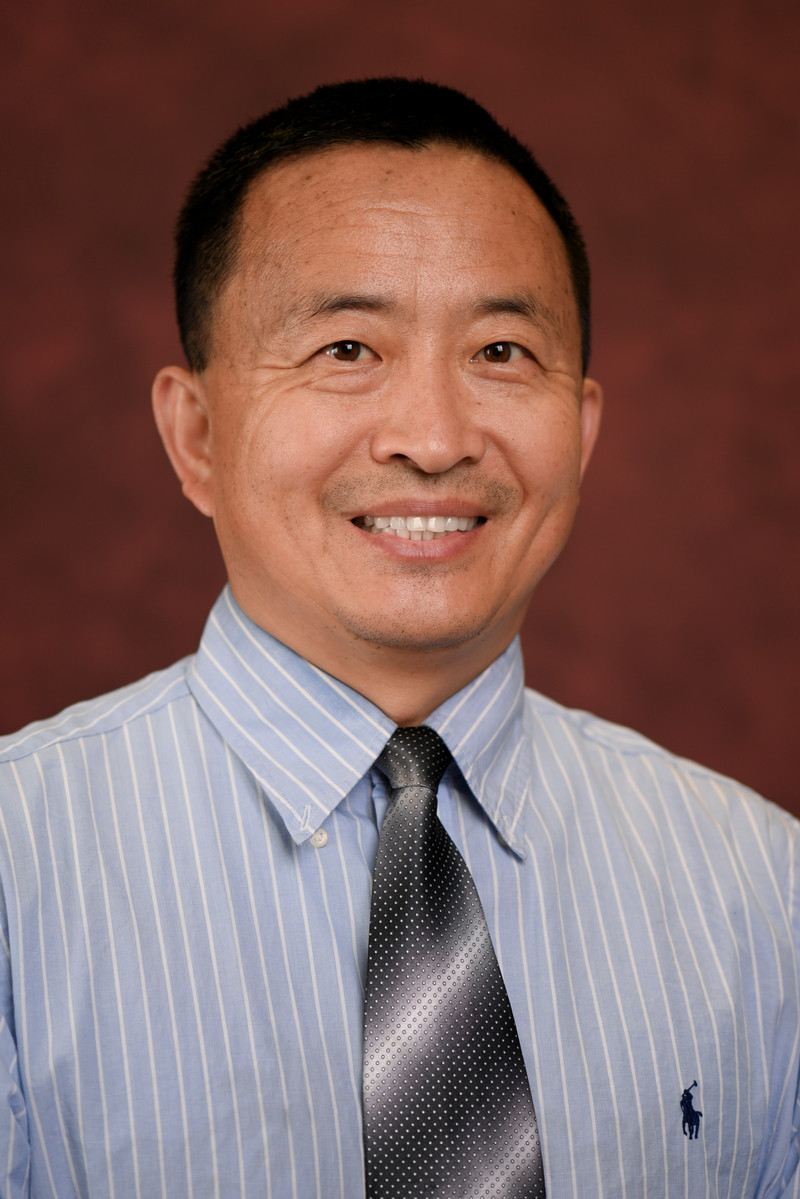
Som G Nanjappa is an Associate Professor in the Department of Pathobiology at the University of Illinois. His academic background includes a Ph.D. in Immunology from the University of Wisconsin-Madison (2009). He specializes in T cell biology, fungal infections, and vaccine development, with a focus on CD8+ T cells, Tc17 cells, and their roles in combating fungal pathogens like Blastomyces dermatitidis and Cryptococcus neoformans. His research explores mechanisms of vaccine-induced immunity, particularly in immunocompromised hosts, and investigates how T cell responses contribute to protection against fungal pneumonia. Recent work highlights the role of GM-CSF+ Tc17 cells in vaccine efficacy and the importance of molecules like sialophorin in CD8+ T cell activation. Collaborations span immunology, oncology, and microbiology, with studies on 27-hydroxycholesterol’s impact on breast cancer progression and T cell dysfunction. Publications emphasize fungal vaccine strategies, immune memory persistence, and the interplay between innate and adaptive immunity. His findings have been featured in journals like Cell Reports, PLoS Pathogens, and Frontiers in Immunology, with impactful contributions to understanding antifungal immunity and T cell plasticity.
Paul Klenerman is a Professor at the Nuffield Department of Medicine within the Medical Sciences Division , University of Oxford. His research focuses on immune responses to infectious diseases including HIV, hepatitis B/C, and SARS-CoV-2, with emphasis on T-cell biology, vaccine development, and host-pathogen dynamics. Email: paul.klenerman@medawar.ox.ac.uk Collaborators: Ellie Barnes (Oxford), Adrian Hill (Oxford), Georg Lauer (Harvard), Robert Thimme (Freiburg), and others across 12 institutions. Key research themes include: CD161++/MAIT cell biology (bacterial/viral defense, liver immunology), HCV immune defense (vaccine trials using adenoviral vectors), and memory inflation (persistent immune responses post-viral infections). Recent publications (2024-2025) span vaccine immunology (hybrid immunity, bivalent boosters), liver immunobiology (MAIT cell repair mechanisms), infectious disease dynamics (HCV persistence, dengue progression), and single-cell analysis of gut/lung pathologies.
Professor Anita Chong is a distinguished immunologist at the University of Chicago's Pritzker School of Medicine, Department of Surgery-Transplant, where she leads groundbreaking research in transplantation immunology and tolerance mechanisms. Her laboratory has established herself as a leading authority in understanding the complex interplay between the immune system and organ transplantation. Dr. Chong's educational background includes a BS (Hons) from the University of Malaya, Malaysia, a PhD from Australian National University, Australia, and postdoctoral training at Tufts University, Boston, MA, followed by research associate work at the University of Arizona, Tucson, AZ. Her research program focuses on immunological tolerance and humoral immunity following allogeneic transplantation, with particular emphasis on understanding how infections prevent the induction of transplantation tolerance or destabilize established tolerance. Dr. Chong has developed innovative approaches to track defined populations of endogenous allospecific T cells (including CD4+ effectors, CD4+ Tregs, and CD8 effectors) and B cells, examining their behavior under conditions of rejection, memory/sensitization, and tolerance. She actively investigates memory alloreactive B cells in transplantation settings and has expanded her research into vaccination strategies to prevent infections as a means of stabilizing tolerance. Analysis of Dr. Chong's recent publications reveals a strong focus on cellular mechanisms of transplant tolerance and rejection, with particular emphasis on B cell biology, T regulatory cells, and the impact of infections on transplant outcomes. Her work increasingly incorporates multi-omics approaches and examines sex and gender differences in transplant outcomes, reflecting evolving trends in precision medicine within transplantation. Dr. Chong serves as Principal Investigator on multiple significant NIH-funded research projects, including R01AI182097 (Mechanistic studies on pregnancy-induced humoral sensitization in organ transplantation), R01AI148705 (Intrarenal B cells in acute kidney allograft rejection), and R01AI142747 (Deconstructing B cell transplantation tolerance). She has also served as Co-Principal Investigator on numerous collaborative grants. Her laboratory maintains extensive collaborations with Dr. Marisa Alegre studying infections and transplantation tolerance, Dr. Roger Sciammas at UC Davis, clinical transplant faculty at the University of Chicago and Ohio State University, Dr. Chris Montgomery on vaccination research, and Dr. Joel Collier at Duke University developing nanoparticulate adjuvant-free vaccines. These collaborative efforts have positioned her laboratory at the forefront of translational transplantation research with significant implications for clinical practice.
Yulong Wei is a Researcher in the Department of Microbial Pathogenesis at Yale School of Medicine. His work focuses on understanding viral persistence mechanisms, particularly in HIV-1 and SARS-CoV-2, using cutting-edge genomic and immunological approaches. He explores how host cellular environments influence viral integration, reservoir formation, and immune evasion. Research interests include: HIV reservoir dynamics and latency mechanisms Host-pathogen interactions in viral persistence Single-cell multiomics analysis of viral infections Antiviral drug discovery and repurposing Ribosomal adaptation and translation mechanisms in bacteria Recent work highlights his contributions to understanding how interferon signaling and chromatin structure affect HIV integration sites, as well as computational studies of griseofulvin's potential in combating SARS-CoV-2. He has also investigated evolutionary genomic signatures in microbes related to translation efficiency and environmental adaptation. His lab is part of the Yale School of Medicine's broader efforts in microbial pathogenesis and infectious disease research, with a focus on translational applications for persistent viral infections.
Nevil Singh is an Associate Professor in the Department of Microbiology and Immunology at the University of Maryland School of Medicine, where he has been a faculty member since 2013. He is also a Member of the Marlene and Stewart Greenebaum Comprehensive Cancer Center. His research focuses on understanding the mechanisms of T cell activation, tolerance, and memory formation. Dr. Singh received his graduate training at the Tata Institute of Fundamental Research (TIFR) in Bombay, India, where he worked on vaccine-antigens against the malarial parasite Plasmodium falciparum . He then completed a post-doctoral fellowship with Ron Schwartz's group at the NIAID, NIH, examining T cell tolerance to self-proteins. Following this, he worked as a Research Scientist at the NIAID studying mechanisms controlling the responsiveness and frequency of helper T cells. Dr. Singh's research spans several interconnected areas in immunology. His laboratory investigates how T cells discriminate between pathogens, tumors, and self-antigens through mechanisms of negative regulatory signaling. They study how T cells calibrate their sensitivity to antigen through a process called "T cell tuning." The lab also examines how T cell responses are tailored to both pathogen type and affected tissue niche. Additionally, they investigate the mechanisms by which neurotransmitters regulate T cell function, exploring the intersection of nervous and immune systems. Dr. Singh's research has significant implications for understanding autoimmune diseases, developing more effective vaccines, and improving cancer immunotherapies. His work on T cell tuning provides insights into how the immune system maintains tolerance to self-antigens while remaining responsive to pathogens, with potential applications for treating both autoimmune disorders and cancer. Dr. Singh has received funding from diverse sources including DARPA for his work on immunological memory formation. His laboratory collaborates with teams at UMSOM, Arizona State University, and the NIAID/NIH in Bethesda, and with the Fuerst group at IBBR for preclinical HCV vaccine evaluation. Dr. Singh actively mentors graduate students and postdoctoral fellows, with several former trainees now in prominent positions in academia and industry. His laboratory culture emphasizes both experimental training and intellectual development, encouraging independent thinking and project development skills.
Federica Sallusto is a Full Professor in Medical Immunology at ETH Zurich and Università della Svizzera italiana (USI), and a Group Leader in the Cellular Immunology department at the Institute for Research in Biomedicine (IRB), Bellinzona, Switzerland. She leads a prominent research group focused on human T cell biology, immunological memory, and immune responses in infection and autoimmunity. Doctor in Biology, University of Rome, 1988 Postdoctoral work: Istituto Superiore di Sanità, Rome; Basel Institute for Immunology Group Leader, IRB, since 2000 Full Professor, ETH Zurich and USI, since 2017 Her research centers on the heterogeneity and function of human CD4+ T cell subsets, particularly Th17 and T follicular helper cells, and their roles in protective immunity and inflammatory diseases. She investigates immune responses to pathogens such as Mycobacterium tuberculosis, influenza, SARS-CoV-2, and HIV, using cutting-edge techniques in cellular immunology and systems immunology. Her work integrates human immunology with translational applications in vaccinology and autoimmune disorders. The recent publications reflect a strong focus on human immune responses to infectious agents, mechanisms of T and B cell immunity, and the intersection of immunology with neurology and autoimmunity. Key themes include antigen-specific T cell activation, antibody cross-reactivity, regulation of inflammatory pathways, and the impact of vaccines and infections on immune memory and disease outcomes. Pharmacia Allergy Research Foundation Prize Behring Lecture Member, German Academy of Sciences Leopoldina (2009) Member, EMBO (2011) International Member, U.S. National Academy of Sciences (2022) Doctor honoris causa, University of Fribourg (2022) Federica Sallusto has mentored numerous students and postdoctoral researchers, many of whom are co-authors on her high-impact publications. Her group has received significant funding from the European Research Council (ERC), Marie Curie Actions, and the Swiss National Science Foundation (SNSF), where she served on the National Research Council from 2018 to 2024. She has held leadership roles including President of the Swiss Society for Allergology and Immunology (2013–2015) and President of the European Federation of Immunological Societies (2022–2024). Her laboratory is embedded within the IRB, a leading biomedical research institute affiliated with USI, and collaborates extensively with clinical and research teams across Europe. The group is part of broader scientific networks in antibody discovery, infectious disease immunology, and neuroimmunology.
Dr. Steven Friedenberg is an Associate Professor in the Department of Veterinary Clinical Sciences at the University of Minnesota's College of Veterinary Medicine. He holds dual appointments in the Center for Immunology and Comparative and Molecular Biosciences program. His clinical specialty is Emergency and Critical Care, with board certification as a Diplomate of the American College of Veterinary Emergency and Critical Care (ACVECC). Dr. Friedenberg's educational background includes a PhD from North Carolina State University, DVM from Cornell University, MS from The Ohio State University, BS from Yale University, and an MBA from Massachusetts Institute of Technology. His diverse educational path reflects his interdisciplinary approach to veterinary medicine and research. His research focuses on canine genetics and immunology, particularly breed-specific diseases. Key areas include whole genome sequencing, genetic basis of autoimmune disorders, and comparative models of human diseases. Current projects examine autoimmune hemolytic anemia in multiple dog breeds, reference genome development for Portuguese Water Dogs, and Addison's disease in Standard Poodles. His work often bridges veterinary and human medicine, contributing to UN Sustainable Development Goals related to health and well-being. Analysis of his recent publications (2024-2025) reveals a strong emphasis on genetic mechanisms underlying breed-specific disorders. His research spans narcolepsy in Dogo Argentinos, Chiari-like malformation in Cavalier King Charles Spaniels, hyperfibrinolysis in English Springer Spaniels, immune responses to rabies vaccination, and cystic fibrosis-like conditions in canine gallbladders. These studies demonstrate his expertise in connecting genetic mutations to clinical phenotypes across multiple canine breeds. Dr. Friedenberg currently leads five major research projects totaling $8 million in active funding, including NIH-funded research on autoimmune hemolytic anemia. His work has attracted significant attention with publications picked up by numerous news outlets and cited across scientific platforms. He is accepting PhD students and maintains an active research laboratory focused on canine genetics. His Canine Genetics Laboratory, located at 1988 Fitch Avenue, serves as the primary research hub for his team. The lab employs genomic approaches to understand the genetic basis of breed-specific diseases, with particular emphasis on translating findings to improve both canine and human health outcomes. Dr. Friedenberg collaborates extensively with researchers across multiple institutions and breed-specific foundations to advance understanding of inherited disorders in dogs.
Dean Tantin is a Professor of Microbiology and Immunology at the University of Utah School of Medicine, where his research delves into gene regulation in T cells, stem cells, and cancer. His lab investigates how transcription factors like Oct1, Oct4, and OCA-B control stem-like properties in cells, impacting immunological memory, autoimmunity, and cancer progression. Education: B.S. – University of California, San Diego Ph.D. – University of California, Los Angeles Research Interests: Dr. Tantin’s work centers on understanding how transcription factors regulate cell fate decisions, particularly in T cells and stem cells. His lab explores the roles of Oct1 and Oct4 in pluripotency and differentiation, the function of OCA-B in T cell memory and autoimmunity, and the therapeutic potential of targeting these factors in diseases like multiple sclerosis and type 1 diabetes. A major focus is on how these transcription factors control gene expression programs that endow cells with longevity, self-renewal, and rapid response capabilities. Article Trends: Recent publications highlight a strong emphasis on transcriptional regulation in immune cells, particularly CD4+ T cells, and stem cells. Studies explore how OCA-B and Oct factors influence T cell memory formation, autoimmune responses, and cancer development. The work bridges molecular mechanisms with translational applications, including potential drug targets for autoimmune diseases and cancer. Laboratory and Team: Dr. Tantin leads an active research group at the University of Utah, supported by training grants and core facilities. His lab employs molecular biology, genomics, and in vivo models to dissect transcriptional networks. While specific student names are not listed, his mentorship is evident through his involvement in bioscience PhD programs and collaborative projects.
John Altin is an Associate Professor at TGen's Immunology and Microbial Genomics Division, conducting cross-disciplinary research at the intersection of adaptive immunity, genomics, and biotechnology. His work focuses on high-dimensional immune profiling using advanced platforms like PepSeq and MHC-PepSeq for studying immune responses across $10M+ research programs . Key contributions include understanding T cell regulation pathways and developing serological tools for infection tracking. Immunology and Microbial Genomics Division, TGen Co-developer of PepSeq platform Recipient of >$10M research funding His research spans infectious disease immunology (SARS-CoV-2, tuberculosis, malaria), autoimmune mechanisms (type 1 diabetes), and biotechnological innovations in antibody/TCR analysis. Publications demonstrate cross-reactive immunity patterns and high-dimensional immune profiling across human and animal populations. Laboratory members include Sophia Carvalho (PhD), Heather Mead (PhD), Jorge Soria-Bustos (PhD), and Erin Kelley (MS). Collaborations extend to Prognosys Biosciences, SpaceX research, and Arizona clinical institutions. Current work emphasizes longitudinal infection tracking and vaccine response dynamics in immunocompromised populations.
Yi-Ling Chen, DPhil, is a Career Development Fellow at the Nuffield Department of Medicine, University of Oxford, where she leads the Chen Group dedicated to lipid-mediated T cell immunity research. Research Focus: Her work centers on Immunology and T cell Biology, specifically investigating lipid-reactive T cells in immune regulation, tissue homeostasis, and microbial defense. She employs high-dimensional proteotranscriptomics, T cell clonality analysis, and human immune organoid approaches to uncover molecular mechanisms for inflammatory and infectious disease interventions. Key interests include: Lipid antigen presentation via CD1 molecules T cell responses in psoriasis and skin inflammation Host-pathogen interactions with Group A Streptococcus and Staphylococcus aureus Translational applications for immune-mediated conditions Publication Trends: Analysis of her 15 most recent publications (2020-2024) reveals consistent focus on CD1-mediated lipid antigen presentation across infectious diseases (dengue, COVID-19, bacterial infections) and inflammatory conditions (psoriasis). Her work bridges molecular immunology with clinical applications, featuring in journals like Nature Immunology , Cell , and Science Immunology , with emphasis on therapeutic target discovery. Laboratory: The Chen Group operates within Oxford's Nuffield Department of Medicine, utilizing advanced immunological techniques to study T cell immunity in human disease contexts.
Jianxun (Jim) Song, PhD, is the R.L. Bricker Endowed Professor in the Department of Microbial Pathogenesis & Immunology at the Texas A&M University Health Science Center School of Medicine. His research focuses on T-cell immunity, metabolic reprogramming, and immunomodulatory strategies for cancer and autoimmune diseases. He leads the Song Lab, which investigates how immune cells combat infections and tumors, with a particular emphasis on therapeutic applications like CAR-T cell therapy and engineered bacterial vaccines. Dr. Song's education includes a PhD from The Third Military Medical University (1998) and a postdoctoral fellowship at the La Jolla Institute for Allergy and Immunology (2004). His work spans four core research projects: T-cell metabolic regulation, eEF2K-driven immune modulation, Brucella-based cancer immunotherapy, and immune therapies for autoimmune disorders such as type 1 diabetes and rheumatoid arthritis. His research interests include understanding how proteins like NAC1 and eEF2K regulate immune cell function and metabolism. His lab develops strategies to enhance antitumor immunity and suppress autoimmune responses, using engineered live attenuated bacteria to modulate microenvironments. Dr. Song has been recognized with the AAI Careers in Immunology Fellowship. Key contributions include discoveries about NAC1's role in T-cell activity and tumor progression, eEF2K's impact on immune cell subsets, and the use of Brucella mutants to improve cancer immunotherapy outcomes. His lab also explores stem cell-derived regulatory T cells for treating autoimmune diseases.
Brigitta Stockinger is a distinguished Professor at the Francis Crick Institute, leading research in the Division of Molecular Immunology. With a career spanning over three decades, she has established herself as a leading authority in immunology, particularly in the study of T cell biology and the aryl hydrocarbon receptor (AHR) pathway. PhD in Biology from the University of Mainz Postdoctoral training in London, Cambridge, and Heidelberg Member of the Basel Institute for Immunology (1985-1991) Group leader at MRC National Institute for Medical Research (1991-present, now part of Francis Crick Institute) Head of Division of Molecular Immunology (2010-present) Professor Stockinger's research has evolved from studying immune tolerance using T cell receptor transgenic mouse models to pioneering work on immunological memory with CD4 memory T cells. Her lab made seminal discoveries regarding Th17 cell differentiation factors, which led to groundbreaking research on the aryl hydrocarbon receptor (AHR) as an environmental sensor in the immune system. Her work spans fundamental immunology, infection responses, inflammation, and the intersection of environmental factors with immune regulation. Analysis of her extensive publication record (over 65 Crick publications) reveals a strong focus on Immunology (38 publications), followed by Model Organisms (12), Genetics & Genomics (10), and Tumour Biology (9). Her most influential work appears in top journals including Nature (5 papers), Nature Immunology (6 papers), and Immunity (6 papers), demonstrating the high impact of her research on understanding T cell plasticity, AHR signaling, and mucosal immunity. Fellow of the Academy of Medical Sciences (2005) EMBO fellow (2008) Fellow of the Royal Society (2013) ERC Advanced Investigator grant (2009) Wellcome Senior Investigator Grant (2013) CRUK grant (2015) Wellcome Investigator Grant (2018) Professor Stockinger's laboratory investigates how environmental factors influence immune responses through the AHR pathway, with particular emphasis on intestinal immunity, inflammation, and host-microbe interactions. Her work has significant implications for understanding inflammatory bowel diseases, infection responses, and the role of dietary components in immune regulation. She has established numerous collaborations across the Francis Crick Institute and maintains active research programs examining AHR's role in both innate and adaptive immunity.
Tyler Bold, MD, PhD serves as Associate Professor in the Division of Infectious Diseases and International Medicine within the Department of Medicine at the University of Minnesota Medical School. He concurrently holds faculty appointments in the Microbiology, Immunology and Cancer Biology (MICaB) Ph.D. Graduate Program and the Department of Medicine, establishing a multidisciplinary research presence spanning infectious disease pathogenesis, immunology, and host-pathogen interactions. His research program integrates clinical infectious disease expertise with fundamental immunological investigation, focusing on tuberculosis host-directed immunotherapy, SARS-CoV-2 pathogenesis mechanisms, and macrophage biology in atherosclerosis. Key interests include T cell costimulation in granulomatous diseases, viral-microbiome interactions during respiratory infections, and diagnostic innovations for resource-limited settings. His work bridges basic science discovery with translational clinical applications, particularly in immunocompromised populations and complex infectious syndromes. Analysis of his 15 most recent publications reveals dominant research trajectories in tuberculosis immunology (40% of articles), SARS-CoV-2 pathogenesis and therapeutics (35%), and atherosclerosis immunometabolism (15%), with emerging work on fungal infections in hematologic malignancies. The publications demonstrate consistent use of advanced techniques including single-cell resolution analysis, structural biology, and randomized clinical trials, reflecting both mechanistic depth and clinical relevance across infectious disease subspecialties.
Tim R. Mosmann is a Professor and Director of the Human Immunology Center at the University of Rochester, leading the David H. Smith Center for Vaccine Biology and Immunology. He holds the Michael and Angela Pichichero Director's Endowed Chair. His academic journey includes B.S. degrees in Chemistry, Physiology, and Microbiology from the University of Natal and Rhodes University in South Africa, followed by a Ph.D. in Microbiology from the University of British Columbia. After postdoctoral training at the University of Toronto and Glasgow University, he held academic positions at the University of Alberta before joining the University of Rochester in 1998. Dr. Mosmann is renowned for discovering the Th1/Th2 T cell subsets, a pivotal contribution to understanding immune regulation and vaccine design. His research focuses on cytokine networks, T cell differentiation, and immune responses to infections and vaccines. He has authored over 250 publications and holds patents on technologies for immune response detection, including arrayed sensor systems for influenza and HPV immunity analysis. His awards include the Novartis Prize for Basic Immunology, multiple Pillars of Immunology recognitions, and election to the Royal Society of Canada. His work bridges immunology, vaccinology, and clinical translation, emphasizing the role of T cell subsets in health and disease. Collaborations span academia and industry, advancing methodologies in flow cytometry and automated data analysis.
Marcelo B. Sztein, MD is a tenured Professor of Pediatrics at the University of Maryland School of Medicine (UMSOM). Since 1989 he has been a key leader within the Center for Vaccine Development (CVD) , serving as Chief of the Cellular Immunology and Flow Cytometry Section, founder of the CVD Immunology Group, and—since 2010— Associate Director for Immunologic Research . He holds secondary appointments in the Departments of Medicine and Microbiology & Immunology and directs the CVD Flow & Mass Cytometry Core that supports campus-wide cutting-edge single-cell analysis. Education & Training High School #4, Nicolás Avellaneda, Argentina — B.S., Biology, 1970 University of Buenos Aires School of Medicine — M.D., 1976 National Research Council, Argentina — Fellow, Immunology, 1976–1979 National Institutes of Health — Visiting Fellow, 1979–1982 George Washington University Medical Center — Research Fellow, Cancer Research Laboratories, 1982–1983 Research Focus Dr. Sztein is an internationally recognized authority on the immunology of infectious diseases , with emphasis on mucosal and systemic immunity elicited by vaccines. His work deciphers human host responses to Salmonella Typhi/Paratyphi, Shigella , ETEC, Plasmodium falciparum , dengue virus, Ebola virus, H. pylori , and influenza. Using controlled human infection models, non-human primates, and novel organotypic intestinal models, his laboratory identifies correlates of protection, dissects multifunctional T-cell subsets (CD4⁺, CD8⁺, MAIT, regulatory T cells), and explores how the gut microbiome modulates vaccine-induced immunity. Current projects under the NIH-funded Cooperative Center for Human Immunology (CCHI) integrate multi-omics , single-cell mass cytometry (CyTOF) , and high-dimensional flow cytometry to accelerate rational vaccine design. Recent Publication Trends Between 2014 and 2016 Dr. Sztein’s group published >25 high-impact papers that collectively advance three major themes: (1) elucidating multifunctional T- and B-cell signatures associated with protection following typhoid and Shigella vaccination; (2) applying controlled human infection models to rigorously benchmark new vaccines; and (3) pioneering 3-D organotypic intestinal cultures and mass cytometry panels to study mucosal responses at single-cell resolution. These studies are shaping the next generation of enteric vaccines for global health. Grants & Funding Leadership Principal Investigator, NIH U19-AI082655 “Mucosal and Systemic Immunity, Vaccines and Microbiota Interplay in Humans” (2014–2019) Principal Investigator, NIH R01-AI036525 “Immune Mechanisms of Protection in S. Typhi Vaccines” (2013–2018) PI Research Project 1, NIH U19-AI109776 “Immunoprophylactic Strategies to Control Emerging Enteric Infections” (2014–2019) PI of Immunology Core, NIH U19-AI110820 “Host, Pathogen, and the Microbiome” (2014–2019) Senior Immunologist, VTEU Contract HHSN2722013000221 (2013–2023) Laboratory PI, HHSN27200012 & HHSN27200010 cytokine/immune-phenotyping service contracts Co-Director of Immunology, T32-AI07524 Training Grant (2013–2018) Laboratory & Core Facilities Dr. Sztein directs the CVD Flow and Mass Cytometry Core , housing state-of-the-art BD LSR-II, Beckman-Coulter Astrios EQ cell sorter, Fluidigm CyTOF 1, and CyTOF Helios instruments. The core supports up to 19-parameter cell sorting and 35-plus-parameter mass cytometry, enabling investigators across UMSOM and collaborating institutions to perform advanced single-cell multi-omics studies under BSL-2/3 containment.