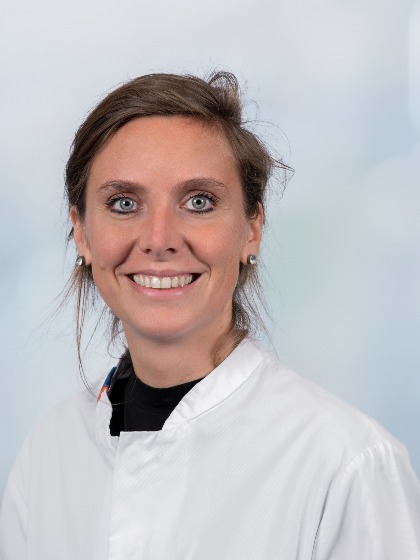
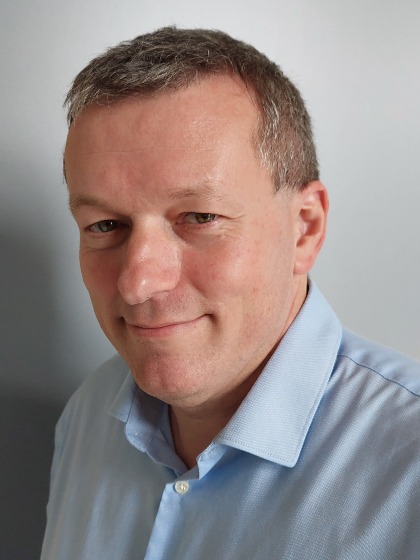
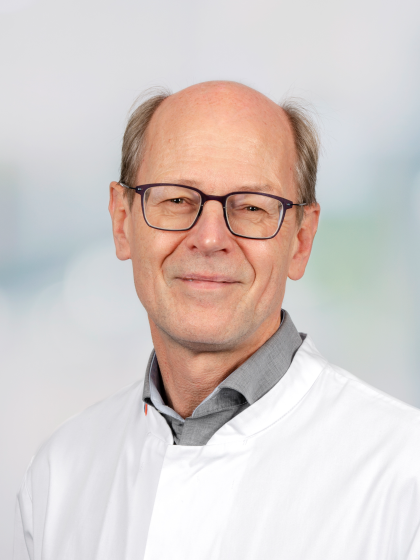
Dr. Paola Mian is a Clinical Professor at the University of Groningen's Faculty of Medical Sciences, specializing in clinical pharmacology. Her work focuses on perinatal and pediatric pharmacology, pharmacometrics, and special populations. She holds a PharmD and PhD, contributing to therapeutic drug monitoring and precision dosing research. Education: PharmD and PhD in Pharmacology. Research interests include pediatric pharmacokinetics, population-PKPD modeling, and drug exposure optimization in critically ill children and cystic fibrosis patients. Her recent studies emphasize drug interactions in special populations, such as lactating women and transplant recipients. Publications highlight advancements in cystic fibrosis therapeutics, pediatric analgesia, and anticoagulant drug effects. She is an editorial board member for the Dutch Children’s Formulary and NPFO, and actively contributes to clinical guidelines for medicinal use during pregnancy. No grants or awards explicitly listed. She advises on clinical pharmacy practices and collaborates with multidisciplinary teams on translational research.
Renata Brandt is a researcher at Erasmus MC in the Molecular Genetics school. Her work focuses on DNA repair mechanisms, dietary restriction, and aging-related pathologies in progeroid mice models. Key research themes: DNA repair, accelerated aging, vascular biology, and metabolic interventions Affiliated with Erasmus MC's Molecular Genetics department Her recent studies explore: Dietary modulation of vascular aging and cGAS-STING pathway activation Protein intake effects on transcriptional decline and lifespan Muscle growth promotion in DNA repair-deficient models Radiobiological responses in meningioma spheroids
Irene van den Broek is an Assistant Professor at the College of Pharmaceutical Sciences , Utrecht University , within the Chemical Biology and Drug Discovery department. She combines academic roles with freelance data visualization work. Teaches Bioanalysis (Bachelor's level) Supervises students in academic writing and intervision Develops interactive R Shiny applications for citizen science projects Her research focuses on: Bioanalysis techniques Quantified Self health tracking Data Visualization for health & environmental data Wearable Devices integration (Ōura Ring, RescueTime) Key article trends include environmental monitoring ( Onze Lucht , Was het Donker? ) and personal health analytics using R packages like echarts4r and reactable . Projects emphasize interactive web visualization and citizen science applications. She provides: Academic writing guidance Tutoring frameworks for student intervision Workshops on scientific communication Key projects include: Onze Lucht (air quality heatmaps) Was het Donker? (light pollution visualization) Ōura Ring Analysis (sleep/activity metrics)
Peter Horvatovich is a Full Professor in Computational Mass Spectrometry and Head of the Department of Analytical Biochemistry at the University of Groningen. He holds affiliations with the Groningen Research Institute of Pharmacy (GRIP) and leads the Interfaculty Mass Spectrometry Center. His roles include Secretary General of the Chromosome-Centric Human Proteome Project (C-HPP) and PI for Chromosome 5 research, as well as Program Leader of the Medicinal Chemistry and Bioanalysis (MCB) program. Education: PhD in Analytical Chemistry (2001, Louis Pasteur University & Szent István University), MSc in Physical Chemistry (1997, Louis Pasteur University), and BSc in Environmental Analytical Chemistry (1996, Eötvös Loránd University). Research focuses on computational mass spectrometry, proteogenomics, and biomarker discovery. Key areas include data integration for LC-MS-based proteomics, cancer biomarkers (e.g., melanoma), and extracellular matrix analysis in COPD. He develops tools like PASTAQ for MS data quantification and collaborates on projects like the European Cancer Moonshot Lund Center. Teaching includes biostatistics and proteomics courses for pharmacy and master’s students. He supervises PhD and master’s students in proteomics, bioinformatics, and analytical chemistry. Notable projects involve lung tissue proteogenomics, head/neck cancer protein profiling, and chemoproteomic studies of glycation end-products. Labs/Teams: Leads the Horvatovich Lab, collaborates with the European Cancer Moonshot Lund Center, and manages the Interfaculty Mass Spectrometry Core Facility. Active in open-source software development (GitHub: HorvatovichLab).
Prof. D.J. (Daan) Touw is a Professor of Bioanalysis, Therapeutic Drug Monitoring, and Clinical Toxicology at the University of Groningen's Faculty of Science and Engineering. He serves as Head of the Laboratory of Clinical Pharmacy and Pharmacology at the UMCG. His expertise spans clinical pharmacology, toxicology, and hospital pharmacy, with roles including European Registered Toxicologist (ERT) and membership in national/international committees like the Dutch Working Party Antibiotic Policy and European Pharmacopoeia Expert Groups (Water & Dialysis). Education: MSc in Pharmacy from Leiden University (1984), PhD in Pharmacokinetics (1996) under Prof. D.D. Breimer. Career milestones include roles as Head of Clinical Pharmacy Labs at VU Amsterdam (1995–2000) and Haagse Ziekenhuizen (2000–2013). Research: Focuses on pharmacokinetics, bioanalysis, and clinical toxicology. Key interests include optimizing antibiotic therapy in cystic fibrosis, toxicology of emerging drugs (e.g., 'tranq'), and pharmacogenetic guidelines for statins/sulfonylureas. Awards: Recipient of national teaching awards for 'Best First-Year Course' (2022–2024) and NVKC abstract prize (2025). Active in public engagement, addressing media on drug trends (e.g., tranq, counterfeit pills). Teaching: Leads courses in Pharmacokinetics, Clinical Toxicology, and Hospital Pharmacy. Supervises advanced pharmacokinetics training and coordinates clinical toxicology education.
Prof. Sabeth Verpoorte is a Professor at the University of Groningen's Faculty of Science and Engineering, affiliated with Pharmaceutical Analysis and Medicinal Chemistry and Bioanalysis (MCB) at the UMCG. She leads the Graduate School of Science and Engineering and chairs multiple scientific advisory boards. Her research focuses on microfluidics, lab-on-a-chip systems, and organ-on-a-chip models for biomedical applications. Education: Doctorate in Chemistry (not explicitly stated in texts, inferred from academic rank and roles). Research Interests: Microfluidic device development, organ-on-a-chip technology for disease modeling, analytical chemistry in biomedical systems, and drug delivery systems. Her work spans interdisciplinary collaborations in engineering, chemistry, and medicine. Articles Overview: Recent studies include electrochemical flow reactors, SERS-based biosensors, and liver toxicity analysis. Her articles bridge microfluidics with clinical applications, emphasizing in vitro models for drug testing and disease mechanisms. Awards: Recognized as a Fellow of the European Alliance for Medical and Biological Engineering (2018), Society for Laboratory Automation (2018), and Royal Society of Chemistry (2004), plus a ZonMw Neuro-Chip grant (2017). Grants & Advising: Secured major grants like Neuro-Chip. Supervised interdisciplinary projects on mitochondrial transplantation and neurobiology. Active in graduate education as Graduate School Director. Labs/Teams: Leads labs developing organ-on-a-chip systems and collaborative projects with industry partners like Seyonic SA. Key facilities include microfabrication labs and analytical chemistry platforms.
Dr. Frits Flesch is an Assistant Professor at Utrecht University's Faculty of Science, affiliated with the Department of Chemical Biology and Drug Discovery. His research focuses on Analytical Chemistry, Bioanalysis, Biochemistry, and Life Sciences, with additional expertise in educational professionalization (ICT/teaching). He holds a PhD from Utrecht University (2000) where his thesis explored sperm plasma membrane dynamics. Research interests span: Analytical Method Development : Electrochemical affinity measurements, HPLC, and atomic force microscopy for biological interactions. Drug Discovery : Lectin binding mechanisms, nanocarrier systems for drug delivery, and biomarker analysis. Biochemistry : Membrane biology, enzyme kinetics, and glycobiology. His publications (27+) emphasize interdisciplinary approaches, with recent work in electrochemical biosensing (2023) and microbial adhesion (2021). Earlier contributions include drug delivery systems (micelles, nanogels) and clinical toxicology.
Daan Touw is a Professor at the University of Groningen, affiliated with the Faculty of Medical Sciences/UMCG and the Medicinal Chemistry and Bioanalysis (MCB) department. His roles include leadership in Pharmaceutical Analysis (Faculty of Science and Engineering) and multiple interdisciplinary research groups such as the Groningen Research Institute for Asthma and COPD (GRIAC). He holds expertise in Bioanalysis, Pharmacokinetics, Pharmacometrics, and Toxicology, contributing to UN Sustainable Development Goals related to health and well-being. Research interests focus on therapeutic drug monitoring, cystic fibrosis treatment optimization, and toxicological analysis. Key collaborations span forensic biology (e.g., tooth/nail sample profiling) and clinical drug metabolism studies. He has supervised 13 academic works and received awards like the 'Beste Eerstejaarscursus' (2022-2024) for educational contributions. His recent publications (592 total) address topics from antibiotic inhalation in cystic fibrosis to economic evaluations of chelation therapy in kidney transplant recipients. Daan Touw actively engages in public outreach, warning about dangerous drugs like 'tranq' through media contributions (e.g., Oog Radio/TV interviews), and chairs academic events like ICT2022. His lab work integrates clinical, analytical, and translational research, with datasets on amanita intoxications and therapy outcomes publicly available on platforms like figshare.
Dr. Isabelle Kohler is an Assistant Professor at the Faculty of Science, Department of Chemistry and Pharmaceutical Sciences at Vrije Universiteit Amsterdam (VU) and also affiliated with AIMMS (Amsterdam Institute of Molecular and Life Sciences). Her research focuses on the intersection of bioanalysis, metabolomics, and forensic/clinical toxicology. Her major research interests include the development of state-of-the-art mass spectrometry-based approaches for analyzing metabolites in complex biological fluids and tissues, with applications in clinical and forensic settings. Dr. Kohler's work particularly emphasizes pharmacokinetics and toxicokinetics of drugs and pharmaceutical compounds, as well as novel analytical approaches based on metabolomics. Dr. Kohler's publications demonstrate a strong trend toward understanding lipid metabolism, endocannabinoid systems, and their relationships with cardiometabolic health. Her recent work has focused on exercise physiology, cardiovascular disease risk factors, and forensic toxicology applications of advanced mass spectrometry techniques. Swiss Young Researcher Award in Analytical Chemistry from the Center of Expertise in Analytical Chemistry and Toxicology Nominated for Leiden University Faculty of Sciences Teaching Award (2018) Dr. Kohler actively supervises PhD students and is involved in teaching activities, including the Masters Chemistry track Analytical Sciences (a joint degree program between VU and University of Amsterdam), Drug Discovery and Safety, and Forensic Sciences. She obtained her University Teaching Qualification (Basiskwalificatie Onderwijs, BKO) in 2019. She serves as Secretary for the Dutch Society for Mass Spectrometry (NVMS), the International Mass Spectrometry Conference 2022 (IMSC2022), and the Society for Microscale Separations and Bioanalysis (SMSB).
Dr. Javier Sastre Torano is an Assistant Professor in the Department of Chemical Biology and Drug Discovery at Utrecht University's Faculty of Science. He leads the Analytical Glycoscience Group and specializes in advanced analytical techniques for glycan analysis. His research focuses on addressing key challenges in glycomics, particularly the accurate determination of glycan structures and their quantification. Dr. Sastre Torano completed his doctoral studies at Utrecht University, defending his thesis "Analysis of Glycans by Electrophoretic Approaches: Highly Sensitive Capillary Electrophoretic Separation and Ion Mobility-Mass Spectrometric Structure Assignment" in 2020. His academic background is in analytical chemistry, with a strong focus on developing innovative methodologies for complex biomolecule analysis. His research interests span multiple areas of analytical science with emphasis on glycomics . Dr. Sastre Torano specializes in: Advanced glycan structural analysis Ion mobility spectrometry applications Mass spectrometry for biomolecular characterization Capillary electrophoresis techniques Pharmaceutical and bioanalytical method development His publication record demonstrates a consistent focus on developing and applying cutting-edge analytical techniques for glycan characterization. His work particularly emphasizes the integration of ion mobility with mass spectrometry to solve challenging problems in glycomics, including isomer differentiation and structural assignment of complex carbohydrates. Recent publications show increasing sophistication in analytical approaches for glycan analysis, with applications spanning pharmaceutical development, disease biomarker discovery, and fundamental glycoscience. Dr. Sastre Torano is actively involved in teaching within the College of Pharmaceutical Sciences, contributing to both bachelor's and master's programs in Pharmacy and Drug Innovation. He leads the Analytical Glycoscience Group, which focuses on developing novel analytical methodologies for glycan characterization. The group's work bridges analytical chemistry, biochemistry, and pharmaceutical sciences, with applications in drug development and disease biomarker discovery.
Prof. Dr. N.C. van de Merbel is an Honorary Professor in Industrial Bioanalysis at the University of Groningen's Faculty of Science and Engineering, affiliated with the Analytical Biochemistry department within the Groningen Research Institute of Pharmacy. He also serves as Scientific Director at PRA International's bioanalytical laboratory. His research focuses on mass spectrometry, liquid chromatography, and regulated bioanalysis, with expertise in developing advanced analytical methods for pharmaceutical and biomedical applications. His work spans bioanalysis of therapeutic proteins, drug metabolism, and biomarker detection, utilizing cutting-edge techniques like LC-MS/MS. Recent studies include investigations into hormone regulation (e.g., SHBG and growth hormone isoforms), protein stability (e.g., trastuzumab and pertuzumab), and antibody-drug interactions. His contributions bridge fundamental research and clinical/industrial applications, emphasizing method development for accurate quantification and characterization of biomolecules. Prof. van de Merbel collaborates extensively in drug development and regulatory science, addressing challenges in bioanalytical methodologies. His lab supports preclinical and clinical studies, ensuring robust analytical platforms for biopharmaceuticals and biomarkers.
Stefanie de Boer is a Researcher at the Faculty of Medical Sciences , University of Groningen, specializing in Medicinal Chemistry and Bioanalysis . Her work intersects cardiovascular disease, diabetes, and oncology, with a focus on Positron Emission Tomography and Atherosclerosis progression in diabetic patients. She received the Frans J Th Wackers Award for Best Clinical Paper in 2020. Her recent publications address quality of life in lung cancer patients, radiation therapy risks in breast cancer, and metabolic imaging in diabetes. Expertise in Type 2 Diabetes Mellitus and Atherosclerosis Active in Lung Cancer and Breast Cancer clinical outcomes Key contributor to PET Imaging and Metabolic Syndrome research Notable scientific award : Frans J Th Wackers Award for Best Clinical Paper (2020). Her research output includes 17 publications, with recent work focusing on [18F]FDG and [18F]NaF as imaging biomarkers, and clinical applications of radiation therapy in oncology.
Jos G.W. Kosterink serves as a Professor at the University of Groningen, holding dual affiliations with the Faculty of Science and Engineering and the Faculty of Medical Sciences/University Medical Center Groningen (UMCG). He leads the Biopharmaceuticals, Discovery, Design and Delivery (BDDD) research group within the Department of PharmacoTherapy, Epidemiology and Economics. Since January 2019, he has directed the Groningen University Institute for Drug Exploration (GUIDE), a Graduate School of Medical Sciences initiative. Professor Kosterink's research spans multiple critical areas in clinical pharmacology, with particular expertise in Pharmacokinetics (100% fingerprint match), Therapeutic Drug Monitoring (55%), and specialized applications in Multi-Drug-Resistant Tuberculosis (37%), Neoplasm treatment (35%), and Inflammatory Bowel Disease (24%). His work consistently addresses real-world medication challenges, focusing on optimizing drug therapy through precise monitoring and innovative delivery systems. Recent publications demonstrate his leadership in translating pharmacological research into clinical practice across infectious disease, oncology, and transplantation medicine. His 2025 publications reveal strong trends in personalized dosing strategies, with significant contributions to tuberculosis treatment optimization, oncology pharmacoeconomics, transplant immunosuppression monitoring, and advanced bioanalytical methods. These works collectively address medication safety, cost-effectiveness, and therapeutic precision across multiple disease states. NVZA Medication Safety Award (Specialistische Farmaceutische Patientenzorg), 2009 Beste English publication NVZA, 1996 Professor Kosterink actively supervises research through GUIDE and has directed 21 supervised works. His external leadership roles include chairing the Hospital Pharmacies University Hospitals organization and serving on the Temporary Committee Managing Patient Registries for Expensive Drugs (ZINL). His media presence demonstrates strong engagement with public discourse on medication pricing, drug shortages, and clinical implementation challenges, with 17 press/media contributions between 2022-2024. As Director of GUIDE, he oversees a significant research infrastructure focused on accelerating drug discovery and development, particularly in oncology and infectious disease. His collaborative network spans national and international institutions, with recent external collaborations across multiple countries reflecting the global relevance of his pharmacotherapeutic research.
Dr. I.A. (Irene) Retmana is a PhD Candidate at the Faculty of Science , Pharmacology department of Utrecht University . Her research focuses on pharmacokinetics and bioanalysis of covalent kinase inhibitors, particularly KRASG12C inhibitors like adagrasib, sotorasib, and opnurasib. Key research areas : Validation of LC-MS/MS and HPLC-MS/MS methods for drug quantification Role of CYP3A enzymes and ABCB1 transporters in drug metabolism Biotransformation of targeted covalent kinase inhibitors in murine models Publication trends : Development of chromatographic bioanalytical assays (2021-2024) Pharmacokinetic studies on KRASG12C inhibitors (2021-2023) Thesis work on LC-MS/MS bioanalysis and drug metabolism (2024)
Igor Sweet is a Junior Assistant Professor in the Faculty of Science at Utrecht University , affiliated with the Chemical Biology and Drug Discovery department. His research focuses on analytical chemistry, chemical biology, and bioanalysis within the Life Sciences domain. Key research areas: Glycobiology, Influenza virus interactions, Drug discovery, and Microfluidic systems Publications highlight expertise in glycan analysis, fucosylation inhibition, and viral receptor dynamics. Recent work includes fluorinated fucose derivatives for influenza research and intestinal chip modeling. Involved in teaching Pharmacy (bachelor and master) and Therapeutic Proteins courses.