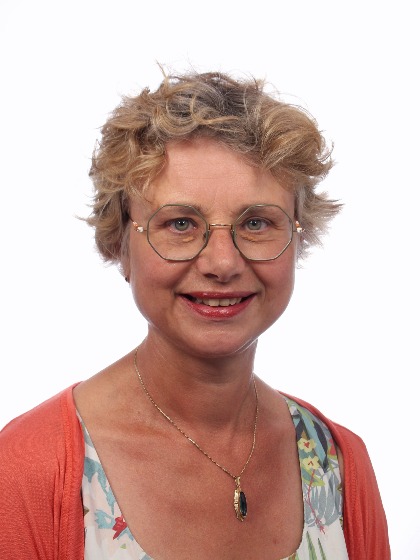
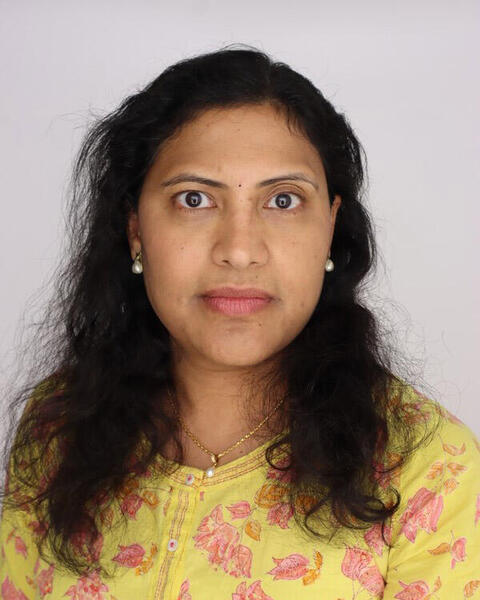
Prof. Barbara Bakker is a Full Professor of Medical Systems Biology at the University of Groningen (RUG) and University Medical Centre Groningen (UMCG), affiliated with the Faculty of Medical Sciences. She holds academic positions including Associate Professor at VU University Amsterdam and was a Rosalind Franklin Fellow. Her expertise spans systems biology of metabolic networks, computational models, and metabolic disease research. Education: MSc in Biochemistry (University of Amsterdam, 1994 cum laude) and PhD in Biology (VU University Amsterdam, 1998 cum laude). Postdoctoral research included stints at the Christian De Duve Institute (Brussels), Delft University of Technology, and Biozentrum Frankfurt. Research focuses on metabolic disease mechanisms, computational modeling, fluxomics, and metabolomics. Projects include the Recon4IMD initiative to address inherited metabolic diseases and collaborations in systems medicine. She teaches Metabolism courses and supervises research projects for students in Biology, Medicine, and MMIT. Key achievements include the Rosalind Franklin Fellowship (2009) and contributions to high-impact studies on heart failure, malnutrition, and metabolic pathways. Active in interdisciplinary teams and initiatives like United for Metabolic Diseases.
B. Paige Lawrence, Ph.D., is a Professor and Chair of Environmental Medicine at the University of Rochester School of Medicine, with joint appointments in Microbiology & Immunology. Her research focuses on how environmental exposures, including pollutants and pharmaceuticals, impact immune system function and development. She holds the Wright Family Research Professorship and has led the Environmental Health Sciences Center since 2019. Dr. Lawrence earned her B.A. in Biology and Chemistry from Skidmore College (1986) and her Ph.D. in Biochemistry, Molecular and Cell Biology from Cornell University (1993). She completed postdoctoral training in Immunology and Toxicology at Oregon State University. Her research spans three key areas: 1) Aryl Hydrocarbon Receptor (AHR) signaling and immune modulation, 2) Effects of environmental chemicals (PFAS, PCBs) on infectious, autoimmune, and allergic diseases, and 3) Transgenerational impacts of early-life exposures on immune responses. She employs mouse models, toxicological assays, and genomic approaches to dissect environmental-immune interactions. Recent work highlights PFAS exposure's role in infant T cell development, AHR-driven CD8+ T cell dysfunction, and the dual roles of AHR in viral immunity. Over 150 peer-reviewed articles and book chapters reflect her contributions to immunotoxicology and environmental health. Awards: Outstanding Senior Investigator (2021), SOT Fellow (2019), Wright Family Professorship (2019) Grants: NIH-funded projects on AHR signaling and developmental immunotoxicity Labs: Leads the Lawrence Lab, collaborating with the Institute for Human Health and the Environment Dr. Lawrence serves on editorial boards for Toxicological Sciences and other journals, and actively mentors trainees in toxicology and immunology.
Dr Gae Ellison is a Research Fellow at Curtin University, affiliated with the School of Molecular and Life Sciences within the Faculty of Science and Engineering. Her portfolio includes roles in the Office of the Provost and the Curtin Medical Research Institute (Curtin MRI). Ellison’s research focuses on neuro-metallomics, insulin signaling pathways, and metabolic disorders. Her work integrates advanced imaging techniques like X-ray fluorescence microscopy with biochemical analyses to study brain metallomics and metabolic dysfunction. Her research interests span neurodegenerative mechanisms, metabolic syndrome, and epigenetic drug interactions. Notably, she explores how dietary factors (e.g., high-fat diets) and microbiota-derived metabolites (e.g., butyrate) impact insulin signaling and metabolic pathways. Her recent studies highlight the role of copper and iron speciation in aging brains and the development of functional biosensors for drug monitoring. Ellison’s publications reflect interdisciplinary collaborations, with contributions to journals like ACS Chemical Neuroscience , Metallomics , and Diabetes Obesity and Metabolism . Her work bridges fundamental science with translational applications, including therapeutic strategies for metabolic disorders and neurodegenerative diseases. Her research group at Curtin MRI focuses on integrating metallomic profiling, epigenetic analyses, and metabolic modeling to address complex biological systems. Ellison’s studies emphasize the interplay between metal ion homeostasis, inflammation, and metabolic dysregulation in aging and disease.
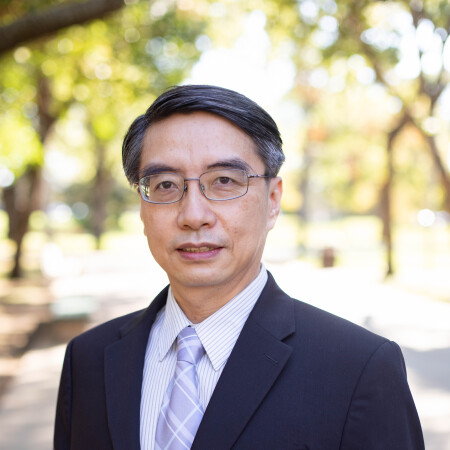
Zhenyu Xuan is an Associate Professor in the Department of Biological Sciences at the University of Texas at Dallas (UTD), part of the School of Natural Sciences and Mathematics. His research focuses on developing computational methods to analyze cancer genomics data and understand carcinogenesis mechanisms. He holds a Ph.D. in Bioinformatics from the Chinese Academy of Sciences (2000) and a B.S. in Theoretical Physics from Nanjing University (1995). Professional preparation includes postdoctoral fellowships at Cold Spring Harbor Laboratory (2000–2010) before joining UTD in 2010. Research interests span systems biology approaches to high-throughput data, including NGS and microarray analysis, with applications in cancer genomics, epigenomics, and infectious disease pathways. Recent work explores mechanisms linking mitochondrial dysfunction to Alzheimer’s disease, PRC2 heterogeneity in medulloblastoma, and computational drug-target prediction. Awards include the Di Ao Award (2000) and Second Yi Li Da Prize (1996) from the Chinese Academy of Sciences. His lab investigates transcriptional regulation, viral pathogenesis, and cellular signaling networks. He has contributed to projects such as CoreBoost_HM promoter prediction and TargetLink miRNA target identification. Active in collaborative research, he has published over 100 peer-reviewed articles spanning computational biology, genomics, and systems biology.
Robert C. Huebert, M.D., is a Professor of Medicine and Associate Professor of Regenerative Medicine at Mayo Clinic, where he serves as a Consultant in the Division of Gastroenterology and Hepatology and Director of the Transplant Research Center since 2023. His work bridges clinical hepatology and cutting-edge regenerative research, focusing on cholangiopathies and liver fibrosis. Ph.D. in Biochemistry and Molecular Biology, University of Minnesota Duluth M.D., University of Minnesota Medical School, Twin Cities Residency and Fellowship training at Mayo Clinic, including Advanced Fellowship in Transplant Hepatology Board Certified in Gastroenterology and Transplant Hepatology Dr. Huebert's research centers on liver regenerative medicine, particularly the molecular and epigenetic mechanisms driving biliary development, fibrosis, and repair. His lab pioneered methods to derive cholangiocytes from induced pluripotent stem cells (iPSCs), enabling patient-specific disease modeling and drug testing. This technology supports the Liver Biobank, a biorepository of patient-derived iPSCs developed in collaboration with the Mayo Clinic Regenerative Medicine Biotrust. His long-term goal is to develop cell-based therapies for cholangiopathies, having demonstrated in vivo engraftment of stem cell-derived cholangiocytes. His recent publications highlight advances in cholangiocyte biology, liver fibrosis mechanisms, bioengineered livers, and iPSC modeling. Themes include epigenetic regulation in primary sclerosing cholangitis, metabolic control of fibrogenesis via hepatic stellate cells, and microencapsulation strategies for cell therapy. These works reflect a strong translational trajectory toward regenerative therapeutics. Scientific awards and recognitions include: Gilead Sciences Research Scholars Award in Liver Disease (2016) NIH K08 Career Development Award (2013) Postdoctoral Scholar Award, Regenerative Medicine Minnesota (2015) Young Investigator of the Year, Hartz Foundation (2009) Research Pipeline K2R Transition Award, Mayo Clinic (2018) Multiple awards from NIH Loan Repayment Program Dr. Huebert leads NIH-funded projects on cholestatic fibrogenesis and epigenetic regulation in liver disease. He mentors trainees and collaborates widely across regenerative medicine, gastroenterology, and transplantation. He is actively involved in professional societies including AASLD and EASL, and serves on editorial and leadership committees at Mayo Clinic, including the Institutional Animal Care and Use Committee and the Center for Individualized Medicine. His laboratory, the Biliary Epigenetics and Regenerative Medicine Laboratory, is a hub for innovation in liver disease modeling and therapy development, supported by core facilities and collaborative networks at Mayo Clinic.
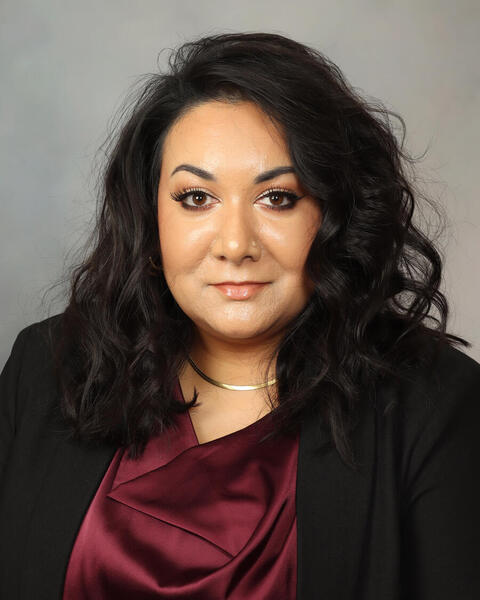
Naureen Javeed, Ph.D. , is an Assistant Professor in the Department of Physiology & Biomedical Engineering at Mayo Clinic, Rochester, MN. She holds a primary appointment as Associate Consultant I and an administrative appointment in the Division of Endocrinology, Diabetes, Metabolism, and Nutrition within the Department of Internal Medicine. Department: Physiology & Biomedical Engineering School: College of Medicine and Science Institution: Mayo Clinic Email: javeed.naureen@mayo.edu Dr. Javeed's research centers on the role of extracellular vesicles (EVs) in diabetes pathogenesis, particularly how β-cell-derived EVs contribute to dysfunction in both type 1 and type 2 diabetes. Her lab investigates EV-mediated cellular communication, stress responses, and the potential of EVs as early biomarkers for β-cell decline. Her recent publications highlight work on lipotoxicity, circadian regulation in β-cells, EV-based tissue protection, and methodological standards in EV research. These studies reflect a multidisciplinary focus on molecular mechanisms, intercellular signaling, and translational applications in metabolic and age-related diseases. Dr. Javeed is the Principal Investigator on an active NIH-funded project (2021–2025) exploring the role of small extracellular vesicles in type 1 diabetes. Her research has been widely recognized, with publications picked up by news outlets, blogs, and referenced in Wikipedia. She collaborates extensively with experts in diabetes and regenerative medicine, including Dr. Aleksey Matveyenko. Her lab contributes to core research facilities and participates in training programs at Mayo Clinic.
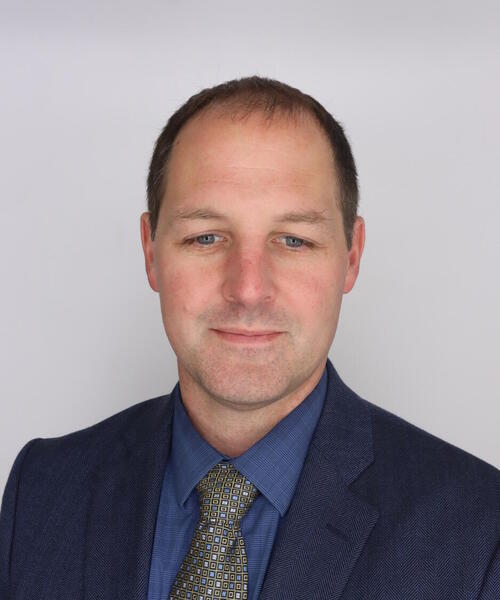
Krishna R. Kalari, Ph.D., is an Associate Professor in Biomedical Informatics at the Mayo Clinic. She holds a primary appointment as a Consultant in the Division of Computational Biology within the Department of Quantitative Health Sciences. Her research focuses on systems pharmacology approaches to investigate cancer genomics and drug response mechanisms, integrating genomic data with computational models. Education : Ph.D. - Biomedical Engineering, University of Iowa BS - Electronics Engineering, Institute of Engineers Diploma - Computer Engineering, State Board of Technical Education, Andhra Pradesh Research Interests : Dr. Kalari develops algorithms to identify genomic pathways linked to cancer and drug response. Her work combines machine learning, computational genomics, and pharmacokinetic modeling to uncover druggable targets in breast cancer and Alzheimer's disease. Recent projects include modeling synergistic effects of insulin resistance and amyloid-beta in Alzheimer's pathology. Awards : Eveleigh Family Career Development Award (2011-2013) International Society for Computational Biology Award (2008, 2011) Grants & Projects : Currently leads a National Institute on Aging-funded project (CRCNS) applying deep learning to neurovascular disruptions in Alzheimer's. Collaborates widely on genomic and pharmacogenomic studies across cancer and neurological disorders. Labs & Teams : Active in the Mayo Clinic Comprehensive Cancer Center and the Molecular Pharmacology and Experimental Therapeutics Research team.
Malin Flodström-Tullberg is a Professor at Karolinska Institutet's Department of Medicine, Huddinge, leading a research group focused on the etiology of type 1 diabetes and cystic fibrosis. Her work explores viral triggers (e.g., enteroviruses), host immune responses, and non-invasive biomarker discovery. She collaborates globally with institutions including the University of Exeter, Rockefeller University, and the University of Helsinki. Her research integrates virology, immunology, and molecular biology to develop enterovirus vaccines and antivirals. Key interests include: Role of microbial diversity in autoimmune disorders Interferon signaling in pancreatic beta cell damage CFTR-related immune dysfunction in cystic fibrosis She mentors PhD students and postdoctoral fellows, with 28+ past trainees contributing to virology and diabetes research. Her group secured grants like the EU-funded ENTEROVIRUS-LINKED TYPE 1 DIABETES EXPOSED project. Lab activities include proteomic studies of extracellular vesicles and preclinical vaccine testing. No major scientific awards are documented.
Kim Kats is an active researcher contributing to fields such as endoplasmic reticulum stress, mitochondrial biology, and neuroinflammatory diseases. Their work spans diabetes research, multiple sclerosis pathology, and pediatric malnutrition studies. Key Collaborations : University of Groningen (Giepmans Lab), University of Edinburgh (Baron Lab), University of Malawi College of Medicine Research Themes : Cell stress mechanisms in beta cell dysfunction and diabetes Neuroinflammatory pathways in multiple sclerosis Mitochondrial-peroxisomal interactions in malnutrition Publication Trends : Recent work focuses on zebrafish models for pancreatic stress (2025), TNFR2-targeted therapies in MS (2025), and malnutrition-associated metabolic alterations (2024). Earlier studies (2023) examine ultrastructural changes in MS white matter. Scientific Impact : Peer-reviewed publications with open access High citation rates for MS and metabolic stress studies Global Health Contributions : Research on Malawian pediatric malnutrition highlights metabolic organelle dysfunction in low-resource settings.
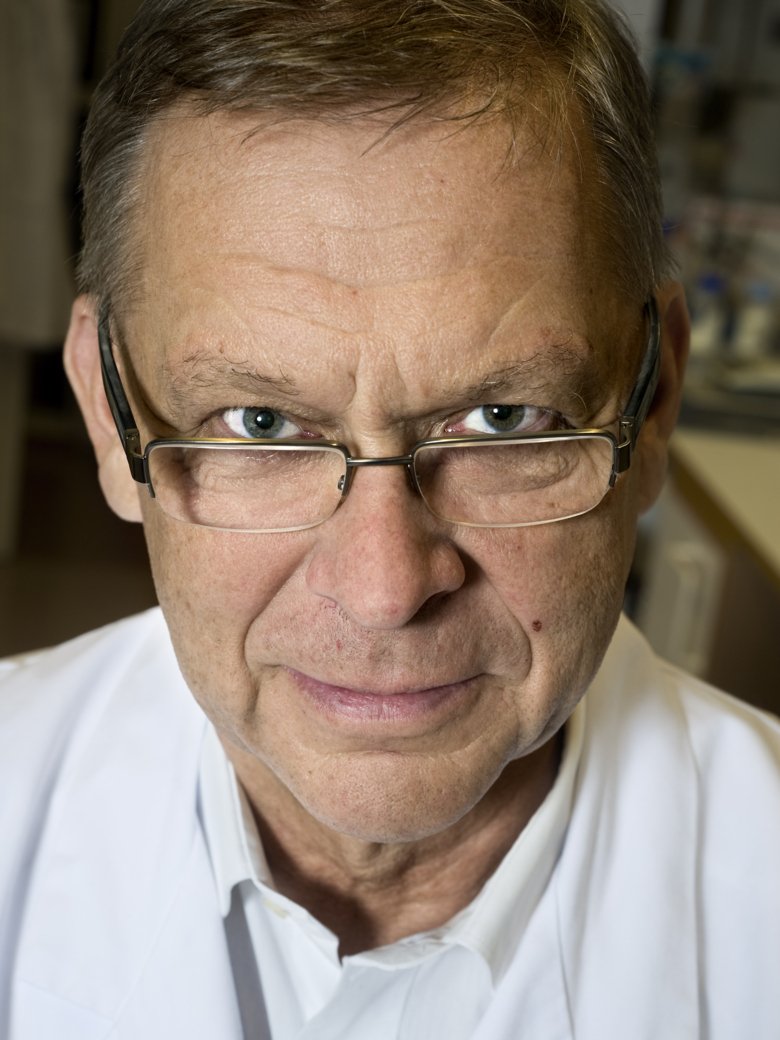
Bengt Winblad is a Professor of Geriatrics at the Department of Neurobiology, Care Sciences and Society (NVS), Karolinska Institutet, where he also serves as a senior professor and leads research in neurogeriatrics. He holds a combined position as chief physician at Karolinska University Hospital, Huddinge, and is a member of the Nobel Assembly at Karolinska Institutet since 1988. He is also an honorary professor at Peking University, China. His research primarily focuses on clinical evaluations and treatments of dementia, especially Alzheimer's disease , with extensive work in epidemiological, genetic, pathological, and biochemical aspects. He has published over 700 articles and supervised more than 150 doctoral students, making him a leading figure in dementia research. His work spans biomarker development, disease-modifying therapies, healthcare economics, and population-based studies. Recent publications highlight his leadership in blood-based biomarkers , cost-effectiveness of Alzheimer's treatments , glycan biomarkers , and immunotherapies . His articles consistently appear in top journals such as Nature Medicine , Alzheimer's & Dementia , and The Lancet Neurology , indicating sustained high-impact research output. His scientific awards include the Nordic Prize in Gerontology (2002) . He has been instrumental in major international collaborations and consortia, including the IPECAD modeling framework and the MOPEAD project. His research group, affiliated with Lars Tjernberg, continues to explore molecular mechanisms of neurodegeneration, particularly focusing on tau and amyloid pathways, synaptic dysfunction, and predictive biomarkers.
Yue Huang is an Assistant Professor and Principal Investigator in the Division of Genetics and Genomics at Boston Children's Hospital, affiliated with Harvard Medical School. His research focuses on computational genomics and the role of somatic mutations in human development, aging, and neurodegenerative diseases. BS in Biological Science, Peking University PhD in Bioinformatics, Peking University Postdoctoral Training, Boston Children's Hospital and Harvard Medical School Dr. Huang's research centers on computational genomics , particularly somatic mosaicism in non-cancer contexts. He investigates how postzygotic mutations accumulate in tissues like the brain and heart during aging and contribute to diseases such as Alzheimer’s, autism, and epilepsy. His work integrates single-cell sequencing , bioinformatics tool development , and functional genomics to uncover mutation patterns and their biological impacts. His recent publications reveal trends in neurogenetics and aging , with a focus on identifying somatic variants in neurons and cardiomyocytes. These studies utilize advanced sequencing and computational methods to link mosaic mutations to neurodegeneration and cardiovascular aging, highlighting the role of oxidative stress and DNA repair deficiencies. Dr. Huang's scientific contributions include the development of MosaicHunter and MosaicBase , widely used tools in the field. His research is supported by prestigious grants from the NIH/NIA , NIH/NHLBI , Alzheimer's Association , and Boston Children’s Hospital . He mentors a research team focused on genomic instability and its implications for human health. His lab employs cutting-edge technologies including single-cell multi-omics and deep sequencing to explore cell lineage, mutation burden, and disease mechanisms in the brain and other organs.
Prof. Dr. Martin Korte is a faculty member at the Technische Universität Braunschweig , serving as Professor of Cellular Neurobiology and Director of the Zoological Institute . Since 2012, he has led the Neuroinflammation and Neurodegeneration research group at the Helmholtz Centre for Infection Research , bridging infection biology with neurodegenerative disease mechanisms. PhD in Signaling Systems at Hippocampal Synapses from the Max Planck Institute for Neurobiology Research focus: Synaptic plasticity, neuroinflammation in Alzheimer's disease, and infection-induced neurological impairments Methodological expertise: Neurophysiology, in vivo models, metabolomics, and neuroimaging His work systematically explores how viral infections (e.g., H7N7, H1N1) alter neuroinflammatory states, demonstrating mechanisms like immune challenge effects on noradrenergic systems and protective roles of interventions such as IL-37 expression or influenza vaccination. He investigates metabolite-based therapies (e.g., itaconate, OLT1177) for neuroinflammation and maintains critical contributions to understanding synaptic dysfunction in genetic models (APP/APLP families, Fragile X syndrome). Recent publications highlight his role in: Elucidating BDNF-inflammatory protein interactions via Mendelian randomization Establishing sex-specific neuroinflammatory responses to viral infections Advancing metabolic immunomodulation for Alzheimer's Linking digital media use to brain plasticity in his 2020 Dialogues in Clinical Neuroscience article
Ismael Valladolid Acebes is a Researcher at the Department of Molecular Medicine and Surgery , Karolinska Institutet, specializing in signal transduction mechanisms within pancreatic beta-cells. His work focuses on understanding how glucose metabolism and receptor-operated signaling pathways regulate insulin secretion and beta-cell function, contributing to diabetes research and therapeutic strategies. Collaborates with international institutions, including the Diabetes Research Institute (USA), Pohang University of Science and Technology (South Korea), and Singapore Eye Research Institute. Research explores metabolic stressors, beta-cell dysfunction, and translational approaches for diabetes treatment. Teaching emphasizes the intersection of metabolic disorders (obesity, diabetes) and neurological processes, integrating research into education.
Dr. Regina Menezes Echaniz is a researcher at the School of Health Sciences and Technologies, specializing in molecular biology and pharmacology with a focus on diabetes and nutritional genomics. She leads multiple active projects including: Targeting β-cell dysfunction as a therapeutic strategy for diabetes Exploring plant-derived metabolites for diabetes prevention CHRONOnutrition & FunctIonal movement for sustainable Type 2 Diabetes remission Her research spans: Multi-omics approaches to diabetes biomarkers Mechanisms of polyphenol action Gene expression profiling in metabolic disorders Nutritional interventions for cardiovascular risk Recent publications highlight her work on: Plant metabolites for diabetes management Alpha-synuclein toxicity in neurodegenerative diseases Personalized dietary strategies in Lusophone settings
Lucas Pozzo-Miller is a Professor in the Department of Neurobiology at the University of Alabama at Birmingham (UAB), with additional affiliations in Cell, Developmental and Integrative Biology; Psychology; and Neurology. His research focuses on neurodevelopmental disorders, particularly Rett syndrome, autism spectrum disorders, and Alzheimer's disease, examining synaptic plasticity, neuronal circuitry, and molecular mechanisms. 1986-1989: Biology PhD from Universidad Nacional de Córdoba, Argentina 1990-1992: Postdoctoral training at Case Western Reserve University 1992-1995: Postdoctoral work at Roche Institute of Molecular Biology 1998-present: Faculty member at UAB His research examines: Methyl-CpG-binding protein 2 (MeCP2) dysfunction in Rett syndrome BDNF/TrkB signaling pathways and therapeutic development Corticostriatal and hippocampal-prefrontal circuit abnormalities Perineuronal net regulation of synaptic plasticity Microglial activation and neuroimmune interactions Epigenetic mechanisms and evolutionary conservation of MBD proteins Key publications demonstrate: Altered MBD protein interactions in neurodevelopment Deficits in social memory circuits through vHIP-mPFC projections Therapeutic potential of small-molecule TrkB ligands Dysregulation of synaptic plasticity in multiple neurodevelopmental models Major grants include funding from: National Institute of Neurological Disorders and Stroke (NINDS) National Institute on Drug Abuse (NIDA) International Rett Syndrome Foundation Rettsyndrome.org National Science Foundation (NSF) Yale University Teaching activities include: Co-chairing and mentoring multiple dissertation committees Instructing courses in developmental neuroscience and neuro student summer seminars Participating in MEDMAP peer teaching activities