معرفی
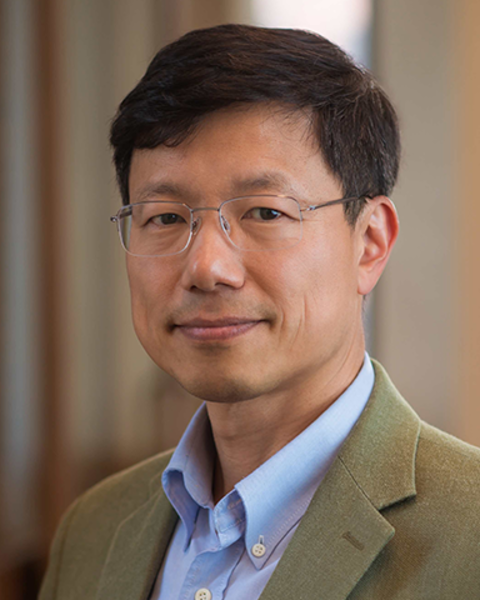
Yue Huang is an Assistant Professor and Principal Investigator in the Division of Genetics and Genomics at Boston Children's Hospital, affiliated with Harvard Medical School. His research focuses on computational genomics and the role of somatic mutations in human development, aging, and neurodegenerative diseases.
- BS in Biological Science, Peking University
- PhD in Bioinformatics, Peking University
- Postdoctoral Training, Boston Children's Hospital and Harvard Medical School
Dr. Huang's research centers on computational genomics, particularly somatic mosaicism in non-cancer contexts. He investigates how postzygotic mutations accumulate in tissues like the brain and heart during aging and contribute to diseases such as Alzheimer’s, autism, and epilepsy. His work integrates single-cell sequencing, bioinformatics tool development, and functional genomics to uncover mutation patterns and their biological impacts.
His recent publications reveal trends in neurogenetics and aging, with a focus on identifying somatic variants in neurons and cardiomyocytes. These studies utilize advanced sequencing and computational methods to link mosaic mutations to neurodegeneration and cardiovascular aging, highlighting the role of oxidative stress and DNA repair deficiencies.
Dr. Huang's scientific contributions include the development of MosaicHunter and MosaicBase, widely used tools in the field. His research is supported by prestigious grants from the NIH/NIA, NIH/NHLBI, Alzheimer's Association, and Boston Children’s Hospital.
He mentors a research team focused on genomic instability and its implications for human health. His lab employs cutting-edge technologies including single-cell multi-omics and deep sequencing to explore cell lineage, mutation burden, and disease mechanisms in the brain and other organs.