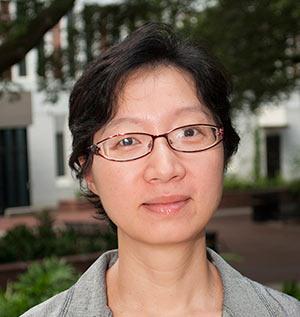
Xinlin Tang is an Associate Professor at the College of Business, Florida State University (FSU), and serves as Doctoral Coordinator for the Management Information Systems (MIS) Ph.D. program. She teaches core and elective IS courses at both undergraduate and graduate levels, including information technology management and IT project management. Education : Ph.D. in Computer Information Systems (Georgia State); M.S. in MIS (University of South Carolina); M.A. in English Literature (Beijing Foreign Studies University); B.S. in Architecture (Tsinghua University). Her research focuses on the intersection of information system strategy and interorganizational relationship management . Key themes include IT-enabled governance, innovation, knowledge management, and digital intermediation. She has published in top journals such as Information Systems Research , Journal of Operations Management , and IEEE Transactions on Engineering Management . Selected publications highlight her work on IT-enabled business models, supplier portfolio dynamics, structural embeddedness in B2B networks, and e-procurement innovation. Her research often bridges theoretical frameworks with empirical validation in digital transformation contexts. Scientific Awards : Co-PI for NSF China Junior Faculty Research Grant ($26,000) Winner of 2006 Harriet Fulbright Dissertation Grant ($10,000) Nominated for FSU Teaching Award (2008, 2011) She has contributed to the academic community through editorial reviews and curriculum development for MIS programs.
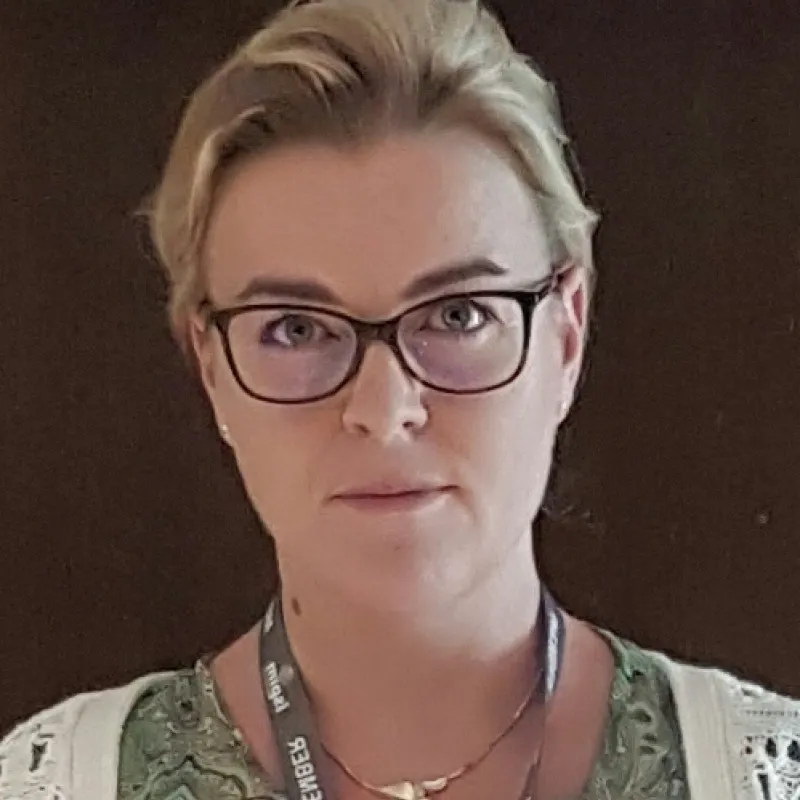
Dr. Heini Vanninen is a postdoctoral researcher at LUT University 's School of Business and Management , specializing in Business Studies . Her research focuses on the intersection of digitalization, entrepreneurship, and internationalization within small and medium-sized enterprises (SMEs). Research Areas: Business Administration, International Business, Entrepreneurship, Digital Marketing, SMEs, Social Media. Recent publications analyze digital entrepreneurial internationalization, B2B influencer marketing strategies, and the embeddedness of small multinational enterprises. Collaborative works with scholars like Prof. Mika Gabrielsson and Dr. Joel Mero explore how SMEs leverage social media affordances for global expansion.
Dr. Roger Moser is a Senior Lecturer at Macquarie University's Department of Management Innovation, Strategy and Entrepreneurship Research Centre. He also holds adjunct roles at the Indian Institute of Management Udaipur (since 2012) and the University of St. Gallen (since 2012). His research focuses on Decision Intelligence, Strategic Management, and International Management, particularly exploring how executives leverage data (small/big) to enhance decision-making frameworks. He has over 99 publications since 2005, with notable works in journals like Journal of Service Research and Journal of Business Research . Dr. Moser holds a Dr. rer. pol. from EBS European Business School (2006) and a lic. oec. HSG (MSc) from the University of St. Gallen (2003). His research interests include Decision Model Innovation, Social Capital in emerging markets, and strategic alignment in supply chains. He has conducted impactful studies on access-based services in India, supplier integration in China's automotive sector, and humanitarian logistics using satellite data. His recent work emphasizes technology integration in B2B value creation, decision frameworks for uncertainty reduction (e.g., in agriculture and disaster management), and AI-driven expert systems. He has presented at global forums on topics like digital transformation and decision intelligence applications, contributing to both academic and practitioner discourse. External Roles: Adjunct Professor of Business Policy, Indian Institute of Management Udaipur Titularprofessor / Permanent Lecturer, University of St. Gallen Notable impacts include a project providing clean drinking water in India through access-based solutions, recognized for quality-of-life and societal contributions. His research has been cited over 1,666 times with an h-index of 21.
Lea Hannola is a researcher at the LUT School of Engineering Sciences (Lappeenranta–Lahti University of Technology LUT) focusing on digital twins, sustainable manufacturing, and Industry 5.0. Her work bridges technological innovation with eco-conscious business practices. Academic Rank: Researcher Contact: Lea.Hannola@lut.fi Hannola's research emphasizes digital twin applications for sustainability, including circular manufacturing, smart energy systems, and human-centric industrial design. She explores competencies required for Industry 5.0 adoption, workforce empowerment through digital tools, and integration of environmental and data-driven strategies in manufacturing. Her publications span topics like smart building management , quantum computing challenges , and supply chain sustainability , with a recurring focus on simulation, interoperability, and lifecycle value creation. Key trends include AI-driven sustainability, green HRM, and digital ecosystems. As a scholar, Hannola contributes to advancing digitally extended product-service systems and addressing sociotechnical challenges in industrial digitalization. Her work impacts manufacturing competitiveness, energy efficiency, and organizational transformation.
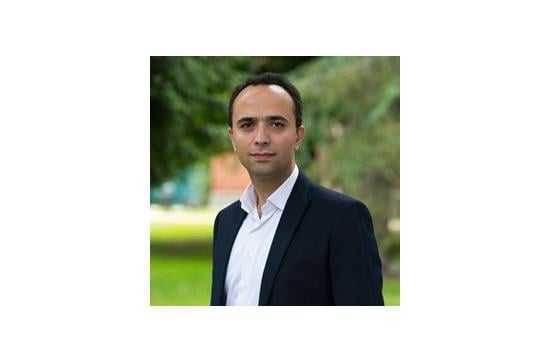
Alireza Keshavarz is an Assistant Professor/Lecturer in Marketing at Maynooth University Business School. He holds a PhD in Management Sciences (Marketing) from HEC, Paris. His research focuses on strategic marketing, salesforce management, and compensation dynamics, particularly examining gender pay gaps and salesforce mobility. He is affiliated with organizations such as AMA, EMAC, CNRS Lab GREG-HEC, and Labex ECODEC. His teaching spans marketing analytics, sales management, and business analytics across undergraduate, graduate, and MBA programs. Education: PhD in Management Sciences (Marketing), HEC Paris Research Interests: Sales Force Management Compensation and Incentives Sales Force Mobility Digital Literacy B2B Marketing Strategic Marketing Ambidexterity Recent Research Trends: Recent work emphasizes the interplay between salesforce structures, organizational strategies, and labor market dynamics, with a focus on gender disparities and incentive systems. Professional Contributions: Member of the Editorial Board for Journal of Business Research Regular presenter at conferences like AMA, EMAC, and INFORMS Labs/Teams: No specific labs or collaborative teams explicitly noted in available data.
Dr. Ying Zhu is an Associate Professor in the Department of Marketing and Consumer Studies at the Lang School of Business and Economics, University of Guelph. She holds a Ph.D. in Marketing from Texas A&M University, alongside master’s degrees in Computer Science (Minzu University, China) and Management (University of Lethbridge, Canada). Previously, she served as an Associate Professor at UBC Okanagan. Her research focuses on digital marketing, consumer behavior, marketing analytics, and the impact of technology (e.g., AI, Metaverse) on consumer decisions. She has published 19 peer-reviewed articles since 2017, many in top-tier journals like American Psychologist and European Journal of Marketing . Her work explores themes such as brand extension strategies, digital advertising effectiveness, and sustainability initiatives. Dr. Zhu has received significant funding through SSHRC grants and has been recognized for her teaching excellence, including the Golden Apple Award. She actively advises graduate students and volunteers with community organizations like the Kelowna Museums Society. Her research on smartphone-induced consumer behavior has garnered media attention in outlets like Time Magazine , Global News , and Science Daily .
Professor Ashish Sinha is a leading academic in Marketing at the UQ Business School, holding concurrent roles as Visiting Professor at the Indian School of Business and Research Fellow at the Hong Kong Polytechnic University. His career spans senior leadership in academia (e.g., Academic Dean of Executive Education at ISB, Interim Dean at UTS Business School) and industry (Vice President at IRI, Chicago). His research bridges theory and practice, focusing on digital transformation, AI-driven strategies, ESG impact analysis, and marketing analytics. He has pioneered frameworks for retail optimization, category management, and B2B innovation adoption, with over 30 journal articles in top-tier outlets like Journal of Marketing and Marketing Science . Research Impacts: Sinha’s work has transformed executive education programs (e.g., ISB’s #38-ranked custom programs) and driven research excellence at UTS. He is a serial entrepreneur, having founded two analytics firms acquired for their practical impact. His $240M Food Agility CRC participation highlights his role in agribusiness innovation. Awards include the Davidson Award and twice runner-up for the Gary Lilien Practice Award for applied marketing science. Key Research Themes: AI in Marketing, Digital Transformation, ESG Strategies, Consumer Sentiment Analysis Leadership Roles: Academic Dean (ISB), ADR (UTS), Head of Marketing (UNSW) Industry Experience: Analytics leadership at IRI, strategic consulting across sectors Grants/Partnerships: CI in Food Agility CRC ($240M), multiple ERA-recognized research collaborations. Advises on AI ethics, sustainable marketing, and global business strategy.
Prof. Dr. Philipp A. Rauschnabel serves as Professor of Digital Marketing and Media Innovation at the University of the Bundeswehr Munich's Faculty of Business Administration. Recognized as one of the world's leading scientists in augmented reality, virtual reality, and metaverse research, he bridges academic theory with practical business applications across multiple industries. His educational background includes: Habilitation, Dr. habil; PD, Otto-Friedrich University of Bamberg Dr. rer. pol. (psychological brand management, 2014, summa cum laude), Otto-Friedrich University of Bamberg M.Sc. in Marketing and Distribution Management, Georg-August University of Göttingen (best of class) BA in Business (Marketing and Business Information Systems), Merseburg University of Applied Sciences (Top 10% graduate) Rauschnabel's research centers on the practical implementation of spatial computing technologies in marketing contexts. He has developed influential frameworks including the XR framework that redefines the relationship between augmented reality, virtual reality, and mixed reality. His work examines how these technologies transform consumer-brand relationships, workplace operations, and marketing strategies across retail, manufacturing, and service industries. He particularly investigates the psychological mechanisms through which AR/VR experiences influence consumer behavior, brand love, and purchasing decisions. Analysis of his recent publications reveals a clear progression from basic AR applications toward more sophisticated spatial computing environments and persistent metaverse experiences. His research demonstrates increasing sophistication in understanding contextual factors, emotional responses, and long-term consumer engagement with these technologies. The work consistently bridges theoretical marketing concepts with practical implementation challenges faced by businesses. His significant scientific recognition includes: Top 1% Scientist (Clarivate Highly Cited Researcher, 2023) Top 2% Scientist (Stanford List 2023) Microsoft Academics listed as one of the top 5 AR researchers worldwide based on citation output (2021) Named one of the top 15 AR marketing researchers worldwide (Kumar, 2021) Prof. Rauschnabel serves as Associate Editor for the Journal of Business Research and chairs the bdvb research institute. He has provided expert consultation to the German Federal Government on XR/Web3/Metaverse (2022) and regularly advises major corporations across multiple sectors including food, home appliances, insurance, automotive, and telecommunications across Germany, USA, Switzerland, China, and Austria. His practical consulting work complements his academic research, creating a valuable feedback loop between theory and practice. He leads multiple research initiatives on augmented reality marketing and spatial computing, collaborating with industry partners to develop practical applications of these emerging technologies. His work emphasizes the importance of understanding both the technological capabilities and human factors that determine successful implementation of AR/VR in business contexts.
Professor Mike Nicholson is a Professor of Strategic Marketing at Durham University's Business School, combining academic expertise with a prior career in fast-moving consumer goods (FMCG) marketing. His research focuses on the psychology of persuasion, influencer marketing, and behavioral economics, leveraging insights from evolutionary psychology and behavioral sciences. He advises leading brands on crafting impactful marketing strategies in a hyper-distracting digital landscape and collaborates with social media influencers to enhance brand ambassador programs. Research interests include disability advocacy and inclusive marketing, reflecting his personal experience as a sight-impaired individual. He holds external roles as an External Examiner at Warwick and Regent's Universities and serves as a Special Educational Advisor to the UN Office of the Ombudsman for United Nations Funds and Programmes. His work bridges academic rigor with practical industry application, emphasizing consumer interactions in everyday life. Publications span over two decades, with recent work exploring consumer revenge mechanisms, B2B pricing strategies, and cross-national impulse buying behavior. His earlier research addressed counterfeit markets, luxury brand consumption, and multichannel retail dynamics. Nicholson's contributions span academic journals, conference papers, and working papers, reflecting his commitment to advancing consumer behavior analysis. He supervises a diverse cohort of PhD students and contributes to executive education programs. Beyond academia, Nicholson advocates for accessibility in marketing, frequently writing and speaking on inclusive practices. His research methodologies blend traditional consumer behavior analysis with modern digital insights, positioning him as a thought leader in strategic marketing innovation.
Pedro Oliveira is a leading academic and administrator with diverse roles across institutions. He currently serves as Dean at Nova School of Business and Economics , where he holds the Cascais Chair in Operations, Technology, and Innovation Management . Additionally, he is a Professor MSO at Copenhagen Business School , Academic Fellow at Cornell University , and Adjunct Professor at MIT Sloan School of Management . He also founded the Patient Innovation platform and co-founded PPL Crowdfunding . Education: Ph.D. in Operations, Technology, and Innovation Management (2004), University of North Carolina at Chapel Hill M.Sc. in Operations Research and Systems Engineering (2000), Instituto Superior Técnico Licenciatura in Naval Engineering (1996), Instituto Superior Técnico Research Focus: Pedro Oliveira's work centers on Open and User Innovation , Patient Innovation , and Social and Impact Innovation , with a strong emphasis on Service Operations Management and Artificial Intelligence in Innovation . His studies often bridge Technology Strategy with Healthcare and Financial Services , exploring how users can drive innovation in resource-constrained environments. Publication Trends: His recent works emphasize collaborative innovation in public and semi-public domains , patient-driven healthcare solutions , and user innovation in digital finance . He has also published extensively on knowledge commons and innovation during crises , such as the COVID-19 pandemic . Leadership and Advisory Roles: Pedro has held significant administrative roles, including Senior Associate Dean for Faculty & Research and Director of the Research Unit in Business and Economics . He has advised the Portuguese Ministry of Science, Technology, and Higher Education and served on the Environment & Sustainability Council at EDP Energias de Portugal . He is also the President of the Open and User Innovation Society and a counselor on the National Council for Science, Technology, and Innovation (CNCTI) and Economic and Social Council (CES) in Portugal. Labs and Teams: As founder of Patient Innovation , he has established a global platform for user-driven healthcare solutions. His work also includes collaborative digital health initiatives , such as the Saúde.Come Senior program addressing food insecurity in elderly populations through TV-based eHealth interventions.
Christian Homburg is a Professor of Marketing and Director of the Institute for Market-Oriented Management (IMU) at the University of Mannheim Business School. He holds additional positions as Distinguished Professorial Fellow at the University of Manchester and Professorial Fellow at the University of Melbourne. His leadership extends to his former role as Managing Director of the Mannheim Business School (2006-2010), where he significantly expanded student enrollment and established globally recognized MBA programs. Homburg's research primarily focuses on business-to-business marketing, sales management, pricing, and customer relationship management. His work bridges theoretical frameworks with practical applications, particularly in understanding the relationship between customer satisfaction and loyalty, market-oriented organizational culture, and service quality. His research methodology frequently integrates quantitative approaches with structural equation modeling to examine complex marketing phenomena. He has pioneered work in customer experience management and effective customer journey design, reflecting the evolving nature of marketing in digital environments. Homburg's publication portfolio includes over 40 articles in the three leading marketing journals (Journal of Marketing, Journal of Marketing Research, Journal of Consumer Research) and numerous influential books. His work demonstrates a clear evolution from foundational research on market orientation and customer satisfaction toward more contemporary topics like customer experience management and digital customer journeys. His research maintains a strong emphasis on empirical validation while addressing practical business challenges. Research.com Business and Management in Germany Leader Award (2021-2025) Fellow of the American Marketing Association (lifetime achievement) Ranked fourth worldwide for research productivity in top marketing journals (2011-2022) Most research-intensive professor in Germany, Austria, and Switzerland (WirtschaftsWoche 2018, 2020, 2023) Honorary doctorates from Copenhagen Business School (2006) and Technical University Freiberg (2008) Professor Homburg actively supervises doctoral students and leads research initiatives through the Institute for Market-Oriented Management. His research has been supported by significant academic grants, though specific grant details aren't provided in the source material. His work has influenced both academic theory and business practice, particularly in European markets. The Institute for Market-Oriented Management serves as his primary research hub, where he collaborates with academic staff members including Nicola Weber and Matthias Kleinermann. His research team focuses on translating theoretical marketing concepts into practical business applications, with particular emphasis on B2B contexts.
Margherita Pagani is a Full Professor and Director of the SKEMA Centre for Artificial Intelligence at SKEMA Business School in Paris. She holds a Ph.D. in Management and an HDR (Habilitation à Diriger des Recherches). Her roles include Research Affiliate at UC Berkeley’s APEC Study Center and Advisor to the European Economic Social Committee (EESC) on virtual worlds and the Metaverse. Previously, she founded and led the MSc in Digital Marketing & Data Science and the AIM Research Center at emlyon business school. She has held visiting roles at MIT, UCLA, Georgetown, NUS, and Redlands University. Education: Ph.D. (2015, Lyon), HDR (2016, Évry), MSc (1995, Bocconi), MIT Certifications (2005-2006). Research: Focuses on AI in consumer engagement, digital ecosystems, robotics in services, and metaverse applications. Over 130 publications in journals like MIS Quarterly, MIT Sloan Management Review, and Harvard Business Review. Awards: 2023 International Marketing Trends Award, 2022/2023 Top 2% Cited Scientist (Elsevier), 2009 Mobile Marketing Academic of the Year. Her work bridges AI and marketing creativity, emphasizing human-centric systems. She leads initiatives like the SKEMA AI School and organizes conferences on ethics, AI in education, and service recovery. Active in editorial roles for journals like Micro & Macro Marketing and Industrial Marketing Management . Key affiliations include the Association Française de Marketing and involvement in policy initiatives. Supervised over a dozen PhD students, focusing on AI applications in marketing and entrepreneurship.
Femi Olan is a Senior Lecturer at the Strategy, Operations and Entrepreneurship department within Essex Business School at the University of Essex. His academic work bridges the intersection of digital entrepreneurship, knowledge management, and artificial intelligence in organisational contexts. Educational Background: PhD, University of Plymouth Research interests focus on digital entrepreneurship , artificial intelligence , and knowledge management , particularly examining how these technologies enhance organisational resilience and sustainability. His publications in journals like Information Systems Frontiers and Technological Forecasting & Social Change highlight applications of AI in supply chains, crisis information management, and sustainability. Recent editorial roles include Cogent Business & Management Journal (2024) and guest editorships for special issues on fake news, sustainable agriculture supply chains, and crisis information management. His 15 most recent articles (2022-2025) span topics such as explainable AI in B2B marketing, CSR implementation in African SMEs, and Industry 4.0 adoption in agriculture. He supervises PhD candidates in entrepreneurship and has secured funding from the UK Higher Education Academy and European Commission . As a coordinating board member of the Euro Working Group – Decision Support Systems , he contributes to international research networks and conferences.
Kelly D. Martin is a Professor of Marketing and Tinberg 'Business for a Better World' University Professor at Colorado State University's College of Business. She teaches Marketing Management in the Professional MBA Program and the Practicum Course in the Marketing Data Analytics MBA Program, having twice received the CSU College of Business Excellence in Graduate Teaching Award and the Favorite Faculty Award from multiple student cohorts. Her research centers on the intersection of marketing ethics and firm strategy, with a focus on customer data privacy , political marketing strategy , and reducing consumer vulnerability . She has published extensively in top-tier journals like the Journal of Marketing and Harvard Business Review , with her work recognized through awards such as the Sheth Foundation/Journal of Marketing Award and the AMA/EBSCO Responsible Research in Business Award. Kelly’s publications emphasize privacy regulation , AI ethics , and consumer-organization tensions in the digital age. Her book on data privacy in marketing won the 2021 AMA Foundation Leonard L. Berry Book Award. Sheth Foundation/Journal of Marketing Award MSI Robert D. Buzzell Best Paper Award Thomas C. Kinnear/JPPM Award Davidson/Journal of Retailing Award AMA/EBSCO Responsible Research in Business Award AMA Foundation Leonard L. Berry Book Award (2021) AMA Marketing and Society Emerging Scholar Award Colorado State University Monfort Professorship (2014–2016) Sonny Lubick Pinnacle Award (2021) She previously served as joint Editor-in-Chief of the Journal of Public Policy & Marketing and currently serves on the editorial boards of Journal of Marketing , Journal of Retailing , and others. Prior to academia, she worked as a marketing director in the assisted living industry.
Professor Matthias Lederer serves as a faculty member at the Weiden Business School of Ostbayerische Technical University Amberg-Weiden, specializing in Business Informatics with a focus on Process Management. His academic position is complemented by extensive industry experience across multiple sectors including IT services, manufacturing, and consulting. Dr. Lederer's research spans four interconnected domains: process analysis and optimization, IT process management, agile process transformation, and didactics for process digitization. His work bridges theoretical frameworks with practical applications, particularly in business process management (BPM), digital transformation, and the integration of agile methodologies into organizational structures. His research demonstrates a clear trajectory toward increasingly sophisticated applications of data science and artificial intelligence in process optimization. Analysis of his recent publications reveals a strong focus on practical implementations of business process management, with particular emphasis on agile transformations, data-driven process design, and the application of AI in business contexts. His work consistently addresses the intersection of academic research and industry practice, with publications appearing in both academic journals and professional conference proceedings. The research demonstrates growing attention to digital platforms, smart manufacturing applications, and sustainable business practices. His scientific recognition includes: Best Program Director award from ISM International School of Management Project Award 'Innovative LernOrte' from OTH Award for Good Teaching from the Bavarian State Ministry Best Paper Award at the 2014 International Conference on Information Systems Multiple professional certifications including Lean Six Sigma Black Belt and OMG-Certified Expert in Business Process Management Professor Lederer has developed significant academic leadership through his role as Chairman of the Institute of Innovative Process Management. His teaching approach integrates practice-integrated methodologies, reflecting his belief in connecting academic concepts with real-world applications. His extensive consulting background with organizations like REHAU AG + Co. and the Bavarian Ministry of Justice informs his academic work and student mentorship.