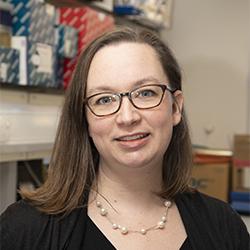
Julia Romanowska is a senior engineer and bioinformatician at the Department of Global Public Health and Primary Care, University of Bergen . She actively contributes to research projects including the DRONE (Drug Repurposing for Neurological Diseases) and START (Study of Assisted Reproductive Technology) initiatives. Romanowska co-founded R-Ladies Bergen to promote gender diversity in computational sciences. PhD in Theoretical Biophysics (University of Warsaw) Former postdoc at Institute of Genetic Medicine, University of Bergen Developed HaplinMethyl software for DNA methylation analysis Her research spans epigenetics , X-chromosome methylation , and drug-disease associations , with recent publications in Human Genomics and bioRxiv . Romanowska specializes in genetic association studies , computational modeling , and high-dimensional data analysis .
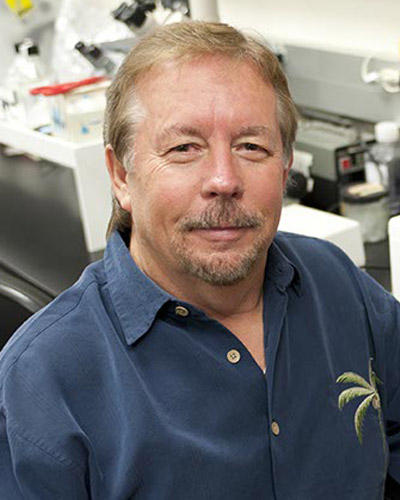
John McCarrey is a Professor and the Kleberg Distinguished University Chair in Cellular and Molecular Biology at The University of Texas at San Antonio (UTSA), where he is also Co-Director of the Institute of Regenerative Medicine. He is affiliated with the Department of Neuroscience, Developmental and Regenerative Biology in the College of Sciences and holds joint appointments with the Department of Cell Systems & Anatomy and the Department of Obstetrics & Gynecology at UT Health San Antonio. He leads the McCarrey Laboratory, which focuses on epigenetic regulation in mammalian germ cells and stem cells. Ph.D. in Genetics, University of California, Davis M.S. in Genetics, University of California, Davis B.S. in Animal Science, University of California, Davis Dr. McCarrey's research centers on epigenetic mechanisms governing germ cell and stem cell function, including epigenomic reprogramming, genomic imprinting, and transgenerational epigenetic inheritance. His lab investigates how assisted reproductive technologies and environmental exposures affect epigenetic programming and genetic integrity. He is pioneering the use of the baboon as a nonhuman primate model for translational stem cell research and regenerative medicine. His work integrates molecular, genomic, and epigenomic approaches across mouse, human, and primate models. The recent publications of Dr. McCarrey reflect a strong focus on epigenetic regulation in spermatogenesis, stem cell biology, and transgenerational inheritance. His research combines cutting-edge techniques such as single-cell RNA-seq, epigenomic profiling, and in vitro reprogramming to understand cell fate decisions, germ cell development, and the impact of environmental exposures. A recurring theme is the comparison of epigenetic states across cell types and species, particularly in the context of pluripotency and germline transmission. Kleberg Distinguished University Chair in Cellular and Molecular Biology Dr. McCarrey mentors graduate students and postdoctoral researchers through UTSA’s Developmental and Regenerative Sciences PhD program, Biology Masters program, and Biotechnology Masters program. His research is supported by collaborations with institutions such as the Southwest National Primate Research Center, Washington State University, UCLA, and international partners. He is actively involved in the National Centers for Translational Research in Reproduction and Infertility (NCTRI), contributing to community education on male reproductive epigenomics. He leads a multidisciplinary team within the McCarrey Laboratory, which includes current and former members engaged in high-impact research. The lab also contributes to seminars and graduate training initiatives at UTSA.
Ashis Mondal is an Assistant Professor in the Department of Pathology at the Medical College of Georgia, Augusta University. His work bridges clinical molecular diagnostics and academic research, with a strong focus on developing and validating molecular tests for patient care. His research interests include: Discovery of biomarkers in hematological malignancies and solid tumors Development and clinical validation of molecular/genetic assays Applications of molecular biology in diagnostics Genetics and gene regulation Quality assurance in molecular testing His recent publications in 2022 reflect expertise in advanced genomic technologies such as optical genome mapping, multiplex PCR, and microbiome analysis, applied to conditions including COVID-19, reproductive genetics, and colorectal cancer. These works highlight a strong trend in translational research, integrating molecular diagnostics with clinical outcomes. Selected honors and training include: PGDx elio™ tissue complete - RUO Theory & Laboratory Application Training (Personal Genome Diagnostics Inc., 2021) Graduate Aptitude Test in Engineering (GATE), 1994 State Level Eligibility Test for Lectureship (SLET), 1994 He actively contributes to education by teaching CLSC 7900: Clinical Molecular Methods Internship for MHS-CLS students and providing instruction to pathology residents and medical students. He also serves on Ph.D. advisory committees within the Department of Interdisciplinary Health Sciences, demonstrating commitment to graduate training and academic service.
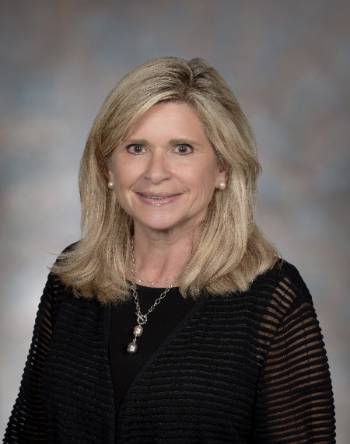
Lynda Wray Black is the Bredesen Professor of Law at the University of Memphis Cecil C. Humphreys School of Law, where she teaches Secured Transactions, Sports Law, Remedies, Nonprofit Organizations, and Contracts. She serves as the Faculty Athletics Representative (FAR) to the NCAA and is President of 1A FAR, the national organization of Division I FARs. Appointed to the University President's Council in 2023, she maintains an Of Counsel role with Black McLaren Jones Ryland & Griffee. Education includes: J.D. from Yale Law School (1989) B.A. summa cum laude with honors in Philosophy from University of Memphis (1986) Her research spans sports governance, reproductive justice, and property rights, with particular focus on: College athletics regulation and NCAA policy evolution Legal frameworks for assisted reproduction and genetic material rights Innovative estate planning instruments including pet trusts Feminist reconstructions of trust and estate jurisprudence Publications demonstrate consistent focus on evolving legal definitions of family, property, and athlete rights across 2014-2023, with recent emphasis on NCAA restructuring and non-traditional property classification. Awards and recognitions: Outstanding Alumna Award, College of Arts & Sciences Two-time Professor of the Year honoree National Football Foundation recognition American recognition for collegiate athletics contributions
Fernanda Alves de Amorim is a Postdoctoral Fellow at the Fenner School of Environment & Society, Australian National University. She is a conservation ecologist specializing in population ecology and management of threatened species and their habitats. Her research focuses on understanding how populations interact with the environment after landscape changes and how management interventions can help the persistence of populations. Dr. Alves de Amorim has worked on numerous threatened species projects across various ecosystems in Brazil and Australia, including research on the Red-billed Curassow, Lear's Macaw, Restinga Tyrannulet, Carnaby's Cockatoo, Orange-bellied Parrot, and Swift parrot. She completed her Masters in Zoology at the University of São Paulo in Brazil in 2014, where she investigated population parameters and habitat selection by the endangered red-billed curassow (Crax blumenbachii). In 2015, she joined the Difficult Bird Research Group at the Australian National University as a research assistant, collaborating on several projects involving Tasmanian birds. She began her PhD at the Research School of Biology in 2017, focusing on the conservation and management of the endangered forty-spotted pardalote (Pardalotus quadragintus). Her research spans conservation genetics, habitat modeling, population monitoring, and management interventions for endangered species. She has published extensively on topics including population size assessment, habitat selection, nest box effectiveness, and innovative conservation approaches like 'self-fumigation' of nests using insecticide-treated feathers. Her work often involves collaboration with multiple researchers across Australia and addresses critical conservation challenges facing threatened avian species. Dr. Alves de Amorim's research outputs reveal a strong focus on practical conservation applications. Her recent publications demonstrate expertise in monitoring design, conservation genetics, habitat assessment, and management interventions for endangered species. She frequently applies spatial modeling techniques and population ecology principles to address conservation challenges, with particular emphasis on Australian threatened birds including parrots and songbirds. Scientific Recognition 9 h-index based on publications in Pure and citations from Scopus 214 total citations according to Scopus data Dr. Alves de Amorim is actively involved in multiple research projects, including 'Parrots (RERI 17),' 'Koala species distribution models,' 'Biodiverse Bruny; forty-spotted pardalote subproject,' and 'Managing genetics and winter/migration habitats of orange-bellied parrots.' These projects demonstrate her ongoing commitment to addressing critical conservation challenges through collaborative, interdisciplinary research.
Erica D Watson serves as Associate Professor in Reproductive Biology within the Department of Physiology, Development and Neuroscience at the University of Cambridge, leading a research program focused on transgenerational epigenetic inheritance mechanisms. Her work investigates how environmental factors—particularly abnormal folate metabolism—induce congenital malformations transmitted across generations using mouse models, with strong ties to the Cambridge Reproduction initiative. Her research centers on epigenetic disruptions in germ cells and placental development, examining how folate deficiency alters DNA methylation patterns and causes neural tube, heart, and placental defects persisting in genetically normal descendants. Key specialties include epigenetics, developmental biology, and reproductive physiology, with emphasis on one-carbon metabolism's role in fetal programming and disease susceptibility across generations. Analysis of her recent publications reveals consistent investigation into folate metabolism's impact on epigenetic stability, particularly in placental tissues and germ cells. Her work bridges molecular mechanisms (e.g., TET enzyme dynamics, retrotransposon regulation) with physiological outcomes like pregnancy loss and congenital disorders, predominantly utilizing genetically modified mouse models to dissect transgenerational disease pathways. Scientific Awards: No specific awards were documented in the provided materials. Advising and Grants: Student mentorship details and grant funding information are not specified in available sources. Lab and Team: Dr. Watson directs a laboratory within the Department of Physiology, Development and Neuroscience, employing molecular biology techniques and mouse genetics to study transgenerational epigenetic inheritance. Her team collaborates through Cambridge Reproduction, focusing on environmental programming of developmental disorders with implications for human folic acid fortification policies.
Dr. Esra ERTEMÜR is a Doctoral Faculty Member (Assistant Professor) in the Nursing Department at the Faculty of Health Sciences, Kastamonu University, Turkey, where she has been working since 2022. Previously, she served as a Lecturer at the same institution from 2011 to 2022. She also holds administrative roles including Deputy Department Head (2023-2024) and Journal Editor-in-Chief at Kastamonu University. Her academic background includes: Doctorate in Surgical Diseases Nursing from Hacettepe University Institute of Health Sciences (2009-2015) Master's Degree in Surgical Diseases Nursing from Hacettepe University Institute of Health Sciences (2006-2009) Bachelor's Degree in Nursing from Hacettepe University School of Nursing (1997-2002) Dr. ERTEMÜR's research focuses on surgical nursing, elderly patient care, substance abuse, postoperative care, sexual health, wound care, cardiopulmonary resuscitation, and nursing informatics . Her work addresses critical issues in patient safety, healthcare quality, and evidence-based nursing practices. She has conducted extensive research on medication management for elderly surgical patients, substance use disorders among university students, and the impact of technology on nursing practice. Her studies often employ both quantitative and qualitative methodologies to explore patient experiences and healthcare outcomes. Analysis of her recent publications reveals a strong emphasis on surgical nursing practices, with particular attention to patient safety issues such as postoperative hypothermia control and patient privacy protection. Her work increasingly addresses contemporary healthcare challenges including the impact of the COVID-19 pandemic on surgical care and the integration of technology in nursing practice. There is also a consistent thread of research on substance use disorders among young adults and sexual health behaviors among university students. Her scientific recognition includes: TÜBİTAK International Publications Support Award (2012) Dr. ERTEMÜR has been actively involved in research projects, including as Principal Investigator for "Transfer and Analysis of Students' Care Plans to an International Coding System" (2023) and as Researcher for several projects related to cardiopulmonary resuscitation education and substance use disorders. She has served in various academic leadership roles including Farabi Coordinator (2015-2017, 2011-2016), Erasmus Coordinator (2011-2015), and Department Head (2012-2013). She is an active member of professional organizations including the Turkish Oncology Nurses Association (2023-2025) and the Turkish Nurses Association (2002-2023). Dr. ERTEMÜR has also served on the editorial boards of several academic journals, most notably as Editor-in-Chief of Kastamonu University Health Sciences Faculty Journal and Sağlık Akademisi Kastamonu.
Dr. Celeste E. Orr serves as a Visiting Assistant Professor in the Gender and Sexuality Studies Department at St. Lawrence University, where their work critically examines intersections of intersex, disability, and queer studies. They investigate compulsory dyadism, able-bodiedness, and the categorization of body-minds through an intersectional lens, focusing on pathologization, trauma, and resistance. Dr. Orr's academic background includes: Ph.D. in Feminist & Gender Studies from the University of Ottawa M.A. in Cultural Studies & Critical Theory from McMaster University M.A. in Philosophy from Queen’s University B.A. in Philosophy & English Literature from McMaster University Their research spans intersex studies, disability and mad studies, gender/queer theories, bioethics, and medical sociology. Orr challenges naturalized power structures through analyses of medicalization, violence against intersex bodies, and the haunting legacies of pathologization, advocating for frameworks that center justice and embodied resistance in healthcare and social systems. Analysis of Orr's 2018-2022 publications reveals consistent focus on intersex experiences within medical and social contexts. Key trends include critiques of interphobic violence in public spaces (bathrooms, sports), maternal testimony in gender verification, and medical management of intersex children. The 2022 book 'Cripping Intersex' establishes foundational connections between intersex and disability studies, while recent collaborative work expands into feminist loneliness studies and mad intersex frameworks. No scientific awards or major fellowships are documented in the provided materials. Information regarding doctoral advisees, grant funding, or formal mentoring responsibilities is not specified in available sources, though Orr's pedagogy emphasizes collective resistance to unjust hierarchies through courses like GNDR4024: Dis/Ability, Gender, & Health.
Lana Lopesi is an Assistant Professor in Native American Studies at the University of Oregon's College of Arts and Sciences. Her work bridges Pacific Islander studies, Indigenous and Women of Color feminisms, and contemporary Pacific art practices, with a particular focus on digital humanities approaches to understanding Pacific cultural production and global indigeneities. Education: PhD, Auckland University of Technology (2021) BFA (honours), University of Auckland (2013) Lana Lopesi's research explores the intersections of Pacific Islander identity, diaspora, and cultural production in contemporary contexts. Her scholarly work centers Indigenous and Women of Color feminisms as frameworks for understanding Pacific experiences globally. She investigates how digital spaces shape Pacific identities and communities, with particular attention to racial grammars, ethnic fragility, and the concept of "Vā" (relational space) in both physical and digital contexts. Her research also examines contemporary Pacific art practices, including performance art, and how these forms express sovereignty, care work, and immaterial labor within Pacific communities. Through her work on Samoan methodologies like "Suʻifefiloi," she contributes to transdisciplinary theorizing that centers Pacific epistemologies in cosmopolitan worlds. Her recent publications demonstrate a consistent focus on decolonial approaches to Pacific studies, with particular emphasis on genealogy, reproduction, digital spaces, and artistic expression. Lopesi's work frequently appears in interdisciplinary journals that bridge Pacific studies, gender studies, and digital humanities, reflecting her commitment to transdisciplinary scholarship that challenges conventional academic boundaries. Her research often centers Pacific voices and experiences while engaging with global conversations about race, gender, and decolonization. Scientific Awards and Honors: Women of Color Summer Writing Grant, 2024 Summer Stipend for Humanities and Creative Arts Faculty, College of Arts and Sciences Ockham Book Awards Longlist, Illustrated Non-Fiction Category for Pacific Arts Aotearoa, 2024 Faculty Research Grant, Center for the Study of Women in Society, University of Oregon, 2023-2024 Member of the New Zealand Order of Merit, New Year honours list, 2023 Ockham New Zealand Book Awards Longlist, General Non-Fiction Category for Bloody Woman, 2022 Māori & Pacific Excellence Award, Faculty of Design & Creative Technologies, Auckland University of Technology 2021 Michael King Emerging Pasifika Writers Residency, 2021 Lopesi has received significant research support through grants including the Faculty Research Grant from the Center for the Study of Women in Society at the University of Oregon (2023-2024) and the Summer Stipend for Humanities and Creative Arts Faculty from the College of Arts and Sciences. Her collaborative work with Pacific scholars, particularly through the Pacific Early Career Academic (PECA) network, demonstrates her commitment to mentoring emerging Pacific researchers. She has co-edited several significant collections that uplift Moana perspectives and create space for Pacific researchers in academic discourse.
Bonita Sharma is an Assistant Professor at the College for Health, Community and Policy within The University of Texas at San Antonio . Her research spans interdisciplinary domains, focusing on sustainability and gender equality, technology's role in global social work, women's empowerment, and health equity in climate-disrupted environments. Education: Ph.D., M.S., and B.S. in Social Work and Biology/Chemistry from The University of Texas at Arlington. Research Interests include ecofeminism, trauma-informed interventions for survivors of violence, human mobility, and the intersection of technology with social work. She emphasizes equity in climate change adaptation, women's reproductive rights, and digital inclusion. Grants include a 2021 project on transitional housing for trafficking survivors and a 2020 digital inclusion survey in San Antonio. Her presentations address global social work frameworks, climate change, and health disparities at conferences like SSWR and ICSD.
Lisa Campo-Engelstein is Professor and Inaugural Chair of the Department of Bioethics & Health Humanities at the University of Texas Medical Branch (UTMB), where she also directs the Institute for Bioethics & Health Humanities and holds the Harris L. Kempner Chair in the Humanities in Medicine. Her work bridges philosophy, medicine, and feminist theory to address critical issues in reproductive ethics and LGBTQ+ healthcare through an interdisciplinary lens. Education: Graduate Certificate in Clinical Ethics Consultation, Albany Medical College (2013) Postdoctoral Fellowship, Northwestern University (2009-2011) PhD in Philosophy, Michigan State University (2009) MA in Philosophy, Michigan State University (2005) BA in Philosophy, Middlebury College (2001) Research Focus: As a leading feminist bioethicist, Dr. Campo-Engelstein specializes in reproductive ethics with emphases on assisted reproductive technologies, abortion access, fertility preservation, male contraception, and queer reproduction. Her scholarship critically examines power structures in healthcare through intersectional frameworks, challenging traditional norms while advocating for reproductive justice and marginalized communities. Recent work increasingly addresses gender-affirming care ethics and systemic biases in medical systems. Publication Trends: Her 2023-2025 publications reveal a sharpened focus on emerging ethical frontiers including regulatory gaps in reproductive technologies, stigma reduction in psychedelic medicine, and epistemic injustice in pediatric gender care. These works consistently apply feminist theory to expose systemic inequities while proposing concrete policy interventions across journals like the American Journal of Bioethics and Hastings Center Report. Scientific Recognition: BBC 100 Women of 2019: honored as "inspiring and influential" for advancing women's health research Harris L. Kempner Chair in the Humanities in Medicine: prestigious endowed professorship Leadership & Service: Dr. Campo-Engelstein serves on the elected boards of the International Network on Feminist Approaches to Bioethics and American Society for Bioethics and Humanities, while advising the Male Contraception Initiative and Alliance for Fertility Preservation. She mentors graduate students in bioethics and health humanities, and contributes to editorial boards including the Journal of Assisted Reproduction and Genetics. Academic Infrastructure: As Director of UTMB's Institute for Bioethics & Health Humanities, she leads a multidisciplinary team integrating clinical ethics consultation, research innovation, and community engagement. The Institute collaborates extensively with the School of Public and Population Health to address ethical challenges in public health policy and clinical practice through education and organizational ethics initiatives.
Bing Ma is an Assistant Professor at the University of Maryland School of Medicine, affiliated with both the Institute for Genome Sciences and the Department of Microbiology and Immunology. As a computational biologist, Dr. Ma specializes in integrating advanced 'omics' technologies to study host-microbe ecosystems. Education: PhD in Computational Biology from University of Wisconsin-Madison Postdoctoral Training: Laboratory of Dr. Jacques Ravel Research focuses on Microbiome analysis using Multi-‘Omics approaches, with particular emphasis on: Microbe-Host Interactions Biomarker discovery Live biotherapeutics development Systems Biology applications GI Health research Recent publications highlight trends in Metagenomics , Metatranscriptomics , and Metabolomics applied to vaginal microbiota characterization and preterm infant gut development.
Kateryna Novikova serves as Assistant Professor in the Department of Sociology at SWPS University's Faculty of Social Sciences in Warsaw, where she contributes to both the Department of Sociology and the Center for the Study of History and Justice. Her academic profile bridges sociological theory, historical analysis, and contemporary digital society research with particular emphasis on Central and Eastern European contexts. Her research program centers on digital sociology methodologies including ethnography, discourse analysis, and content analysis. Key investigation areas encompass public discourses on emerging technologies, human agency within digital ecosystems, micro-entrepreneurship dynamics, and knowledge-sharing mechanisms in social innovation. Recent publications demonstrate consistent exploration of how digital transformations reshape labor markets, social identity formation, and organizational human capital. Analysis of her 15 most recent publications reveals a distinctive interdisciplinary trajectory connecting Soviet-era cultural studies with contemporary digital challenges. Her work consistently examines labor transformation across temporal contexts—from Soviet cinematic representations to modern platform economies—while maintaining focus on Polish societal evolution within European frameworks. Methodologically, she integrates qualitative digital ethnography with historical comparative analysis. Dr. Novikova actively participates in international research ecosystems as an expert evaluator for major funding bodies including the Polish Academy of Sciences, COST, FNRS Belgium, and EU education agencies. Her practical engagement includes serving as Managing Editor of Statistics Poland's 'Statistics in Transition' journal (2020) and collaborating with Internews on digital civil society development (2020-2021). She co-founded Poland's Digital Sociology Section and participates in the Polish Sociological Association's Social Anthropology Section. At SWPS University, she teaches courses on diversity and community building, intercultural communication, business etiquette, and digital transformation's societal impacts. Her pedagogical approach connects theoretical frameworks with contemporary case studies examining technology's influence on social capital and organizational behavior.
Giulia Galati is a Researcher at Sapienza University of Rome, Department of Maternal Infantile and Urological Sciences, Faculty of Medicine. She serves as a lecturer for multiple undergraduate programs including Nursing, TNPEE, and Midwifery at Sapienza University and affiliated hospitals including Policlinico Umberto I. Her academic journey includes a Medical Degree with honors (110/110 cum laude) from Sapienza University of Rome in 2016, specialization in Gynecology and Obstetrics with honors (70/70 cum laude) in 2022, and completion of a PhD in Endocrinological Sciences in January 2025. Her research focuses on gynecology and reproductive medicine with particular expertise in endometriosis, adenomyosis, ovarian reserve, and assisted reproductive technologies. Dr. Galati has conducted extensive research on ovarian endometriomas, examining surgical impacts on ovarian reserve and comparing medical versus surgical management approaches. Her work on random start protocols for oocyte cryopreservation has contributed significantly to fertility preservation for cancer patients. She has also investigated the relationship between difficult embryo transfer procedures and IVF success rates, as well as trends in birth defects following assisted reproductive technologies. Analysis of her publication record reveals a strong emphasis on systematic reviews and meta-analyses that evaluate clinical interventions for endometriosis, adenomyosis, and fertility preservation. Her research bridges clinical practice with evidence-based medicine, particularly in the areas of ovarian stimulation protocols, management of uterine abnormalities, and post-surgical outcomes for reproductive conditions. The interdisciplinary nature of her work connects endocrinology, gynecological surgery, and reproductive epidemiology. Winner of 'call for abstract Under 35' XV biennal meeting 'Daniel Dargent' (2024) Principal Investigator for four competitive research grants from Sapienza University of Rome (2018, 2021, 2022) Co-investigator on a significant research project focused on ovarian cancer biomarkers (2019) Reviewer for five international journals including Journal of Assisted Reproduction and Genetics and Archives of Gynecology and Obstetrics Dr. Galati has served as a principal investigator for multiple clinical trials, particularly in the fields of endometriosis, adenomyosis, and reproductive medicine. Her leadership extends to her role as representative of Gynecology and Obstetrics residents for five years, including positions on the Specialization School Council and Departmental Council. She has developed expertise in conducting randomized clinical trials and managing complex research projects that bridge clinical practice with academic investigation. Her work demonstrates a commitment to advancing evidence-based approaches in reproductive medicine through rigorous scientific methodology.
Antonella Giancotti is a Researcher at the Department of Maternal and Child Health and Urological Sciences at Sapienza University of Rome, where she has been active since 1990. She holds an MD from Sapienza University of Rome (1984, 110/110 with honors) and a specialization in Obstetrics and Gynecology (1988, 70/70 with honors). Her academic career spans over three decades with continuous contributions to fetal medicine and prenatal diagnosis. Dr. Giancotti's research focuses on fetal medicine, prenatal diagnosis, recurrent pregnancy loss, autoimmune diseases in pregnancy, thrombophilia, epilepsy in pregnancy, first-trimester ultrasound screening, and maternal-fetal Doppler velocimetry . Her work has significantly contributed to the understanding of fetal malformations, high-risk pregnancies, and prenatal diagnostic techniques, particularly in ultrasound applications for fetal assessment. Her recent publications reveal a strong emphasis on advanced fetal imaging techniques (particularly MRI), congenital infections (especially cytomegalovirus), twin pregnancies, and prenatal diagnosis of genetic conditions . She has been instrumental in developing protocols for first-trimester fetal echocardiography and prenatal screening for RASopathies, demonstrating her commitment to improving early detection of fetal abnormalities. Dr. Giancotti actively contributes to teaching at multiple levels including the Obstetrical School, Paediatrics Nursing School, Post-graduate courses in obstetrical and gynecological ultrasonography, and Specialization Schools of Gynecology, Obstetrics, and Genetics at Sapienza University. Her clinical work involves both invasive (chorionic villous sampling, amniocentesis) and non-invasive (ultrasound, Doppler) diagnostic procedures for high-risk pregnancies related to fetal malformations, maternal pathologies (epilepsy, thrombophilia, autoimmune diseases), and recurrent pregnancy loss. She is involved in significant research projects including "Indications for first-trimester fetal echocardiography: creation of an ultrasound score for the stratification of at-risk patients" and "Development of a prenatal screening protocol for RASopathies: analysis of the mutational spectrum and genotype-phenotype correlations" , positioning her at the forefront of prenatal diagnostic innovation.