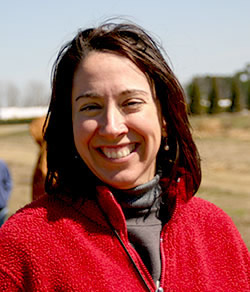
Katie Jennings is an Associate Professor at North Carolina State University , specializing in weed management for small fruits and vegetables. Her research focuses on herbicide efficacy and carryover, weed/crop competition, weed biology, and field residue studies. She is affiliated with the Department of Horticultural Crop Production and Management. Research Highlights: Investigates herbicide resistance (e.g., glufosinate-resistant Palmer amaranth), develops sustainable weed control systems using cover crops, and evaluates herbicide impacts on specialty crops like sweetpotato and blueberry. Key Contributions: Published extensively on herbicide drift effects, crop tolerance, and integrated weed management in sweetpotato, soybean, and cotton systems. Collaborated on regional guides including the Southeastern US Vegetable Crop Handbook . Contact: katie_jennings@ncsu.edu
Michael Coleman is a Professor at Aston Pharmacy School, part of the College of Health and Life Sciences at Aston University. He leads the Pharmacology & Translational Neuroscience Research Group (PTNRG), focusing on neurotoxicity assays, drug development, and mechanisms of disease. His academic career spans over four decades, including roles as Senior Lecturer (2003-2006) and Lecturer (1991-2003) in Toxicology at Aston University, and a Wellcome Fellowship at the University of Liverpool (1989-91). Education : PhD in Pharmacology (1982-85), University of Liverpool BSc (Hons) Pharmacology, First Class (1979-82), University of Liverpool Doctor of Science (D.Sc.), Aston University (2005) Research Focus : Design of in vitro neurotoxicity models using human cells/tissues, toxicological mechanisms of drug adverse effects (e.g., dapsone), methemoglobin formation, and molecular mechanisms of diabetic complications. His work emphasizes antioxidant therapies and alternative non-animal testing methods. Publications Trends : Recent articles address neuroinflammation, SARS-CoV-2 pathogenesis, and dietary interventions for diabetes. He frequently explores toxic effects of pharmaceuticals and environmental agents using in vitro systems. Awards : 2007: Elected Fellow of the Royal Society of Medicine Advising & Grants : Supervised 7 research projects, including a doctoral thesis on materials science (1971). Active in securing funding for neurotoxicity and drug safety research. Labs/Teams : Directs the PTNRG group, collaborating internationally on toxicology and CNS modeling. Engages in multidisciplinary projects linking pharmacology, toxicology, and regenerative medicine.
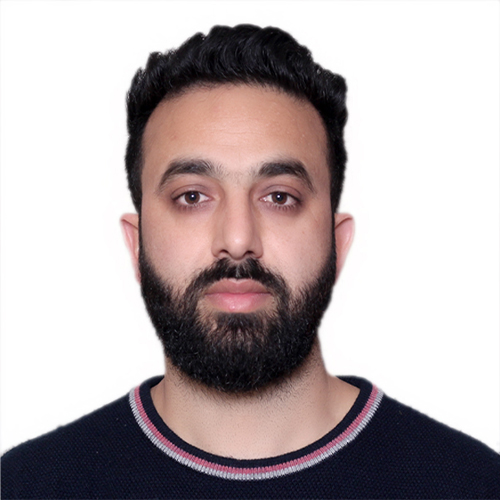
Dr. Hasham Shafi is a Postdoctoral Associate in the Mansour Lab at Florida International University (FIU). His research focuses on overcoming drug resistance in tuberculosis (TB) through targeted drug delivery systems and host-directed therapies. He holds a Ph.D. in Pharmaceutics from the CSIR-Central Drug Research Institute and the University of Kashmir, India, with prior experience as a Research Fellow in nanotechnology and pharmaceutics. Dr. Shafi’s expertise includes formulation development (e.g., dry powder inhalations, fast-dissolving systems), analytical methods, and preclinical studies in biomedicine. His work spans drug delivery systems for antibiotics, nanofiber fabrication, and biomaterials engineering. He has contributed to studies on mycobacterial biofilms, phage therapy, and modulating host immune responses to combat drug resistance. His recent articles emphasize innovations in drug delivery mechanisms for TB treatment, biomaterials for tissue engineering, and preclinical pharmacokinetic studies. His research integrates interdisciplinary approaches to address unmet needs in antimicrobial therapies and targeted drug delivery.
Gene is a researcher at the National Institute of Environmental Health Sciences (NIEHS), focusing on Gene-Environment Interaction and Computational Toxicology . Their work emphasizes developing in silico methods to replace animal testing (e.g., STopTox and DeTox models) and advancing drug discovery through machine learning and QSAR modeling. Key contributions include predictive toxicity frameworks and novel antiviral compound design. Research interests span drug discovery , molecular modeling , and environmental health risk assessment . Publications highlight innovations in AI-driven drug combinations, QSAR model validation, and toxicity prediction for developmental and systemic effects. Gene collaborates on projects like the Small Molecule Antiviral Compound Collection (SMACC) and helicase-targeting therapies.
Dr Mark Hewitt is a Senior Lecturer in Pharmaceutics at the School of Pharmacy, University of Wolverhampton. He serves as Admissions Tutor for BSc, HND, MSci, and MPharm courses, while also leading course development, website maintenance, and marketing initiatives. His academic expertise spans predictive toxicology , computational chemistry , and chemoinformatics in drug design. BSc in Pharmaceutical and Chemical Science (2004), Liverpool John Moores University PhD in Predictive Toxicology (2007), funded by EU ReProTect project Mark's research focuses on applying in silico methods to reduce animal testing in pharmaceutical development, particularly for hepatotoxicity and developmental toxicity prediction. His work includes creating standardized frameworks for model validation and electrophilic reactivity assessment. Recent publications highlight his contributions to chemical categorization, read-across methodologies, and 3Rs-compliant experimental design. Notably, he co-authored a 2015 Advanced Drug Delivery Reviews article on in silico model validity assessment. Nominated for Vice Chancellors 'Unsung Hero' award (2016) for teaching excellence Senior Fellow of Higher Education Academy (SFHEA) In teaching, Mark develops science-focused soft skills and leads open day initiatives. He contributes to the Faculty of Science and Engineering Website Task Group and Discovery Days events.
Dr. Adi Baumgartner is a Senior Lecturer in Biomedical Sciences at York St John University, affiliated with the School of Science, Technology and Health. She holds a PhD from Ludwig-Maximilians-University (1999) and has held roles including Post-doctoral Fellow at Helmholtz Center Munich and Marie-Curie Fellow at the University of Bradford. Her research focuses on genotoxicology, oxidative stress, and nanoparticle impacts on somatic/germ cells, with emphasis on antioxidant interventions. She has extensive international collaborations, including work on microfluidic diagnostics for acute coronary syndrome and transgenerational mutagenesis studies via the European NewGeneris project. Teaching responsibilities include Cell and Molecular Biology, Cellular Pathology, and supervising undergraduate/graduate research projects. Research interests span cancer cytogenetics, male-mediated genetic defects, and the genotoxic effects of environmental agents. Notable contributions include identifying paternal smoking as a transgenerational mutagen and developing CGH probes for preimplantation genetic diagnosis. She has published over 50 peer-reviewed articles since 1997, focusing on DNA damage assessment methods like the Comet assay and FISH techniques. Current projects explore exosome-based therapies for melanoma and wound healing using bovine colostrum derivatives. Education: BSc/MSc Biology (University of Regensburg), PhD (LMU Munich) Professional activities: Fellow of HEA, member of Histochemical Society Key collaborators: University of Bradford, UCSF, Helmholtz Center Munich Her work bridges basic research with clinical applications, emphasizing translational genotoxicology and innovative biomarker development. Recent projects investigate antioxidant effects of stem cell exosomes in cancer and inflammatory disorders.
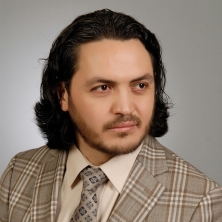
Yener Tekeli is a Professor of Pharmaceutical Biotechnology at Adıyaman University's Faculty of Pharmacy, Department of Pharmaceutical Technology Sciences. He holds a Doctorate in Chemistry from Selçuk University (2008) and has held academic positions since 2009, including roles as Head of Department at Adıyaman University. His research focuses on biochemistry, antioxidant activity, fatty acid analysis, and antimicrobial testing, with emphasis on plant-derived compounds and pharmaceutical applications. Educational background includes a B.Sc. in Chemistry (Selçuk University, 1996), M.Sc. in Physical Chemistry (2001), and Ph.D. in Plant Chemistry (2008). He has supervised 13 M.Sc. and Ph.D. theses, notably on antimicrobial properties of plant extracts and fatty acid compositions. Research interests span phytochemistry, drug design, and analytical methods in food and pharmaceuticals. Over 40 peer-reviewed articles and 55 conference papers highlight his work in plant-derived natural products, biosensors, and nanomaterials. He has led 16 research projects, including laboratory infrastructure development and molecular characterization studies. Administrative roles include Department Head (2018-2021) and Vice-Dean at Mustafa Kemal University. Recognized for expertise in biotechnology and analytical techniques, his contributions bridge traditional plant chemistry with modern pharmaceutical and environmental applications.
Luis Miguel Botana Lopez is a Professor at the University of Santiago de Compostela, affiliated with the Faculty of Veterinary Medicine and the Department of Pharmacology, Pharmacy and Pharmaceutical Technology. He leads the FARMATOX research group, focusing on marine toxins, including their mechanisms, therapeutic applications, and detection methods. His work spans pharmacology, environmental toxicology, and food safety, with a strong emphasis on cyanotoxins, mycotoxins, and their impacts on human and environmental health. Botana holds a PhD from the University of Santiago de Compostela (1985), specializing in adrenergic mediation of mast cell activity. His research integrates analytical chemistry, molecular biology, and toxicology to address toxin-related challenges in aquatic ecosystems, food production, and public health. Key research interests include: Environmental and foodborne toxin detection and mitigation Neurotoxicology and mechanisms of toxin-induced cell damage Development of nanotechnology-based detoxification systems Interactions between toxins and cellular pathways (e.g., calcium signaling, mitochondria) Bioavailability and synergistic effects of mycotoxins and marine biotoxins His recent work highlights advancements in magnetic nanoparticle applications for toxin removal, cyclophilin proteins' roles in inflammation, and the toxicological evaluation of emerging contaminants in dairy and seafood products. Botana collaborates internationally on methodological improvements for toxin analysis (e.g., QuEChERS, LC-MS/MS) and participates in regulatory discussions on food safety standards. Botana has contributed to over 100 peer-reviewed articles, focusing on toxin detection, mechanisms of action, and mitigation strategies. His research often bridges basic science and applied solutions, addressing global challenges like climate-driven toxin proliferation and food chain contamination.
Ana Juan García is an Associate Professor in the Department of Preventive Medicine at the Faculty of Pharmacy and Food Sciences, University of Valencia. Her academic specialization lies in Toxicology, with a strong focus on assessing the toxic effects of environmental and foodborne contaminants using alternative methodologies. Her research interests include: Toxicology and risk assessment of chemical mixtures Development and application of alternative methods to animal testing Analysis of organic contaminants in food Food safety and public health implications of contamination Chromatographic and analytical techniques for residue detection The publications listed reflect a consistent focus on analytical toxicology, particularly in the domain of food safety and environmental exposure. Though specific articles are not detailed here, her work contributes significantly to understanding contaminant risks through advanced laboratory methods. She is an active member of the RiskTox research group, which specializes in alternative approaches for toxicity evaluation, and previously contributed to the COAL group on food contamination. Her doctoral training was completed at the University of Valencia in 2008, where she investigated chromatographic techniques for detecting organic residues in food, under the supervision of Dr. Yolanda Picó García and Dr. Guillermina Font Pérez.
Andrey Khlystov serves as a Research Professor in Chemistry within the Atmospheric Sciences division at the Desert Research Institute (DRI) in Reno, Nevada. With over two decades of continuous research activity, his work focuses on critical atmospheric chemistry questions related to aerosol formation, transformation, and impacts on air quality and human health. Dr. Khlystov's research interests span multiple interconnected domains of atmospheric science. His primary focus is on aerosol chemistry, particularly the physical and chemical properties of particles emitted from various sources including biomass burning, electronic cigarettes, and cannabis cultivation. He has made significant contributions to understanding the volatility of organic aerosols, bioaerosol characterization, and the chemical transformations that occur as emissions age in the atmosphere. His work bridges fundamental aerosol physics with practical environmental and health concerns, particularly regarding wildfire smoke impacts and emissions from emerging products like e-cigarettes. Analysis of Dr. Khlystov's recent publications (2022-2024) reveals several key research trajectories. His work increasingly focuses on the intersection of atmospheric chemistry with public health concerns, particularly regarding emissions from cannabis products and their impacts on indoor and outdoor air quality. He has developed novel methodologies for measuring and characterizing complex aerosol mixtures, with particular emphasis on volatile and semi-volatile organic compounds. His research on wildfire smoke has expanded to examine impacts beyond traditional air quality metrics, including effects on agricultural products and water systems. The interdisciplinary nature of his work is evident in collaborations spanning atmospheric science, toxicology, analytical chemistry, and environmental health. Dr. Khlystov actively mentors several researchers including Vera Samburova, Chiranjivi Bhattarai, Young-Min Son, Dipti Sengupta, Pavel Bahdanovich, and Kelsey Axelrod. His laboratory at DRI maintains specialized equipment for aerosol characterization, including thermodenuders for volatility measurements, oxidation flow reactors for aging studies, and advanced analytical instrumentation for chemical speciation. His research has been supported by various funding sources including the National Science Foundation and Health Effects Institute, with particular emphasis on understanding emissions from emerging sources and their atmospheric processing.
Hilary Cassidy is an Assistant Professor in Toxicology, Pharmacology & Regulatory Affairs at the School of Biomolecular and Biomedical Science, University College Dublin (UCD). She holds a BSc in Toxicology from Athlone Institute of Technology, a BSc in Biochemistry and Biotechnology from Dublin Institute of Technology, and both an MSc and PhD in Pharmacology and Toxicology from UCD. Dr. Cassidy is a registered toxicologist on both the Irish and European Registers (IRT/ERT). Her academic journey includes: Assistant Professor in Toxicology, Pharmacology & Regulatory Affairs at UCD (2021-present) Assistant Professor in Toxicology and Pharmacology at UCD (2019-2021) Specialist Lecturer at Dublin Technology University (2014-2020) Baxter Newman Fellow at UCD Conway Institute (2014-2016) Postdoctoral Researcher at UCD Systems Biology Ireland (2016-2019) Dr. Cassidy's research focuses on the application of OMIC technologies for identifying novel urinary biomarkers of renal disease, with particular interest in the role of primary cilia as a source of urinary biomarkers. She leads a research group in Systems Biology Ireland UCD focused on toxicology, renal disease and cancer. Her work includes developing alternatives methods in toxicity testing for chemical screening and establishing novel accurate models of renal cell injury. She is also one of three PIs forming the UCD Centre for Toxicology. Dr. Cassidy has been involved in the international SmartNanoTox project, a Horizon 2020 project concerned with understanding the mechanisms of toxicity associated with inhaled nanoparticles. Her recent publications reveal a strong trend toward nanotoxicology, renal disease biomarkers, and cancer research, particularly kidney cancer. The articles demonstrate expertise in proteomic and genomic approaches to understanding disease mechanisms and identifying potential therapeutic targets. Her work often involves collaboration across multiple institutions and disciplines. Her scientific recognition includes: Baxter Newman Fellowship (2014) Irish Registered Toxicologist (2023) Teacher of the Year award (2023) Teacher of the Year award (2019) Dr. Cassidy is an experienced lecturer in toxicology, pharmacology, biochemistry, and related disciplines including renal pharmacology, diabetes and diabetic complications, chemotherapeutic agents, and principles of microbial infection. She coordinates and delivers a postgraduate module for PhD students on being effective demonstrators and undergraduate teachers. Her teaching portfolio includes Advanced Renal Pharmacology, Chemotherapeutic Agents, Environmental Food Occupational Toxicology, Experimental Toxicology and Risk Assessment, and Medical and Forensic Toxicology. She is a member of several professional organizations including the Irish Society of Toxicology, Irish Association for Cancer Research, and The Organization of Professionals in Regulatory Affairs.
Dr Jarrod Bailey is a researcher affiliated with Newcastle University , focusing on interdisciplinary studies in Molecular Biology , Reproductive Biology , and Toxicology . His work includes collaborations with notable academics such as Professor Steve Robson and Emeritus Professor Nick Europe-Finner. His research interests span genetic risk factors in hematological malignancies, human predictivity in animal carcinogenicity studies , and mechanisms of gene regulation in reproductive tissues . He has critiqued traditional animal testing and advocated for in vitro teratology models . His publications highlight expertise in pharmacology , developmental biology , and regulatory frameworks like REACH. While no specific awards or student advising details are listed, his collaborative work underscores significant contributions to biomedical research.
Prof. Dr. Abdullah DOĞAN is a distinguished faculty member at Kafkas University's Faculty of Veterinary Medicine, Department of Pharmacology and Toxicology. He has served as a full-time Professor since 2001, following progressive academic appointments including Associate Professor (1995-2001) and Assistant Professor (1992-1995). His academic journey includes significant administrative roles such as Department Chair and Institute Director. Ankara University, Institute of Health Sciences - Doctorate in Veterinary Pharmacology and Toxicology (1987-1991) Fırat University, Faculty of Veterinary Medicine - Bachelor's Degree in Veterinary Medicine (1981-1986) Professor DOĞAN's research spans veterinary pharmacology and toxicology with emphasis on genotoxicity, mutagenicity, and carcinogenicity studies. His work explores the effects of various compounds including acrylamide, bisphenol A, and plant extracts on biological systems. He has extensively investigated oxidative stress parameters, micronucleus formation, and the protective effects of phenolic compounds. His research employs diverse models including mice, rats, fish, and cell lines, with particular focus on environmental toxins and potential therapeutic interventions. His publication record shows consistent scholarly output with recent works (2020-2023) focusing on cancer treatment approaches, antibacterial compounds from natural sources, and detoxification methods. Earlier publications (2010-2015) centered on fibrosarcoma prevention, acrylamide toxicity, and bacterial inhibition studies. His work demonstrates a clear trajectory from fundamental toxicology research toward potential therapeutic applications. Professor DOĞAN has successfully supervised multiple graduate students through their thesis research, demonstrating his commitment to academic mentorship. His collaborative research network spans numerous institutions across Turkey, with frequent collaborations with researchers like Pınar Aksu-Kılıçle and Dinçer Erdağ. He has contributed significantly to both basic and applied research through numerous funded projects from higher education institutions and other public organizations. His laboratory work encompasses in vitro and in vivo methodologies for assessing genotoxicity, oxidative stress, and antimicrobial effects. He maintains active involvement in professional organizations including the Turkish Veterinary Pharmacology and Toxicology Association and the Turkish Toxicology Association, reflecting his standing in the scientific community.
Leanne Gilbertson is an Assistant Professor in the Department of Civil & Environmental Engineering at the University of Pittsburgh . Her research focuses on understanding material interactions at environmental and biological interfaces to develop sustainable design guidelines for nanomaterials, ensuring their safe and effective use in products. At the molecular-level , she investigates chemical composition and atomic arrangement of nanomaterials like graphene, carbon nanotubes, silver/copper nanoparticles, and natural polymers to control their functional properties and hazard profiles. At the systems-level , she employs life cycle assessment to evaluate environmental, economic, and performance trade-offs of emerging technologies, enabling redesign to minimize upstream and downstream adverse impacts. The trends in her publications reflect a strong emphasis on nanomaterial sustainability , particularly in environmental fate and toxicity of silver and carbon-based nanomaterials systems approaches to nano-enabled agriculture life cycle assessment of synthesis routes and applications design strategies for circular economy toxicity mechanisms at biological interfaces . Her work bridges molecular-scale material science with macro-level sustainability evaluation. The Gilbertson Group integrates experimental and modeling approaches to inform safer nanomaterial design, with applications in agriculture, water treatment, and environmental health. Her research aims to decouple functional performance from environmental and biological hazards through controlled material engineering.
Mary T. Laird, MD, FAAD serves as an Assistant Professor in the Department of Dermatology at Yale School of Medicine. She is a practicing dermatologist at Yale Medicine Dermatology in Madison, CT, where she diagnoses and treats various skin conditions with a special focus on women's health dermatology. Dr. Laird received her medical degree from New York University School of Medicine, completed her internship at Memorial Sloan Kettering Cancer Center, and finished her dermatology residency at Yale University. She is board certified in Dermatology by the American Board of Dermatology, with certification obtained in 2022. Dr. Laird has a particular interest in women's health and dermatology, especially dermatology as it relates to pregnancy and lactation. Her clinical specialties include treatment of birthmarks, seborrheic keratosis, rosacea, and viral warts. She emphasizes patient interaction and education in her practice, believing that "the skin can really be a window into a person's overall health and has a huge impact on how people interact with the world." As an assistant professor, she also enjoys teaching residents and medical students at Yale. Her research spans multiple areas of dermatology, with publications focusing on contact dermatitis, cutaneous lymphoma, dermatological manifestations of systemic diseases, and women's health dermatology. She frequently collaborates with colleagues including Alicia Little, Jennifer McNiff, and Michael Girardi on research projects related to skin conditions and their treatments. Dr. Laird is actively involved in patient care and medical education at Yale, contributing to both clinical practice and academic dermatology. She serves as a faculty member in the Dermatology Residency Program and various fellowship opportunities at Yale School of Medicine.