معرفی
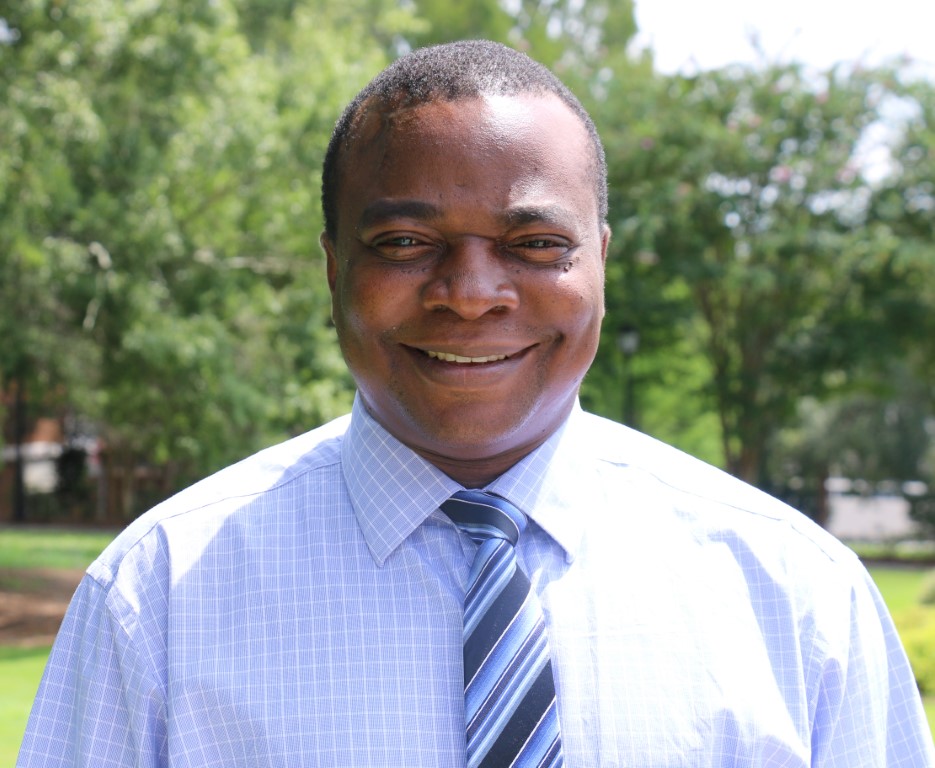
Xingen Lei is Professor of Molecular Nutrition in the Department of Animal Science and Division of Nutritional Sciences at Cornell University's College of Agriculture and Life Sciences (CALS), where he also serves as Associate Dean for the Office of Research and Innovation. He joined Cornell as an assistant professor in 1995, was promoted to associate professor in 2000, full professor in 2006, and associate dean in 2023.
His research spans nutritional genomics, sustainable animal agriculture, and human health, with particular expertise in selenium metabolism, phytase development, and alternative protein sources. Lei pioneered the development of bacterial phytases now used in approximately 50 countries, which have reduced global phosphorus excretion from food animals by 30-50%. His work on converting poultry feathers and microalgal biomass into high-value feed proteins addresses critical challenges in global food security.
Lei's publication portfolio includes 264 papers with an h-index of 74 and over 19,000 citations. His recent work focuses on selenium's role in diabetes and obesity, protein engineering of hydrolytic enzymes, development of alternative feed proteins, and biofortification of staple foods. His research employs diverse models including food-producing animals, laboratory species, and cellular systems to advance understanding of nutrient metabolism and develop practical applications for improving human health and environmental sustainability.
- 2025 CALS Outstanding Accomplishments in Research Award
- 2024 Editor-in-Chief, The Journal of Nutrition, ASN
- 2021 Fellow of National Academy of Inventors, USA
- 2017 FASS-AFIA New Frontiers in Animal Nutrition Award
- 2017 Gary L. Cromwell Award in Mineral Research
Professor Lei has advised 145 graduate students, postdocs and visiting fellows while securing substantial grant support from federal and private sponsors. He currently leads a $10 million USDA/NIFA/SAS-funded project to empower the US broiler industry for sustainability and profit. His laboratory hosts 5-8 undergraduate researchers each semester, providing hands-on research experience in molecular nutrition and animal science.