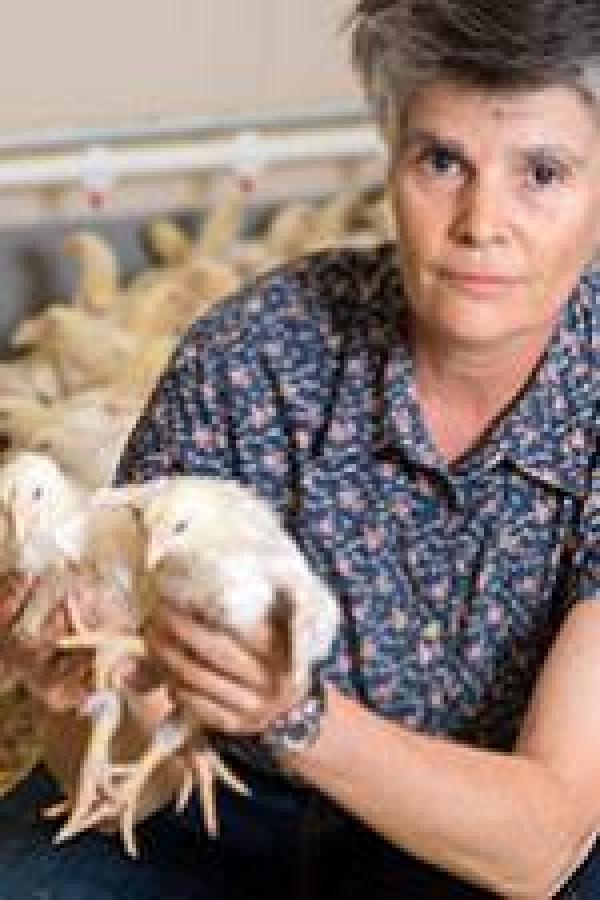
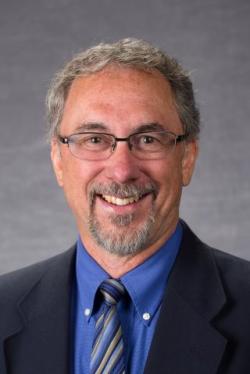
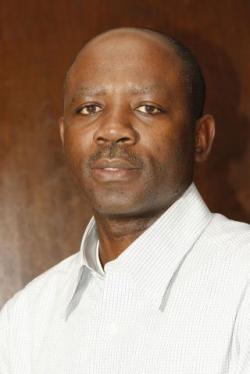
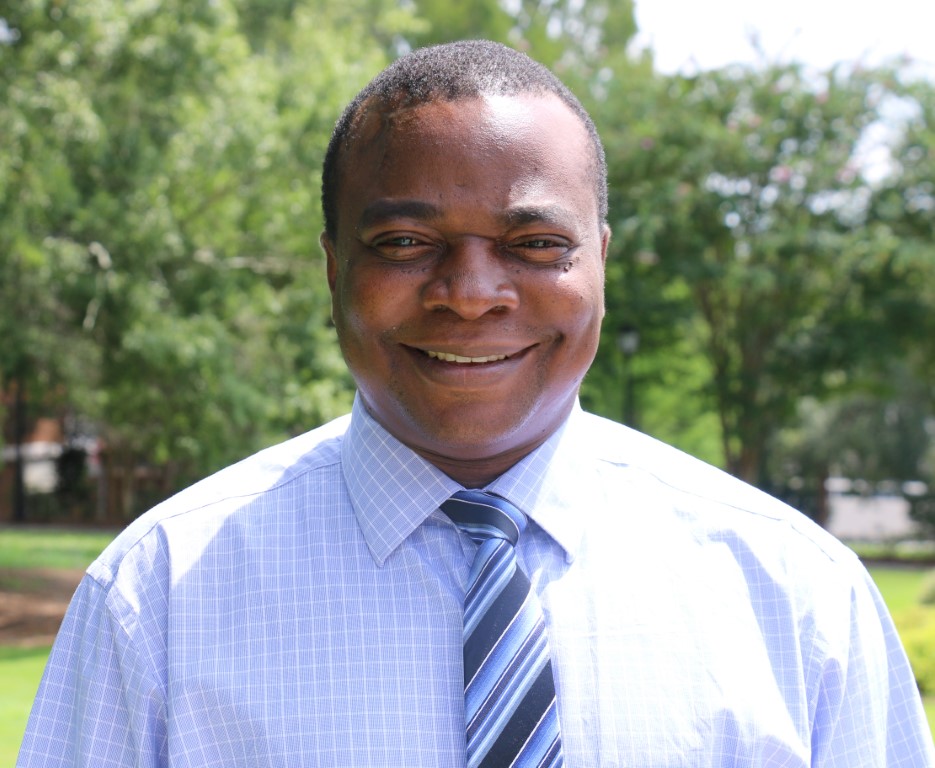
Dr. Roselina Angel is a Professor in the Department of Animal and Avian Sciences at the University of Maryland's College of Agriculture and Natural Resources. With expertise in poultry nutrition, she holds a PhD in Poultry Nutrition from Iowa State University and has been with the university since 1998, initially joining as an Assistant Professor. Research Focus Areas Calcium and phosphorus metabolism in poultry Phytase and enzyme supplementation Environmental impact reduction Nutritional strategies for exotic animals Feed additive efficacy Mineral utilization optimization Her recent publications (2025–2023) concentrate on mechanistic modeling of mineral digestibility, circadian nutrient regulation in laying hens, and the environmental implications of poultry nutrition. These studies frequently examine interactions between dietary calcium/phosphorus ratios, phytase application, and ingredient selection across broilers and laying hens.
Adjunct Professor Robert Speight holds a position at Queensland University of Technology (QUT) within the Faculty of Science, School of Biology & Environmental Science. His primary role is Director of CSIRO's Advanced Engineering Biology Future Science Platform. He focuses on microbial biotechnology, enzyme engineering, and industrial biotechnology applications. His research spans protein engineering, microbial production systems, and biocatalyst development for industrial processes. Education: BSc (Chemistry) from Imperial College London (1996) PhD in Biochemistry from the University of Cambridge (2000) Research Interests: Enzyme optimization for industrial applications Microbial protein production systems Biocatalytic processes for chemical manufacturing Biorefinery development and techno-economic assessments Synthetic biology for future foods and sustainable bioproduction Grants & Projects: Lead investigator for the $6.5M Queensland Sustainable Aviation Fuel Initiative ARC Centre of Excellence in Synthetic Biology (2020–present) Biorefineries for Profit Phase 2 (RnD4Profit 2019) Collaborations: Works with industry partners and academic groups, including the ARC Centre of Excellence in Synthetic Biology and the Centre for Agriculture and Bioeconomy at QUT. Affiliations: President of Synthetic Biology Australasia CSIRO Director of Advanced Engineering Biology Future Science Platform Labs/Teams: Maintains collaborations in enzyme engineering and microbial systems through QUT’s adjunct role and CSIRO leadership.
Per Erik Saris is a Professor at the Department of Microbiology, Faculty of Agriculture and Forestry, University of Helsinki. His research spans microbiology, food biotechnology, and functional food development. Research focuses on microbial applications in food systems including probiotic and postbiotic development, fermentation processes, bioactive compound production, and food safety innovations. Key areas include bacteriocin applications, microbial genomics, and sustainable food processing. Recent publications demonstrate advancements in functional foods, novel fermentation techniques, and microbiome interactions with human health. Research integrates microbiology with food science and biotechnology principles. Ongoing projects include Parkinson's microbiome interactions, cereal-based fermented foods for nutrition enhancement, and spray-drying stabilization techniques for probiotics.
Olayiwola Adeola is a Professor of Animal Sciences at Purdue University's College of Agriculture. With expertise in Swine and Poultry Nutrition , he focuses on nutrient digestibility, feed ingredients, and gut microbiome research. His work bridges practical animal feeding strategies with advanced biochemical analysis. B.S., University of Ife, Nigeria M.S. and Ph.D., University of Guelph, Canada His research explores: Heat treatment effects on feed protein quality Phytase enzyme applications for mineral absorption Gut microbiome modulation through dietary supplements Energy metabolism in swine and poultry diets Non-invasive bone health assessment methods Impact of dietary fiber and antinutritional factors Recent publications highlight collaborations with researchers like Dr. Kola Ajuwon, advancing understanding of: Branched-chain amino acid interactions Maternal yeast supplementation effects Black soldier fly larvae meal applications Calcium-phosphorus balance mechanisms Dr. Adeola teaches graduate courses: ANSC 52200 - Monogastric Nutrition ANSC 62000 - Proteins and Amino Acids in Nutrition Current lab members include graduate students Abidemi Adekoya, Yuechi Fu, and Tanner Wise, with administrative support from Lab Manager Pat Jaynes.
Prof. Ulrich Schwaneberg serves as a University Professor at RWTH Aachen University's Faculty of Mathematics, Computer Science and Natural Sciences within the Institute of Biotechnology. His research group operates from the Biology Sammelbau facility (Worringerweg 3, Aachen) and maintains strong ties with the DWI - Leibniz Institute for Interactive Materials. His primary research focuses on protein engineering and biocatalysis , with significant contributions to plastic degradation technologies (particularly PET hydrolases), material-binding peptide development , and high-throughput screening methodologies . Key research thrusts include engineering enzymes for plastic recycling, developing anchor peptides for industrial applications, and creating novel biocatalytic systems for sustainable chemistry. Recent publications reveal a strong trend toward computational-guided enzyme design (using MD simulations and machine learning) combined with practical applications in environmental remediation . His team actively develops solutions for microplastic detection, phosphate recovery, and textile functionalization using biohybrid systems. The 2025 article portfolio demonstrates particular emphasis on PET degradation technologies and enzyme immobilization strategies. Prof. Schwaneberg leads the recently launched Materials Lab Incubator (MerLIn) funded with over 7 million euros from BAFA, and coordinates the Bio4MatPro competence center connecting industry partners with academic research. His group actively recruits Chinese students through CSC fellowships and organizes the annual Aachen Protein Engineering Summer School (AcES2) . The Schwaneberg group maintains state-of-the-art facilities for directed evolution, high-throughput screening, and biocatalytic process development, with strong industry partnerships focused on sustainable material innovations. Current initiatives include the development of flame-retardant textile coatings using biohybrid anchor peptides and scalable systems for plastic upcycling.
Prof. Georg Dusel is a Professor of Animal Nutrition and Animal Hygiene at the University of Applied Sciences Bingen, Germany, since 2004. He holds a Dr. agr. degree and has held roles at Muskator Futtermittel and Evonik-Degussa. His research focuses on feed science, livestock nutrition, and gastrointestinal health, with emphasis on phytase effects, plant extracts, and nutritional strategies for dairy cows and pigs. He has advised 2 completed doctoral theses and is currently supervising 4 more. His work includes over 48 peer-reviewed publications and numerous conference contributions. He received the International DLG Prize (Young Scientist) in 1999. Education: Postdoctoral studies at University of Manitoba (1998-2000), Ph.D. from Martin-Luther-University Halle-Wittenberg (1995-1998) Teaching: Courses in nutritional physiology, feed science, and animal hygiene across B.Sc./M.Sc. programs Research Interests: Optimizing feed utilization, enzyme supplementation, plant-derived bioactives, and metabolic adaptations in livestock His recent work explores grape seed extracts' impact on dairy cow metabolism, phytase efficacy in swine diets, and ad libitum feeding strategies for calves. Collaborations include institutions like the University of Alberta and University of Manitoba.
Professor Philip M. Haygarth is a Professor of Soil and Water Science at Lancaster University's Lancaster Environment Centre (LEC), where he has been based since 2008 after beginning his research career at BBSRC's North Wyke in the early 1990s. He serves as Director of the Lancaster University Graduate School for the Environment since September 2022 and previously directed the National NERC/BBSRC Centre for Doctoral Training in Soil Science from 2015-2024. Haygarth is a biogeochemist specializing in nutrient cycling, particularly phosphorus dynamics in soil-water systems. His research spans from fundamental mechanisms in soils to catchment, national, and global scales. He developed the influential 'Transfer Continuum' model and related 'Cost Curve' and 'Diffuse Pollution Inventory' models that underpin nutrient management frameworks used by UK Government and international bodies. His current research focuses on extreme event impacts on soil-water nutrient biogeochemistry through the UKRI NERC project 'Accelerating Nutrient Cycles at the Riparian Land:Water Interface', examining nitrogen, phosphorus, and carbon release in river systems across England, Scotland, Sweden, and Germany. His publication record includes approximately 260 papers, with five appearing in Nature journals since 2021, plus authored books. Recent work (2025) addresses sustainable phosphorus networks in Africa, legacy phosphorus definitions, and soil phosphorus stocks' implications for global reserves and water quality. His research demonstrates consistent focus on practical applications for environmental management and policy. Haygarth has secured £14.4m in research funding at Lancaster, with £9.8m as lead PI, including leadership of the National Defra Demonstration Test Catchment team in the River Eden (2010-2020). He personally supervised 26 successful PhD students and supported an additional 40 through his Director role with STARS. He provides strategic guidance internationally to planning bodies in the UK, Ireland, and New Zealand. His professional activities include appointments to the Northern Ireland Government's Higher Level Science Advisory Group, the Environmental Markets Board Scientific Advisory Group, and chairing the NERC Global Partnerships Seedcorn Fund panel. He delivers keynotes at major international conferences including ASLO and ISSPA.
Dr. Ranjith Ramanathan is a Professor in the Department of Animal and Food Sciences at Oklahoma State University, holding the Leo & Kathy Noltensmeyer Endowed Research Chair. He earned his Ph.D. in Animal Science from the University of Connecticut (2012), and his Bachelor's in Veterinary and Animal Science from Kerala Agricultural University, India (2004). With over 13 years of faculty experience, he specializes in meat science, focusing on meat quality, myoglobin biochemistry, and mitochondrial function. He has secured $7.3M in research grants and published 101 peer-reviewed articles. His research addresses meat discoloration mechanisms, applying metabolomics and AI techniques. He has mentored 19 graduate students and 54 committee roles, alongside training 32 undergraduates. Teaching includes four food science courses: Fundamentals of Food Science, Food Chemistry, Analysis of Food Products, and Advanced Food Chemistry. He is recognized for teaching excellence by multiple institutions. Key achievements include: Development of novel tools for meat color analysis (e.g., electrochemical and spectroscopic methods) Advances in understanding dark-cutting beef metabolism and mitochondrial roles Strategies to mitigate meat waste via improved packaging and storage Scientific awards include honors from the American Society of Animal Science, American Meat Science Association, and NACTA. His work emphasizes sustainable food systems and reducing post-harvest losses.
Merlin Lindemann is a Professor in the Department of Animal and Food Sciences at the University of Kentucky’s College of Agriculture, Food and Environment. As a 2022-23 University Research Professor, he has demonstrated excellence in addressing scientific challenges in swine nutrition and management. His work spans global impacts through collaborations, presentations in 35 countries, and research influencing FDA and NRC guidelines. Education B.S. in Animal Science, University of Minnesota (1977) Ph.D. in Animal Science, University of Minnesota (1981) Lindemann’s research focuses on dietary modifications to improve swine performance and waste management, trace mineral supplementation, organic chromium effects, omega-6/omega-3 fatty acid ratios, and equipment impacts on swine productivity. His work has resulted in 135 refereed publications and over 500 total publications. He received the University Research Professorship (2022-23) for his contributions. Lindemann has guided 36 graduate students from eight countries and collaborated with over 60 agricultural companies. His program includes hosting visiting professors and delivering over 70 international presentations to 3,500 people in 14 years.
Xingen Lei is Professor of Molecular Nutrition in the Department of Animal Science and Division of Nutritional Sciences at Cornell University's College of Agriculture and Life Sciences (CALS), where he also serves as Associate Dean for the Office of Research and Innovation. He joined Cornell as an assistant professor in 1995, was promoted to associate professor in 2000, full professor in 2006, and associate dean in 2023. His research spans nutritional genomics, sustainable animal agriculture, and human health, with particular expertise in selenium metabolism, phytase development, and alternative protein sources. Lei pioneered the development of bacterial phytases now used in approximately 50 countries, which have reduced global phosphorus excretion from food animals by 30-50%. His work on converting poultry feathers and microalgal biomass into high-value feed proteins addresses critical challenges in global food security. Lei's publication portfolio includes 264 papers with an h-index of 74 and over 19,000 citations. His recent work focuses on selenium's role in diabetes and obesity, protein engineering of hydrolytic enzymes, development of alternative feed proteins, and biofortification of staple foods. His research employs diverse models including food-producing animals, laboratory species, and cellular systems to advance understanding of nutrient metabolism and develop practical applications for improving human health and environmental sustainability. 2025 CALS Outstanding Accomplishments in Research Award 2024 Editor-in-Chief, The Journal of Nutrition, ASN 2021 Fellow of National Academy of Inventors, USA 2017 FASS-AFIA New Frontiers in Animal Nutrition Award 2017 Gary L. Cromwell Award in Mineral Research Professor Lei has advised 145 graduate students, postdocs and visiting fellows while securing substantial grant support from federal and private sponsors. He currently leads a $10 million USDA/NIFA/SAS-funded project to empower the US broiler industry for sustainability and profit. His laboratory hosts 5-8 undergraduate researchers each semester, providing hands-on research experience in molecular nutrition and animal science.
Dr Carlos Horacio Luna-Flores is a Postdoctoral Research Associate in the School of Biology & Environmental Science at Queensland University of Technology (QUT). He holds a Doctor of Philosophy (University of Queensland) and focuses on biotechnology, microbial systems, and metabolic engineering. His research spans enzyme production optimization, astaxanthin synthesis in Phaffia rhodozyma, and propionic acid biosynthesis processes. Education: PhD in Biotechnology (University of Queensland) Research Interests: Dr Luna-Flores specializes in microbial fermentation optimization, genetic engineering of yeast systems (e.g., Saccharomyces cerevisiae, Pichia pastoris), and bioprocess development for high-value compounds like phytase and astaxanthin. His work integrates oxidative stress modulation, temperature-responsive systems, and genome shuffling techniques. Supervision: He advises on projects related to astaxanthin extraction and formulation from Phaffia rhodozyma fermentations. Collaborative efforts include enhancing biocatalytic processes for pharmaceuticals (e.g., codeine synthesis) and improving microbial strain performance through metabolic pathway engineering. Labs/Teams: Active in QUT’s biotechnology research groups, contributing to interdisciplinary projects in synthetic biology and industrial microbiology.
Branko Petrujkić is a full Professor at the Department of Nutrition and Botany within the Faculty of Veterinary Medicine at the University of Belgrade. With decades of academic experience, he has established himself as a leading expert in animal nutrition and veterinary sciences, contributing significantly to both teaching and research in his field. His research interests span multiple domains of animal science, with particular expertise in animal nutrition (especially for pigs, poultry, and ruminants), food safety, selenium supplementation, reproductive technologies, and meat quality analysis. Professor Petrujkić's work consistently addresses practical challenges in animal production through rigorous scientific investigation, bridging theoretical knowledge with real-world applications. Analysis of his publication history reveals a strong focus on feed additives, reproductive efficiency, and food safety issues. His recent work (2021-2015) demonstrates particular emphasis on mycotoxin detoxification in poultry, alternative protein sources like earthworm meal, and the use of phytogenic compounds for disease prevention in swine. These research trends reflect contemporary challenges in sustainable animal production and food safety. Professor Petrujkić has made significant contributions to veterinary literature through two important books: 'Reproduction in Pigs' (2011) and 'Food Safety for Animals' (2010). His scholarly output includes numerous publications in high-impact journals such as Toxins, Journal of Agricultural and Food Chemistry, and Preventive Veterinary Medicine, demonstrating both national and international recognition of his work. His academic career shows consistent collaboration with colleagues across various institutions, particularly within the University of Belgrade network. These collaborations span multiple research areas, indicating his role as a central figure in veterinary research in Serbia. His teaching responsibilities in animal nutrition for farm animals have shaped the education of numerous veterinary students throughout his career.
Tayo Adedokun serves as an Associate Professor in the Department of Animal and Food Sciences within the Martin-Gatton College of Agriculture, Food and Environment at the University of Kentucky. His research and teaching focus primarily on poultry and swine nutrition, with particular expertise in digestive physiology and gut health. Dr. Adedokun's research interests include evaluating alternative feed ingredients, dietary manipulations to reduce environmental pollution from animal production, and investigating how dietary factors influence gut health, inflammation markers, and nutrient transporters in poultry and swine. His work has significant implications for improving nutrient utilization efficiency and sustainability in animal agriculture. Analysis of his recent publications reveals a strong emphasis on amino acid digestibility, the effects of dietary components on gut physiology, and the application of enzyme technologies to enhance nutrient utilization in both poultry and swine. His research consistently addresses practical challenges in animal production while advancing fundamental understanding of digestive processes. Scientific Awards: Purdue University Animal Science Department LOUJA Ph.D. student presentation travel award (June 2007) Recognition for high scholarship and outstanding achievement, Gamma Sigma Delta Honor Society of Agriculture, Purdue University Chapter (March 2007) International Ingredient Corporation – Pinnacle Graduate Student Recognition Award (June 2006) Purdue University Animal Science Department LOUJA Ph.D. student presentation travel award (June 2006) Dr. Adedokun actively mentors graduate students, with both current and former advisees completing research on topics related to poultry nutrition, gut health, and feed additive efficacy. His laboratory serves as an important training ground for the next generation of animal nutrition scientists, with students conducting research that addresses critical challenges in modern animal agriculture.
Cormac O'Shea is a Professor and Head of Department at the Faculty of Science and Health, Department of Bioveterinary and Microbial Sciences. His research focuses on animal nutrition, feed efficiency, and gastrointestinal health in swine and poultry systems. Recent publications highlight trends in dietary supplementation with marine extracts (laminarin, fucoidan), mineral dynamics in broiler chickens, and metabolic implications of feed efficiency in laying hens. Key subfields include transcriptomic profiling of digestive organs, microbial ecology in livestock, and functional feed additives. While no specific scientific awards are mentioned in the provided text, his work has been covered by media outlets such as the University of Technology and University of Nottingham. His research spans nutritional interventions to improve productivity, organ health, and welfare in commercial livestock systems.
Oluyinka A. Olukosi is an Associate Professor in the Department of Poultry Science at the University of Georgia's College of Agricultural & Environmental Sciences. His research focuses on poultry feed evaluation, nutritional interventions for gut health, and strategies to enhance nutrient utilization efficiency to reduce environmental excretion. Post-doctoral Researcher in Animal Sciences at Purdue University PhD in Animal Sciences from Purdue University MPhil in Animal Science from Obafemi Awolowo University BSc in Animal Science from Obafemi Awolowo University His work investigates the role of enzymes like phytase and xylanase in improving nutrient absorption, the impact of dietary fiber and resistant starches on gut microbiota, and strategies to mitigate mycotoxin effects in poultry. Recent studies highlight interactions between trace minerals, phytase, and intestinal gene expression. The 15 most recent articles reflect expertise in Poultry Science, Animal Nutrition, and Feed Additives. Keywords include Phytate Degradation , Resistant Starch , Alternative Protein Sources , Nutrient Transporters , and Gut Microbiome . Subfields span from Mineral Bioavailability to Smart Farming Technologies .