معرفی
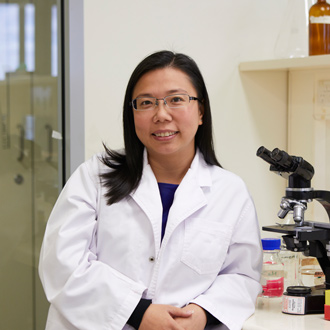
Professor Xiaowei Wang is a leading academic at the Baker Heart and Diabetes Institute, where she heads the Molecular Imaging and Nanotherapeutics laboratory and co-leads the Heart Attack Program and Centre for Cardiometabolic mRNA Therapy. She holds adjunct and honorary academic appointments at the University of Melbourne, La Trobe University, Monash University, Swinburne University, and Torrens University.
Professor Wang earned her PhD from Monash University and is a Fellow of the Australian Academy of Health Sciences (FAHA), Cardiac Society of Australia and New Zealand (FCSANZ), and European Society of Cardiology (FESC). Her research integrates physics, chemistry, biology, and biotechnology to develop clinical-ready diagnostic and therapeutic solutions for cardiovascular disease.
Her work focuses on preclinical molecular imaging using advanced technologies like MRI, PET, and photoacoustic imaging to enable early diagnosis and real-time monitoring of treatments. She pioneers mRNA therapeutics and vaccines delivered via micro- and nano-particles to prevent heart attacks, strokes, and inflammation with minimal side effects.
Key trends in her publications highlight targeted drug delivery, thrombosis prevention, Nanotherapeutics, and translational cardiovascular research. Her studies often explore the intersection of molecular imaging, biomedical engineering, and clinical applications.
Scientific awards and recognitions:
- National Heart Foundation Future Leader Fellowship
- Level 2 Baker Institute Sir Laurence Muir Prize
- World Molecular Imaging Society Mid Career Award
- Inaugural Fellow of the Australian Society of Molecular Imaging
- National Heart Foundation Paul Korner Innovation Award
- Inaugural Women of Colour in STEM Award
- AVBS Achievement and Career Development Award
- 40 Under 40 Most Influential Asian-Australian Award Finalist
Professor Wang is also deeply committed to equity and mentorship, chairing the Baker Institute’s Mentoring Committee and serving on leadership teams for the Women in Molecular Imaging Network and the Gender Equity and Diversity Committee. She has received over 27 national and international travel grants, 18 research prizes, and 14 Young Investigator Awards, underscoring her impact in the field.