معرفی
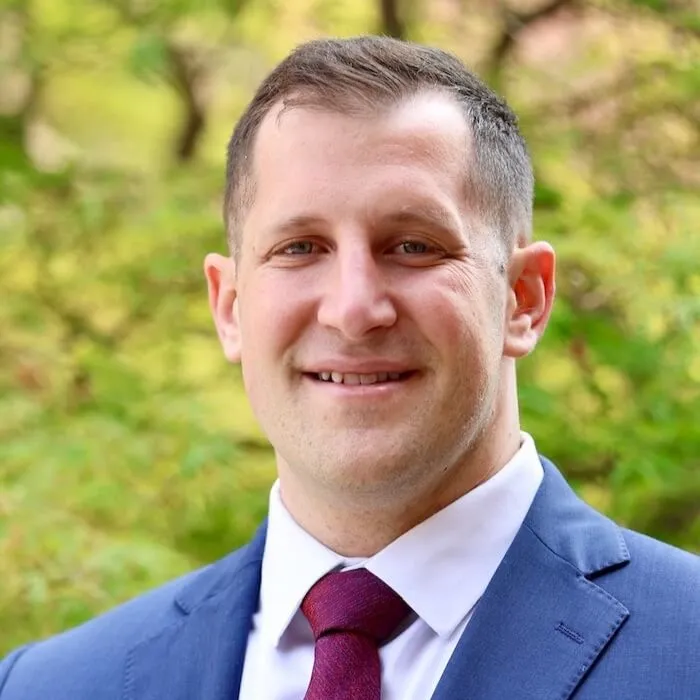
Winston Waters is a Professor in the Accounting and Law Department at the Robert B. Willumstad School of Business, Adelphi University. He holds an M.B.A. from Adelphi University, a J.D. from Seton Hall University, and a B.A. from Syracuse University. His academic and professional work bridges business and legal education with extensive contributions to corporate governance, business law, and judicial ethics.
- M.B.A., Adelphi University (2015)
- J.D., Seton Hall University (1981)
- B.A., Syracuse University (1978)
His research interests include Business Law, Corporate Governance, Legal and Ethical Environments of Business, and New York State legal frameworks. He has published extensively on topics such as guardianship law, property disclosure, and judicial ethics. His scholarship reflects a deep engagement with both practical legal issues and pedagogical innovation.
Winston Waters' publications from the early 1990s to 2006 reveal a consistent focus on civil procedure, business law, and legal education. His works span journals like the North East Journal of Legal Studies and conference proceedings of the North East Academy of Legal Studies in Business, covering subfields from commercial paper to EU law. The articles demonstrate a blend of doctrinal analysis and reform-oriented critique, particularly in New York state law contexts.
He has served as a Court Examiner and Special Referee in the Supreme Court of New York, Appellate Division, First and Second Judicial Departments since 1994 and 2012, respectively. He was also Interim Dean of the School of Business at Adelphi University from 1992 to 1993. His professional contributions include developing case law through judicial roles and authoring legal texts such as The New York State Court System and Forming a Simple Business Corporation in New York State.
Waters has advised on legal education reform and judicial ethics, particularly through conference presentations. His work on jury trials, receivership, and legal liability continues to influence legal practice and pedagogy. He has not received any explicitly mentioned scientific awards in the provided text.
He is actively engaged in legal scholarship, judicial service, and academic leadership. His external roles in the New York court system and contributions to legal education underscore his dual expertise in law and business. No formal lab or research team is mentioned, but his influence extends through publications, court decisions, and academic service.