معرفی
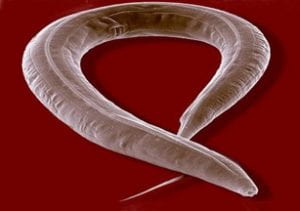
Dr. Todd Lamitina is an Associate Professor of Pediatrics and Cell Biology at the University of Pittsburgh. His research focuses on stress response pathways and neurodegenerative diseases using the model organism C. elegans. He holds a PhD in Cell and Molecular Biology from Emory University (2002). His lab is funded by the NIH and offers positions for postdocs, students, and technicians. Visit his lab’s website: Lamitina Lab.
Education:
- PhD in Cell and Molecular Biology, Emory University, 2002
Research Interests: Dr. Lamitina’s work spans two main areas: the molecular genetics of osmotic stress responses and the development of C. elegans models for neurodegenerative diseases like Huntington’s and ALS. His lab has identified novel pathways, including roles for the extracellular matrix and O-GlcNAc transferase in stress responses, and has explored mechanisms of toxicity from repeat expansions in non-coding regions. These studies aim to uncover therapeutic targets for currently incurable diseases.
Recent publications highlight his lab’s exploration of stress response pathways and neurodegenerative mechanisms. Key areas include the role of SPOP in C9orf72 toxicity, OGT’s role in hypertonic stress, and polyQ-independent toxicity from repeat expansions. These studies underscore the lab’s focus on translational research and conserved mechanisms across species.
Advising and Funding: Dr. Lamitina’s lab is supported by NIH grants. Current opportunities are available for trainees across postdoc, student, and technician roles.
Labs/Teams: The Lamitina Lab uses C. elegans models to study stress responses and neurodegenerative diseases. They collaborate on projects funded by the NIH and aim to translate findings into therapeutic strategies.