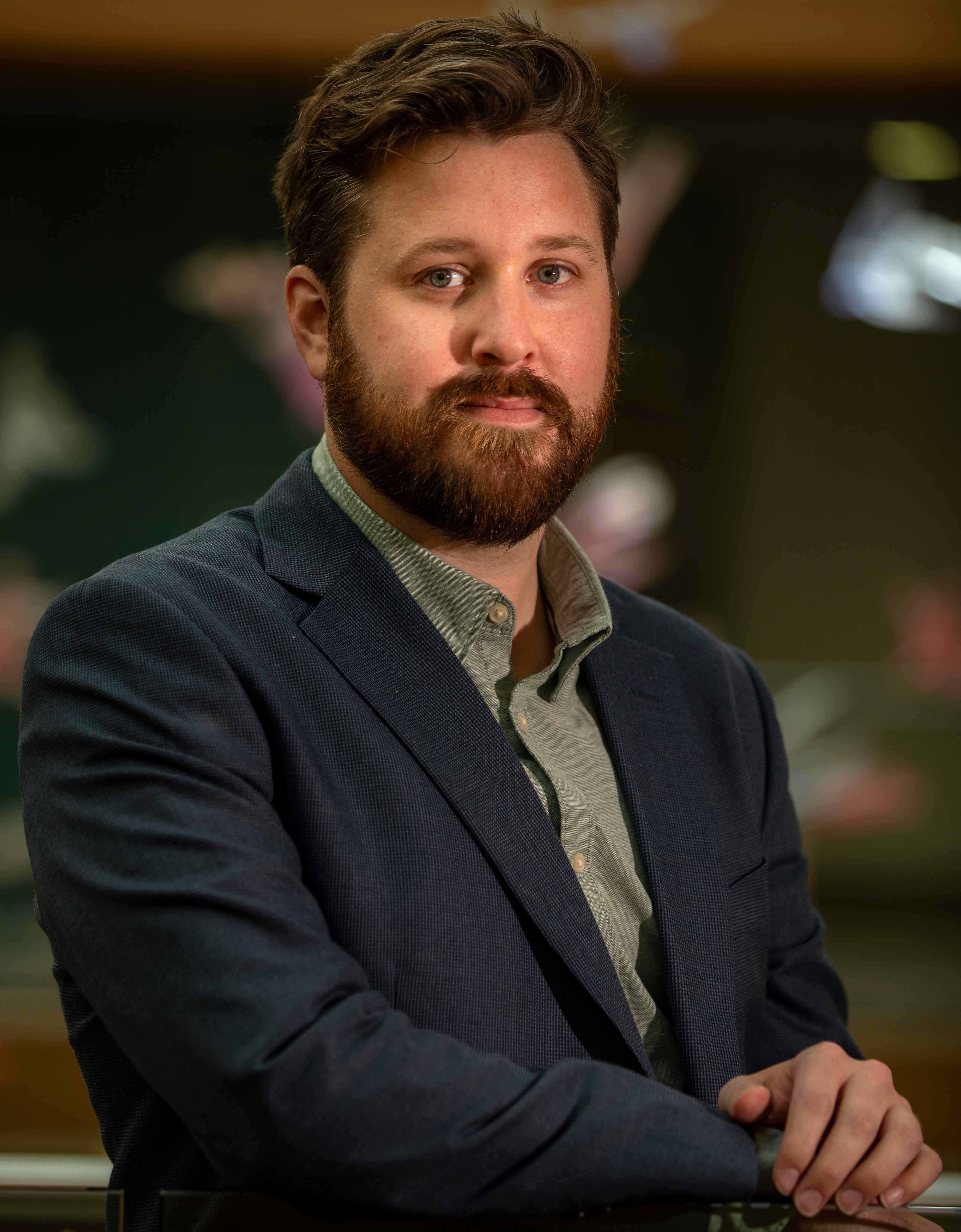
Tina Izard
استاد · Environmental Toxicology
Irell and Manella Graduate School of Biological Sciencesمعرفی
Tina Izard, Ph.D., serves as a Professor at The Scripps Research Institute in Jupiter, Florida, leading the SR-CHEM-IZARD LAB. Her institutional affiliation includes a business mailing address at 130 SCRIPPS WAY # 2C1, Jupiter, FL 33458 (Location C234) and a business phone number (561) 228-2000. The laboratory was equipped with a cryoARM300 electron microscope installation in 2020, indicating a strong focus on high-resolution structural analysis techniques.
Her research centers on the molecular mechanisms of environmental toxicants, particularly their disruption of integrin-mediated cell signaling within specialized membrane microdomains known as lipid rafts. This work bridges environmental health sciences with structural biochemistry, investigating how pollutants interfere with fundamental cellular communication pathways. Her approach integrates cryo-electron microscopy with biochemical assays to visualize and quantify toxicant-induced alterations in protein complexes involved in cell adhesion and signal transduction.
Dr. Izard's 2025 publication in BioEssays exemplifies her research trajectory, demonstrating how environmental contaminants target lipid raft-organized signaling hubs. This work reveals novel mechanisms by which toxicants dysregulate integrin function, with implications for understanding environmental contributions to diseases involving cellular adhesion defects. Her research consistently emphasizes the structural basis of toxicant interactions with membrane-associated protein complexes.
No scientific awards or honors were documented in the provided source material.
While no student advisees or specific grant funding are listed in the available information, Dr. Izard directs the SR-CHEM-IZARD LAB, which maintains advanced cryo-electron microscopy capabilities. The laboratory's infrastructure supports structural investigations of protein-membrane interactions, with ongoing research focused on elucidating the molecular architecture of signaling complexes vulnerable to environmental disruption. Current work appears to be developing structural models of toxicant-bound integrin complexes to identify potential intervention points.