معرفی
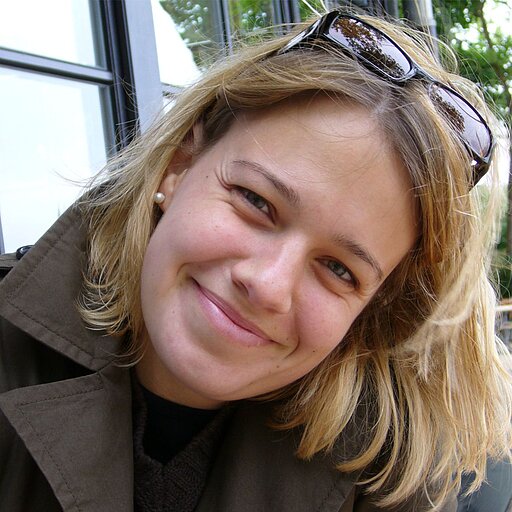
Susan E. Fahrbach is Professor of Biology and the Reynolds Professor of Developmental Neuroscience at Wake Forest University in the Department of Biology, College of Arts and Sciences. Her research integrates neuroanatomy, molecular biology, and behavior to study brain development and plasticity in social insects, particularly honey bees.
Education:
- B.A., University of Pennsylvania, 1977
- M.A., Oxford University, 1979
- Ph.D., The Rockefeller University, 1985
Her research interests center on the regulation of nervous system form and function, focusing on how hormones and experience shape the insect brain during and after metamorphosis. Using honey bees as a natural model, she explores how learning, social interactions, and environmental stressors like pesticides alter brain structure and gene expression. Her work bridges developmental neuroscience and environmental biology, offering insights into neural plasticity and pollinator health.
Recent publications highlight a strong focus on the impact of pesticides on synaptic organization and gut function, neuroplasticity in mushroom bodies, and hormonal regulation of behavior in adult bees. Her research spans molecular mechanisms to organismal behavior, often employing advanced techniques such as immunocytochemistry, RT-PCR, and primary neuronal cultures.
Scientific Awards:
- Reynolds Professor of Developmental Neuroscience
Fahrbach has contributed significantly to academic literature through book chapters and major reviews. She has mentored students and collaborated on grants related to insect neurobiology and environmental toxicology, though specific grant details are not listed. Her work supports the broader mission of understanding brain-behavior relationships in ecological contexts.
She leads a research laboratory focused on insect models, particularly utilizing honey bees and bumblebees to study neural development and the effects of xenobiotics. Her team combines classical neuroanatomical methods with modern molecular tools to investigate brain plasticity and resilience in pollinators.