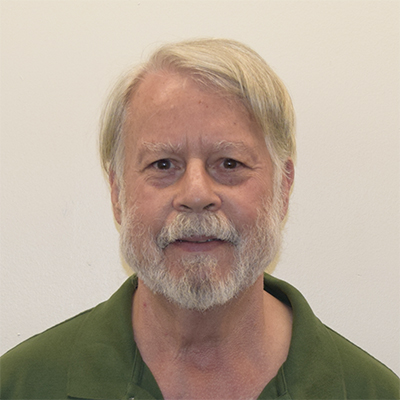
Mark Y. Liberman is the Christopher H. Browne Distinguished Professor of Linguistics and Trustee Professor at the University of Pennsylvania. He holds a joint appointment in the Department of Linguistics and the Department of Computer and Information Science. His roles include Director of the Linguistic Data Consortium (LDC), Faculty Director of Ware College House, and former Director of the Institute for Research in Cognitive Science. Education: A.B. in Linguistics and Applied Mathematics from Harvard University (1965–1969), M.S. (1972) and Ph.D. (1975) in Linguistics from MIT. Research focuses on corpus-based phonetics, clinical linguistics applications, tonal phonology, formal models for linguistic annotation, and computational linguistics. He explores speech production, prosody, and interdisciplinary topics like language evolution and neurobiology of speech. Recent articles highlight advancements in speech biomarkers for neurodegenerative diseases, autism analysis, and computational linguistics. Awards include Fellowships from the AAAS and Linguistic Society of America. He advises graduate students and leads large-scale language resource initiatives like LDC, contributing to open-access linguistic datasets. Labs/Teams: Linguistic Data Consortium (LDC), Institute for Research in Cognitive Science (IRCS), and collaborations in computational linguistics and neuroscience.
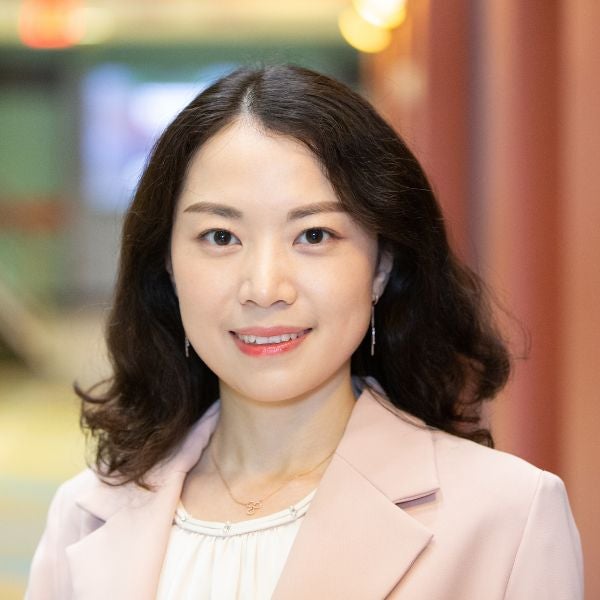
Hanjie Chen is an Assistant Professor in the Department of Computer Science at Rice University, affiliated with the Ken Kennedy Institute. She holds a Ph.D. from the University of Virginia and a Master's from the University of Science and Technology of China. Her research focuses on Natural Language Processing, Interpretable Machine Learning, and Trustworthy AI, emphasizing model explainability, alignment with human needs, and applications in healthcare, sports, and medicine. She has advised numerous students and led initiatives in AI ethics and education. Education: Ph.D. (Computer Science, UVA 2023), M.Sc. (USTC 2018), B.Sc. (Nanjing University of Aeronautics and Astronautics 2015). Awards include the Outstanding Doctoral Student Award (UVA 2023) and John A. Stankovic Research Award (UVA 2023). She has organized workshops like BlackboxNLP and served on program committees for ACL, NAACL, and EMNLP. Her recent work includes developing benchmarks like SPORTU for multimodal LLMs, evaluating medical question-answering systems, and advancing methods for robust rationale evaluation (RORA). She teaches courses on Natural Language Processing and Trustworthy NLP, emphasizing pedagogical innovation recognized by teaching awards at UVA. Research collaborations include internships at Microsoft Research, IBM, and the Allen Institute for AI. She mentors students in SURF programs and advocates for diversity in tech, serving as a mentor in UVA's CSGSG Council.
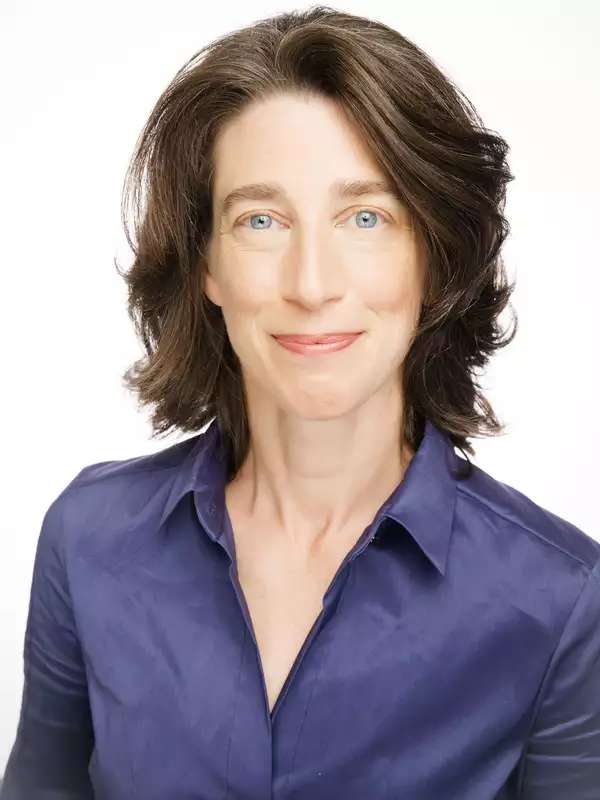
Alexandra Horowitz is a Senior Research Fellow and Adjunct Associate Professor at Barnard College. She has been teaching since 2004, specializing in dog cognition and olfactory research. Her academic roles span the Departments of English and Psychology, reflecting her interdisciplinary focus on animal behavior and human-animal interactions. Education: M.S. and Ph.D. in Cognitive Science from UC San Diego; B.A. in Philosophy from the University of Pennsylvania. Research interests include naturalistic observations of dog social play, testing anthropomorphic assumptions, and characterizing canine olfactory abilities. She has authored influential books like Inside of a Dog and Being a Dog , exploring how dogs perceive the world. Her work frequently appears in top journals and media outlets, including the New York Times and TED-Ed. Recent articles highlight studies on dog navigation, play behavior, and olfactory perception. She has been recognized as among the Top 2% of Cited Authors globally. Her presentations and lectures span academic conferences, museums, and public forums, emphasizing science communication.
Hang Lu is a Professor and holds the Cecil J. "Pete" Silas Chair of Chemical & Biomolecular Engineering at the Georgia Institute of Technology. Dr. Lu also holds a Love Family Professorship and leads the Lµ Fluidics Group, which focuses on engineering microfluidic systems and machine learning tools to address complex questions in neuroscience, developmental biology, and cell biology that are difficult to address with conventional techniques. Dr. Lu's research lies at the intersection of engineering and biology, with primary interests including: Microfluidic systems for high-throughput screens and image-based genetics and genomics Systems biology: large-scale experimentation and data mining Microtechnologies for optical stimulation and optical recording Big data, machine vision, and automation Developmental neurobiology, behavioral neurobiology, and systems neuroscience Cancer biology, immunology, embryonic development, and stem cells Her laboratory engineers microfluidic devices and BioMEMS to study neuroscience, genetics, cancer biology, and biotechnology. These miniaturized Lab-on-a-chip tools operate at scales comparable to biological systems, leveraging unique micro and nano-scale phenomena to gather large-scale quantitative data about complex biological systems. Current projects include Microfluidics for Life Sciences, Optical Neuron Recordings and Manipulations, Machine Learning Tools for Neuroscience, Measuring and Modeling Behavior, and High-throughput, High-content Cell-based Assays. Analysis of Dr. Lu's recent publications (2024-2025) reveals a strong trend toward integrating microfluidics with advanced computational methods: Development of deep learning frameworks for biological image analysis Advanced neuron tracking and functional imaging techniques Non-invasive characterization of 3D organoid cultures Sophisticated neuromechanical modeling of locomotion Microfluidic temperature control systems for in vivo studies Label-free imaging pipelines for neural development Dr. Lu's significant professional honors include: Cecil J. "Pete" Silas Chair of Chemical & Biomolecular Engineering Love Family Professorship The Lµ Fluidics Group actively mentors students and postdocs, currently accepting new postdoctoral researchers. The lab receives substantial funding for interdisciplinary projects at the engineering-biology interface, with research implications spanning fundamental biological understanding to therapeutic development. The group operates within Georgia Tech's School of Chemical & Biomolecular Engineering, with specialized facilities for microfluidic device fabrication, biological experimentation, and advanced imaging, maintaining strong collaborative ties across engineering, neuroscience, and biological disciplines.
Joseph Kable is the Jean-Marie Kneeley President's Distinguished Professor of Psychology at the University of Pennsylvania's Department of Psychology within the School of Arts and Sciences. His research integrates experimental economics, cognitive neuroscience, and personality psychology to investigate the neural and psychological mechanisms underlying decision-making. He explores how subjective value is represented in the brain, deviations from rational choice theory, and individual differences in decision processes. His lab employs fMRI and interdisciplinary methods to study topics like risk tolerance, impulsivity, and neural plasticity. Education: BS in Chemistry from Emory University (undergraduate), PhD in Neuroscience from the University of Pennsylvania (doctoral). Research focuses on behavioral and cognitive neuroscience mechanisms of choice, including studies on temporal predictions, value signals, and brain structure-function relationships. His recent work examines how neural markers correlate with decision-making variability across individuals. He currently advises graduate students in Psychology and has post-doctoral researchers in his lab. Associated with MindCORE, Penn's hub for integrative mind research. Lab activities include undergraduate research programs and active studies exploring decision neuroscience and neuroeconomics.
Daniel Finley is a Professor of Cell Biology at Harvard Medical School (HMS), leading the Finley Lab focused on the ubiquitin-proteasome pathway and related regulatory mechanisms. He holds academic appointments within the Department of Cell Biology and sits on the Scientific Advisory Boards of Proteostasis and X-Chem Pharmaceuticals. His research investigates proteasome function, ubiquitin-like proteins, and proteostasis roles in diseases like Alzheimer’s and ALS. Dr. Finley earned his undergraduate degree in biochemistry from Harvard University and a Ph.D. in molecular biology from MIT. After postdoctoral training at MIT, he joined HMS in 1988. His lab explores topics including erythroid proteome remodeling, mitochondrial dysfunction, and neurodegenerative disease mechanisms. Key research areas include: (1) Ubiquitin-proteasome pathway regulation, (2) Proteasome structure/function, (3) Nonproteolytic roles of ubiquitination, and (4) Pathophysiological roles of proteostasis defects in diseases. His work bridges basic cell biology with translational medicine, particularly in neurodegeneration and anemia. Finley has secured NIH funding for projects like 'Regulation of Proteasome Activity' (R35GM145246) and 'Erythrocyte maturation through global proteome remodeling' (R01HL153970). Collaborations with industry and academic partners extend his impact in drug discovery and proteasome-targeted therapies. His lab’s contributions include defining ubiquitin chain editing mechanisms, identifying USP14’s role in mitophagy, and elucidating proteostasis defects in Alzheimer's models. Research tools developed include advanced cryo-EM analyses of proteasomal structures and functional assays for ubiquitin system enzymes.
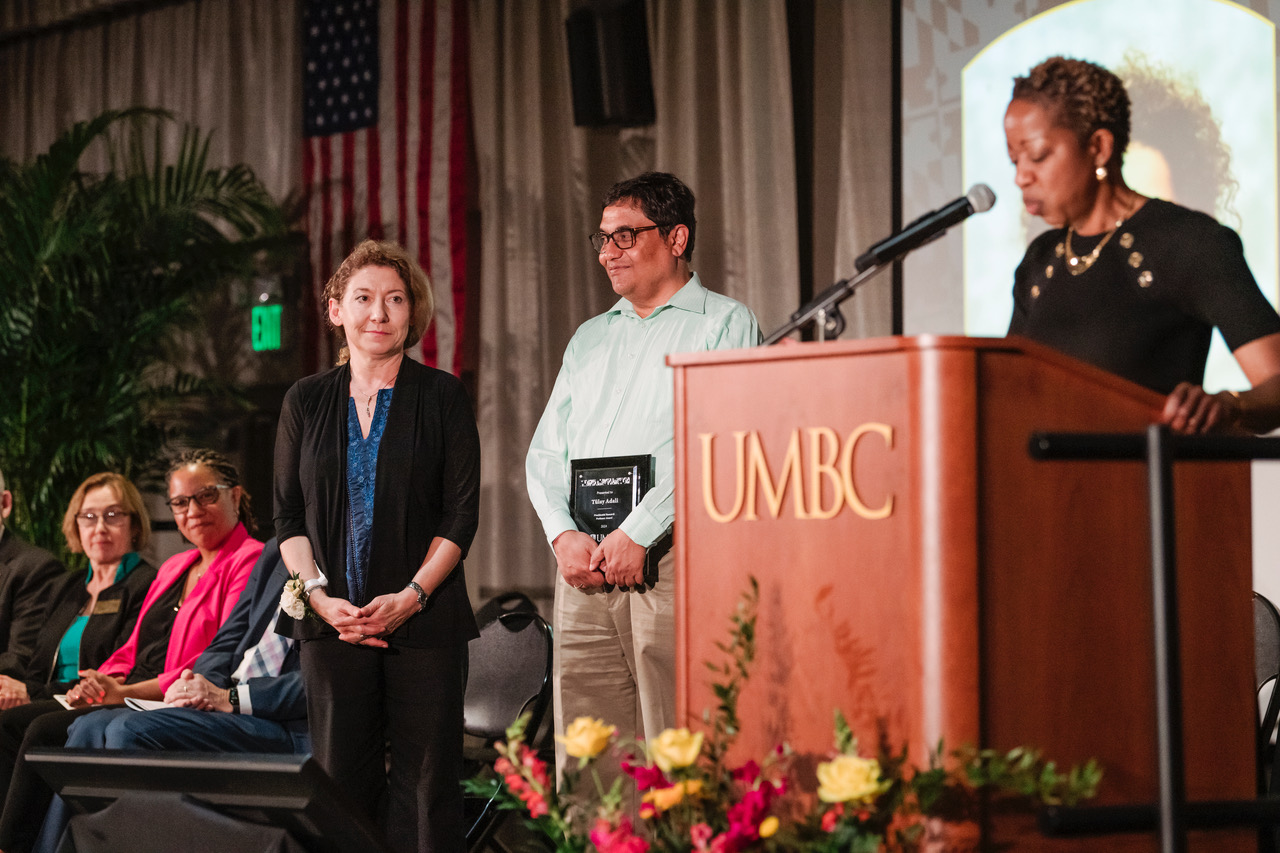
Tülay Adali is a Professor in the Department of Computer Science and Electrical Engineering at the University of Maryland, Baltimore County (UMBC). She has held this position since 1992 and was named a Distinguished University Professor in 2015 for her contributions to statistical signal processing and machine learning. Currently serving as Editor-in-Chief of the IEEE Signal Processing Magazine, she has also held leadership roles in IEEE committees and conferences. Her research focuses on statistical signal processing, machine learning, and their applications in medical imaging and data fusion. Dr. Adali earned her Ph.D. in Electrical Engineering from North Carolina State University in 1992. Her work integrates foundational signal processing techniques with biomedical applications, addressing challenges in neuroimaging analysis. She leads the Machine Learning for Signal Processing laboratory, supported by grants from NSF and NIH. Her lab develops algorithms for analyzing complex signals in medical contexts, emphasizing reproducibility and interdisciplinary collaboration. Recognition includes IEEE Fellow, AIMBE Fellow, AAIA Fellow, Humboldt Research Award, and NSF CAREER Award. She has authored numerous papers on fMRI analysis, independent component analysis, and multimodal data fusion. Her editorial leadership and service to technical communities reflect her commitment to advancing signal processing and education. Education: Ph.D. in Electrical Engineering, North Carolina State University (1992) Grants: NSF, NIH-funded projects on medical imaging and signal processing Awards: SPS Meritorious Service Award, SPIE Pioneer Award
Noah D. Goodman is Associate Professor of Psychology and Computer Science, and Linguistics (by courtesy) at Stanford University. He directs the Computation & Cognition Lab (CoCoLab) at Stanford, where he leads research on computational models of cognition, integrating logic and probability. His work spans cognitive psychology, linguistics, and computer science. Primary Appointment: Psychology Department By Courtesy: Computer Science Department and Linguistics Department Director: Computation & Cognition Lab (CoCoLab) Goodman's research focuses on computational models of cognition, with particular interest in probabilistic approaches to understanding human thought. His work integrates logic and probability to model concepts, categorization, intuitive theories, causal learning and reasoning, social cognition (including reasoning about others' goals, beliefs, and actions), cognitive development (especially acquisition of abstract knowledge), and natural language semantics and pragmatics. He has made significant contributions to the development of probabilistic programming languages as tools for cognitive modeling. His recent publications demonstrate a strong trend toward integrating probabilistic modeling with linguistic theory and social cognition. The articles span computational cognitive science, natural language processing, and artificial intelligence, with a consistent theme of using probabilistic frameworks to understand complex cognitive phenomena. Many papers explore how humans make inferences under uncertainty across different domains. Goodman teaches several courses at Stanford including Language and Thought (Psych 132), Computation and Cognition: the Probabilistic Approach (Psych 204/CS 428), Foundations of Cognition (Psych 205), and Introduction to Cognitive Science. He has also led seminars on topics ranging from natural and artificial intelligence to the science of meditation.
Professor Rebecca Lawson is a Professor of Neuroscience and Computational Psychiatry at the University of Cambridge, affiliated with the Department of Psychology and Bye-Fellow at Peterhouse College. Her research focuses on understanding how humans learn to make predictions under uncertainty, with applications to mental health conditions such as anxiety and depression. She leads the Prediction and Learning (PaL) Lab, which combines computational modeling, neuroimaging (e.g., 7T MRI), and behavioral experiments to study cognitive processes in typical and atypical populations. Key research interests include computational psychiatry, autism spectrum disorders, neuroimaging techniques, and the neurochemical basis of learning mechanisms. She has received significant funding, including a £4.3m Wellcome Mental Health Award and the Sir Henry Dale Fellowship. Notable contributions include advancing theories of neural gain and sensory expectations in autism, as well as studies on uncertainty processing in anxiety and depression. Professor Lawson holds academic awards such as the BNPA Lishmann Prize and the BAP Psychopharmacology Award. She actively contributes to public engagement, including initiatives like Knit-a-Neuron and involvement with PrideinSTEM. Her lab collaborates internationally, with projects like the CamRAA study investigating autism-anxiety overlaps and the Chemical and Brain Basis of Uncertainty (CBBU) study exploring pharmacological interventions. Education: PhD in Cognitive Neuroscience (University of Cambridge), BA (Hons) Psychology & Philosophy (University of Glasgow). Grants: £4.3m Wellcome Award, Parke-Davis Fellowship, Lister Institute Prize. Labs/Teams: Principal Investigator of the PaL Lab; collaborations with MRC Cognition and Brain Sciences Unit, Yale University, and Brown University.
Christopher M EARLS is a Professor in the Department of Psychology at Université de Montréal's Faculty of Arts and Sciences. He specializes in forensic psychology, psychopathology, and behavioral studies with a focus on sexual delinquency and juvenile prostitution. His research explores the intersections of psychopathy, criminal behavior, and mental health comorbidities. He teaches courses including Psychopathology: Introduction across undergraduate programs in psychology, social sciences, and cognitive neuroscience. His academic contributions span over two decades, with notable work on psychopathy assessment, parenting practices in non-criminal populations, and sexual behavior conditioning. Education Affiliations: Université de Montréal (primary) Teaching Programs: Baccalauréat en psychologie, Neuroscience cognitive, Social Work programs Dr. EARLS has directed 10+ theses and mémoires since 1998, focusing on forensic psychology topics like sexual delinquency correlates and psychopathy measurement validity. His work bridges clinical psychology with sociocultural factors, particularly in marginalized populations like sex workers and juvenile offenders. Research Highlights: Clinical assessment tools comparison (paper vs. digital psychopathy scales) Gender differences in psychopathy expression Impact of childhood trauma on sexual interest development Though no formal awards are listed, his extensive publication record reflects sustained contributions to forensic and clinical psychology research.
Pasquale Bottalico serves as Associate Professor in the Department of Speech and Hearing Science at the University of Illinois, with dual appointments as Associate Professor at the Center for Latin American and Caribbean Studies and Affiliate Faculty in the School of Music. His unique interdisciplinary profile bridges engineering, music performance, and speech science, reflecting his dual academic training and professional artistry. His educational foundation includes: Bachelor's in Telecommunications Engineering from Univeristà Mediterranea di Reggio Calabria, Italy Concurrent Opera Singing degree from F. Cilea Music Academy, Reggio Calabria Master's in Telecommunications Engineering from Politecnico di Torino, Italy Ph.D. in Metrology specializing in acoustics measurement uncertainty and classroom acoustics Dr. Bottalico's research centers on vocal load quantification and professional voice techniques , with significant contributions to understanding vocal fatigue in teachers and singers. His work spans Speech Intelligibility in educational environments, Room Acoustics for performance and learning spaces, and Musical Acoustics of historical vocal styles. A distinctive thread throughout his research examines how acoustic conditions modulate voice production and perception, increasingly incorporating virtual reality and bone conduction technologies for innovative assessment and intervention approaches. His Colombian vocal health study demonstrates cross-cultural applications of his work. Analysis of his 2023-2025 publications reveals three dominant research trajectories: (1) The impact of noise and dysphonia on children's speech processing in educational settings, using multimodal assessment including EEG; (2) Virtual reality applications for voice production research and therapeutic intervention; (3) Cross-cultural validation of vocal fatigue metrics and development of biofeedback systems. His work consistently bridges engineering precision with clinical applicability, particularly for professional voice users in challenging acoustic environments. No scientific awards were documented in the available information. While specific advising relationships aren't detailed, his research collaborations span international institutions including Colombian and Italian universities, suggesting graduate mentorship in interdisciplinary projects. No grant information was provided, though his systematic reviews and cross-cultural studies imply externally funded research activities. Though no dedicated laboratory is specified, his virtual reality voice studies and acoustic parameter assessments suggest affiliations with audio engineering facilities and voice clinics, likely through the Speech and Hearing Science department's research infrastructure.
Sam Yam is a Professor and Head of the Management & Organisation Department at the National University of Singapore's (NUS) Business School. He holds the Jardine Cycle & Carriage Professorship and serves as Associate Dean. His research spans strategy, organisational behaviour, applied psychology, ethics, and human-technology interaction. Yam has contributed to over 125 publications, focusing on AI ethics, workplace dynamics, and cross-cultural management. He explores topics like robot replacement effects, abusive supervision, and financial anxiety's intergenerational impacts. His work bridges psychology, ethics, and organisational theory, addressing contemporary challenges in automation, leadership, and human-AI collaboration. Appointments: Head of Management & Organisation (2022–present), Joint Appointment in Arts & Social Sciences (2023–present). Key Research Themes: Future of work, human-technology interaction, ethical leadership, and Machiavellian dynamics. Notable Contributions: Multimodal ADHD diagnostics, leader biases toward robot-using employees, and cultural impacts on team performance. Yam’s interdisciplinary approach integrates psychology, technology, and management, addressing societal issues like AI ethics and workplace automation. His research frequently appears in top journals like the Journal of Management and Annual Review of Organizational Psychology .
Alexis Battle is an Associate Professor at Johns Hopkins University with appointments in Biomedical Engineering , Computer Science , and Genetic Medicine (secondary). She directs the Malone Center for Engineering in Healthcare and serves as Deputy Director of the Data Science and AI Institute . Educated at Stanford University (PhD in Computer Science, 2013), Battle transitioned to academia after leadership roles at Google. Research Focus: Battle’s work bridges genomics and machine learning , emphasizing the impact of genetic variation on human health. Her lab develops tools like Watershed to predict functional effects of rare variants, aiming to enhance rare disease diagnosis. Key themes include non-coding DNA analysis , personalized genomics , and systems biology , with applications in cardiovascular disease and neurodegenerative disorders . Publications & Awards: Over 60 peer-reviewed articles in journals like Nature , Science , and Genome Biology , with recent emphasis on single-cell transcriptomics , multiomics integration , and telomere biology . Recipient of the President’s Frontier Award (2022), Microsoft Investigator Fellowship (2019), and Searle Scholar (2016). Scientific Awards: 2022 President’s Frontier Award 2019 Microsoft Investigator Fellowship 2019 Johns Hopkins Discovery Award 2017 Johns Hopkins Catalyst Award 2016 Searle Scholar Advising & Funding: Mentors 11 PhD students, 3 undergraduates, and postdoctoral fellows. Her research is funded by NIH, Searle Scholars, and institutional grants. The Battle Lab collaborates on projects like the GTEx Consortium , focusing on gene regulation and clinical genomics .
Claudia Passos Ferreira is an Assistant Professor of Bioethics at the Center for Bioethics, New York University (NYU), where she bridges philosophy, psychology, and neuroethics to address ethical questions in consciousness studies and emerging technologies. Education: MA and Ph.D. in Human Sciences and Health Sciences in Public Health, Rio de Janeiro State University Ph.D. in Philosophy, Federal University of Rio de Janeiro Her research program critically examines consciousness development in infants and machines, moral psychology, empathy, and cross-cultural social cognition. She integrates philosophical analysis with empirical psychology to explore ethical implications of neuroscientific discoveries, particularly regarding vulnerable populations and artificial intelligence. Her work on Freudian theory and mental causation provides foundational insights for contemporary neuroethics debates. Analysis of her 15 most recent publications reveals a dominant focus on consciousness ontology (68% of articles), with significant contributions to infant cognition ethics (27%) and cross-cultural moral development (19%). Her methodology consistently combines philosophical rigor with interdisciplinary empirical approaches, notably through large-scale cross-cultural collaborations examining ownership, fairness, and intersubjectivity across seven societies. Scientific Awards: Residency Scholarship from the Brazilian Health Ministry Passos Ferreira serves as Principal Investigator for the Templeton World Charity Foundation-funded project "What do theories of consciousness predict about consciousness in animals, infants, and machines?". Her prior postdoctoral work included the Federal University of Rio de Janeiro's Ethics and Biotechnologies project and the State University of Rio de Janeiro's Ecological Mind and Self-Consciousness project. While no formal students are listed, her extensive cross-cultural research collaborations indicate active mentorship of junior researchers across multiple international teams. Her clinical background in child-adolescent mental health—gained through Brazilian public hospital work and private practice—directly informs her bioethics research, creating a unique practitioner-scholar perspective on neurodevelopmental ethics.
Christopher Thomas Sege, PhD is an Assistant Professor in the Department of Psychiatry and Behavioral Sciences at the Medical University of South Carolina (MUSC) College of Medicine. His research focuses on the neurophysiological mechanisms underlying anxiety disorders, particularly examining escape, avoidance, and approach behaviors in the anxiety disorder spectrum. Dr. Sege's primary research interests include: Anxiety Disorders and Emotional Processing Defensive Behaviors and Coping Mechanisms Neurophysiological Correlates of Emotional Anticipation Startle Response and Autonomic Nervous System Functioning Transcranial Magnetic Stimulation (rTMS) Applications His work bridges clinical psychology with neuroscience to understand how individuals with anxiety disorders process and respond to emotional stimuli. Dr. Sege leads the research study "Modeling and Modulating Mechanisms of Escape, Avoidance, and Approach in the Anxiety Disorder Spectrum" which investigates whether repetitive transcranial magnetic stimulation (rTMS) can alter how people with anxiety cope with emotional situations. This study involves measuring brain activation while participants view emotional pictures and undergo rTMS procedures. His publication record demonstrates expertise across multiple domains: Neurophysiological mechanisms of defensive behaviors Emotional anticipation and perception Startle modulation in anxiety disorders Borderline personality disorder research Development of experimental paradigms for emotional processing studies His research employs multiple methodologies including psychophysiology, event-related potentials, and neurostimulation techniques. Dr. Sege collaborates with researchers including Lisa McTeague, Bernadette Cortese, Carla Danielson, Thomas Uhde, and Aicko Schumann. His work appears in journals such as Biological Psychiatry: Cognitive Neuroscience and Neuroimaging, Biological Psychology, and Psychophysiology.