معرفی
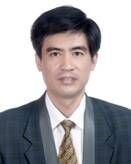
Shutao Ma is a Professor and Doctoral Supervisor at Shandong University's School of Pharmaceutical Sciences, serving as Director of the Department of Medicinal Chemistry since 2009. He has received the Special Government Allowance from China's State Council since 2002 and the seventh youth award of Shandong province for his contributions to medicinal chemistry.
His academic credentials include:
- Ph.D. in Pharmaceutical Sciences, Shandong University (2004-2007)
- M.Sc. in Pharmaceutical Sciences, Shandong Medical University (1988-1991)
- B.Sc. in Pharmaceutical Sciences, Shandong Medical University (1981-1986)
Professor Ma's research pioneers innovative strategies against antibiotic-resistant bacteria through three interconnected pillars: 1) Designing FtsZ/AcrB-targeted small molecules to disrupt bacterial cell division and efflux mechanisms; 2) Structural optimization of macrolides, glycopeptides, and lipopeptides to overcome resistance; 3) Total synthesis and mechanistic studies of marine-derived antibacterial natural products. His work bridges synthetic chemistry with microbiological validation to develop next-generation antimicrobials.
Analysis of his 15 most recent publications (2014-2016) reveals a dominant focus on antibacterial drug discovery (87% of works), particularly FtsZ inhibitors (33%) and macrolide derivatives (27%). Emerging themes include quorum sensing modulation (7%) and antiviral/anticancer applications (13%), demonstrating strategic expansion while maintaining core expertise in resistance mechanisms.
His scientific recognition includes:
- First prize of Shandong science and technology progress award (2000)
- Special government allowance from the State Council (2002)
- The seventh youth awards of Shandong province (2002)
As a Doctoral Supervisor, Professor Ma mentors the next generation of medicinal chemists while directing a robust research program funded by 12 major grants. His National Natural Science Foundation portfolio (2004-2020) spans antibacterial discovery, while Shandong Provincial grants (2006-2017) and China-Australia collaborations (2014-2017) support translational development of resistance-breaking agents.
Leading the Department of Medicinal Chemistry, he oversees a multidisciplinary team integrating synthetic chemistry, microbiology, and computational modeling to advance antibacterial drug candidates from concept to preclinical validation, with particular emphasis on FtsZ-targeted therapeutics and macrolide engineering.