معرفی
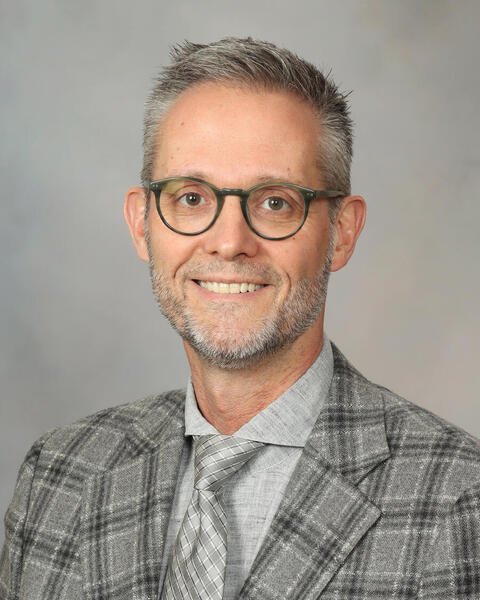
Shangping Wang serves as an Assistant Professor in the Department of Bioengineering at Clemson University, leading the Biotransport and Biopreservation Laboratory within the Clemson-Medical University of South Carolina (MUSC) Bioengineering Program in Charleston. Her research program bridges engineering and regenerative medicine through advanced tissue preservation technologies.
Dr. Wang's primary research focuses on developing viable biobanking strategies for living biological materials. Her work centers on three interconnected domains: Musculoskeletal Tissue Preservation (optimizing storage for cartilage, meniscus, and tendons), Mass and Heat Transport in Ice-free Cryopreservation (enhancing nanowarming techniques for uniform thermal delivery), and Tissue Engineering (designing non-toxic protectants for cell-seeded scaffolds). She employs a multi-disciplinary methodology integrating theoretical modeling, in vitro cell/tissue studies, and in vivo animal models to investigate biotransport phenomena and their impact on tissue functionality.
Analysis of her 15 most recent publications (2012-2024) reveals a strategic evolution toward solving cryopreservation's core challenge: scaling vitrification to clinically relevant tissue volumes. Her nanowarming breakthroughs for porcine articular cartilage and meniscus represent significant translational advances, while her work on supra-zero oocyte preservation and microwave-assisted drying demonstrates innovative approaches beyond conventional ultra-low-temperature methods. Key thematic threads include cryoprotectant toxicity reduction, moisture control in anhydrous systems, and biomechanical integrity assessment post-preservation.
Dr. Wang actively mentors graduate researchers, currently recruiting PhD candidates for Fall 2024 with expertise in biomedical engineering, biological experimentation, and computational modeling. Her laboratory serves as a nexus for developing preservation protocols applicable to clinical transplantation, regenerative medicine, and personalized therapeutics.
The Biotransport and Biopreservation Laboratory operates at the forefront of biopreservation science, utilizing a comprehensive approach that connects molecular mechanisms (e.g., DNA integrity in trehalose glass) with macroscopic tissue functionality. Current projects emphasize translating nanowarming technology to human-scale tissues while maintaining biomechanical and biological viability for orthopedic and reproductive applications.