معرفی
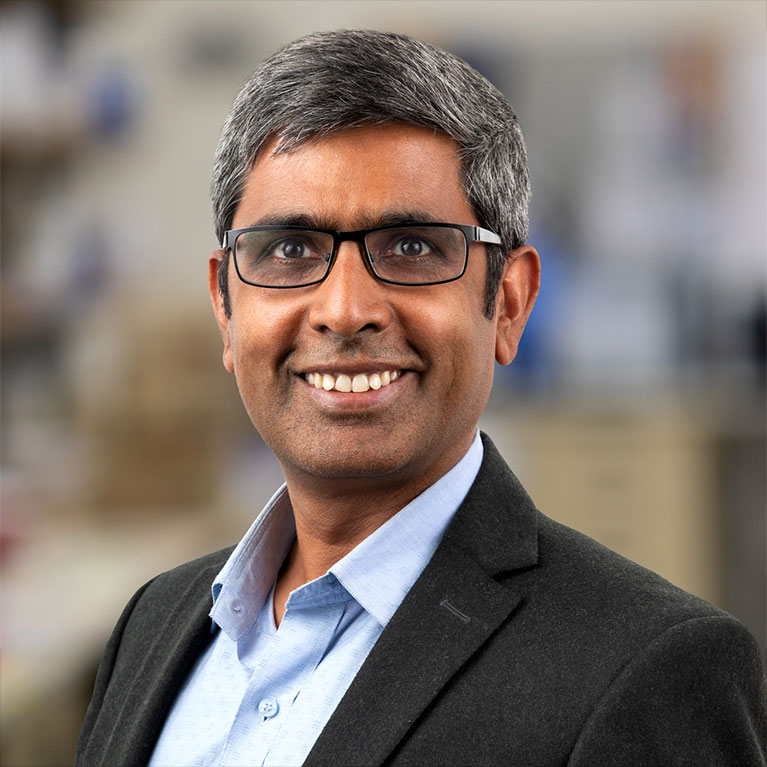
Satchidananda Panda is a Professor at the Salk Institute for Biological Studies, leading the Regulatory Biology Laboratory. His research focuses on circadian rhythms and their impact on health, metabolism, and disease. He discovered the role of melanopsin in regulating circadian clocks and pioneered studies on time-restricted eating (TRE), showing its benefits in preventing obesity, diabetes, and metabolic disorders. His work integrates basic science with translational research, leveraging clinical trials and wearable technology to improve public health.
Education: PhD in Molecular Biology from The Scripps Research Institute (2001), Postdoctoral Research at Genomics Institute of the Novartis Research Foundation (2001-2005).
Research Interests: Circadian regulation of metabolism, sleep, and aging. Key discoveries include the molecular mechanisms of light sensing, circadian disruption's role in chronic diseases, and TRE's therapeutic potential. Current projects explore TRE's applications in shift workers, cancer patients, and individuals with metabolic syndrome.
Key Innovations: Developed the MyCircadianClock app to collect global data on eating/sleep patterns, enabling large-scale studies. Collaborates with the Wu Tsai Human Performance Alliance to explore exercise and circadian health links.
Awards: 2023 AAAS Fellow, 2014 Julie Martin Mid-Career Award, 2006 Dana Foundation Award, and Pew Scholar honor (2006).
Labs/Teams: Panda Lab at Salk focuses on multi-omics analysis and translational studies. Active in clinical trials testing TRE in firefighters, shift workers, and diabetic patients.