معرفی
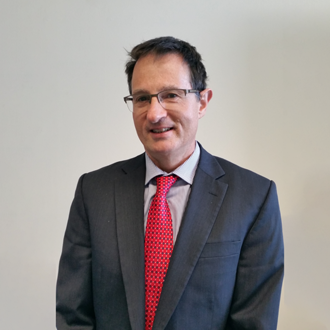
Riley James Batchelor is a cardiology registrar and researcher affiliated with the Department of Epidemiology and Preventive Medicine at Monash University, based at The Alfred Hospital in Melbourne, Australia. He holds a Doctorate by Research and is actively engaged in clinical and translational research in cardiovascular medicine, with a particular focus on cardiology and stroke neurology.
- Highest Degree: Doctorate by Research, Epidemiology and Preventive Medicine
- Institution: Monash University / The Alfred Hospital
- Research Profile: ORCID: 0000-0002-6785-3185
His research interests span general cardiology, stroke neurology, and cardiovascular medicine, with methodological expertise in open-label feasibility trials, registry and cohort studies, and systematic reviews and meta-analyses. His work contributes to the United Nations Sustainable Development Goals, particularly those related to good health and well-being.
The analysis of his recent publications reveals a strong focus on high-impact clinical cardiology topics, including out-of-hospital cardiac arrest, acute myocardial infarction in trauma patients, advanced heart failure therapies, and postoperative outcomes in heart transplantation. His collaborative research network includes leading clinicians and scientists across Australia, with frequent co-authorship with experts such as Dr. Dion Stub, Professor David Kaye, and Dr. James Shaw.
Scientific Contributions:
- Investigated sex disparities in cardiac arrest outcomes.
- Conducted meta-analyses on advanced heart failure treatments.
- Explored defibrillation strategies to improve resuscitation efficacy.
- Analyzed metabolic markers in heart transplant recipients.
- Studied cardiovascular complications in trauma populations.
Riley Batchelor is actively contributing to evidence-based cardiology through rigorous clinical research. He collaborates extensively within the Monash Alfred Baker Centre for Cardiovascular Research and is involved in generating data that informs both acute and long-term cardiovascular care strategies. While there is no explicit mention of formal student supervision, his role as a research clinician suggests mentorship within clinical training frameworks.
حوزههای پژوهشی