
معرفی
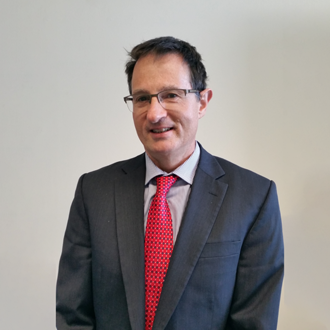
Professor David Kaye is an NHMRC Senior Principal Research Fellow and Adjunct Professor at Monash University, serving as Director of the Department of Cardiology at The Alfred Hospital and Head of the Heart Failure Research group at the Baker Institute.
His qualifications include:
- MBBS
- PhD
- FRACP (Fellow of the Royal Australasian College of Physicians)
- FACC (Fellow of the American College of Cardiology)
A leading cardiologist specializing in heart failure and transplantation, Professor Kaye's research focuses on HFpEF pathophysiology, investigating mechanisms involving aging, hypertension, and gut microbiome interactions. His work has identified novel therapeutic targets including oral treatments for end-stage heart failure and device-based interventions for diastolic dysfunction.
With over 420 peer-reviewed publications, his research demonstrates consistent emphasis on translational cardiovascular science, particularly gut-heart axis mechanisms, sex-specific pathophysiology in heart failure, and innovative device therapies. Recent work highlights microbiome modulation for hypertension prevention and transcatheter shunt technologies for HFpEF management.
His scientific recognition includes:
- NHMRC Senior Principal Research Fellow
- Eureka Prize for Medical Research Translation (2012)
- RT Hall Prize, Cardiac Society of Australia and New Zealand (2007)
- Eric Sussman Prize for Research Excellence, College of Physicians (2003)
As a Monash University supervisor, Professor Kaye mentors cardiovascular researchers while leading commercial translation through co-founding Osprey Medical and Cardiac Dimensions Inc. His NHMRC fellowship supports ongoing clinical trials of novel HFpEF therapies, with intellectual property generating significant clinical impact through medical advisory roles at Osprey Medical and Cardiora Pty Ltd.
He directs the Heart Failure Research group at the Baker Institute and the Alfred Hospital's Cardiology Department, where his team integrates clinical investigation with experimental models to develop next-generation heart failure treatments.


