معرفی
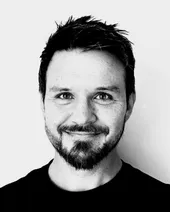
Richard Dhillon serves as Sessional Tutor in the Department of Film and Television Studies and Honorary Research Fellow at the Institute of Advanced Study, University of Warwick. He completed his PhD at Warwick in 2024 after earning an MA (for Research) from the same department, with additional History degrees from the University of Birmingham (MA) and University of Worcester (BA).
His educational background includes:
- PhD in Film and Television Studies, University of Warwick (2024)
- MA (for Research) in Film and Television Studies, University of Warwick
- MA in History, University of Birmingham
- BA in History, University of Worcester
Dhillon's research centers on British screen histories and queer studies, with specific expertise in British television histories, queer media studies, and post-war popular British cinema. His doctoral work examined queer elements in 1960s-1970s British prime-time television, particularly situation comedy, and he is currently developing a post-doctoral project on British light entertainment television. His scholarly output demonstrates consistent engagement with gender representation and historical contexts in British media.
His publications reveal a trajectory from book reviews analyzing American sitcoms and BBC history to original research on domesticity in British comedy, with recurring themes of gender, sexuality, and national identity across post-war British screen culture. Recent work shows increasing focus on light entertainment and queer readings of mainstream television formats.
Dhillon's academic service includes convening the Centre for Television Histories and co-founding the Queer Television Reading Group. He secured departmental funding for his doctoral research and organized the 2024 'Carry On Conferencing' event exploring the Carry On film franchise's cultural significance. His teaching portfolio spans core modules including Film and Television Analysis, Queer Screens, and Television History and Aesthetics.
He actively contributes to scholarly communities through research groups focused on television historiography and queer media studies, fostering collaborative projects that bridge historical analysis with contemporary queer theory.