معرفی
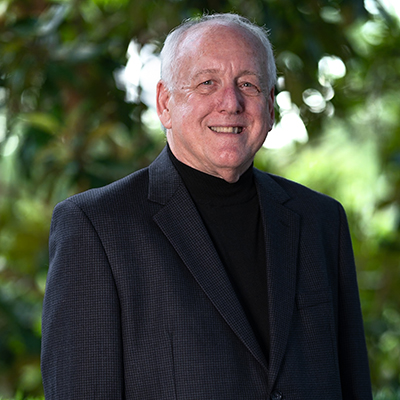
Raymond A. DiGiuseppe, Ph.D., ABPP, is Professor of Psychology at St. John’s University, New York, where he also chairs the Institutional Review Board and directs the Ph.D. program in Clinical Psychology within the College of Liberal Arts and Sciences.
Education & Training
- B.A., Psychology, Villanova University (1971)
- M.S., General/Experimental Psychology, SUNY College at Brockport (1973)
- Ph.D., Psychology, Hofstra University (1975)
- Post-doctoral Fellowship, Albert Ellis Institute (1977)
Research Focus
Dr. DiGiuseppe is internationally recognized for his work on anger as a clinical problem and for advancing Rational Emotive Behavior Therapy (REBT). His scholarship spans the development of diagnostic criteria and psychometric instruments for anger disorders—most notably the Anger Disorders Scale (ADS) for adults and the Anger Regulation and Expression Scale (ARES) for youth. He investigates the philosophical underpinnings of Stoicism in modern cognitive-behavioral interventions and has created validated measures of irrational and rational beliefs central to REBT theory.
Scientific Awards & Honors
- Jack Krasner Early Career Contribution Award, APA Division 29
- Fellow status in four APA divisions: Psychotherapy (29), Clinical (12), School (16), and Family (41)
- President, APA Division 29 – Society for the Advancement of Psychotherapy (2014)
- President, Association for Behavioral and Cognitive Therapies (ABCT) (2006-2007)
- Distinguished Diplomate, National Anger Management Association (NAMA)
Leadership & Service
- Chair, St. John’s University Institutional Review Board (Research Ethics Committee)
- Founding Director, Psy.D. Program in School Psychology (established 1987)
- Former Department Chair, Psychology Department (2001–2014)
- Director of Professional Education, Albert Ellis Institute (since 1980)
Dr. DiGiuseppe has trained hundreds of therapists worldwide in REBT and CBT, co-edits the Journal of Rational-Emotive and Cognitive Behavior Therapies, and remains an active mentor and educator at both undergraduate and graduate levels.