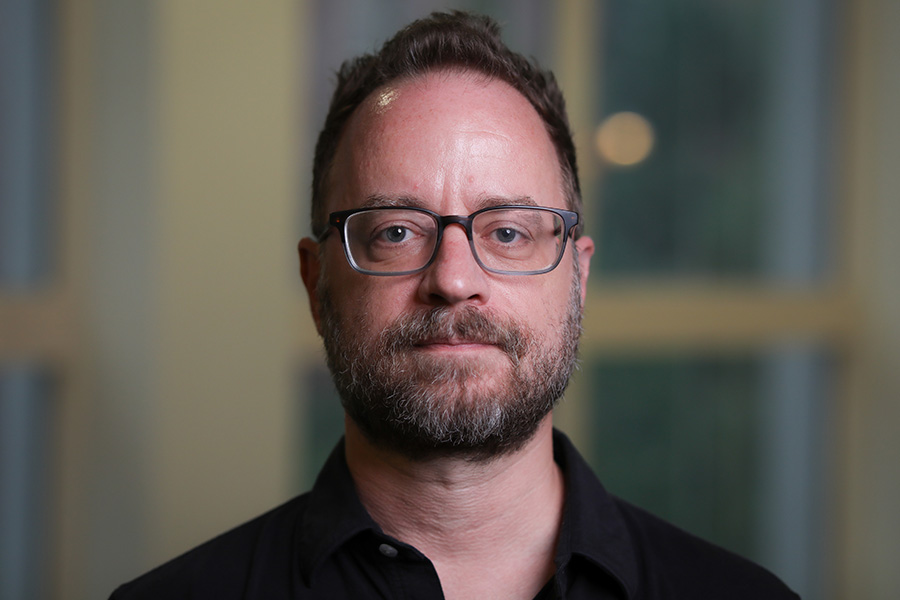
Jesse Cougle is a Professor of Psychology at Florida State University, focusing on anxiety disorders , obsessive-compulsive and related disorders (OCRD), and problematic anger . He leads the Cougle Lab, which develops computerized treatments and investigates distress intolerance , courage , and transdiagnostic factors . Education: University of Texas at Austin (2008), Oxford University (postgraduate) Research: Cognitive-behavioral mechanisms in anxiety disorders, technology-based interventions for social anxiety and BDD, and biological processes in problematic anger Students: Mentoring Tapan Patel, James Zech, Victoria Swaine, and others His work spans interpretation bias modification , safety behavior reduction , and 'not just right' experiences in OCRD. Recent publications emphasize digital interventions for mental health and distress tolerance as a key transdiagnostic factor. Scientific Awards: President’s New Researcher Award (ABCT) Graduate Faculty Mentor Award (FSU) He serves as Editor-in-Chief of the Journal of Obsessive-Compulsive and Related Disorders and holds editorial roles in major journals. The Cougle Lab explores anxiety , perfectionism , and appearance-related psychopathology through multimodal research .
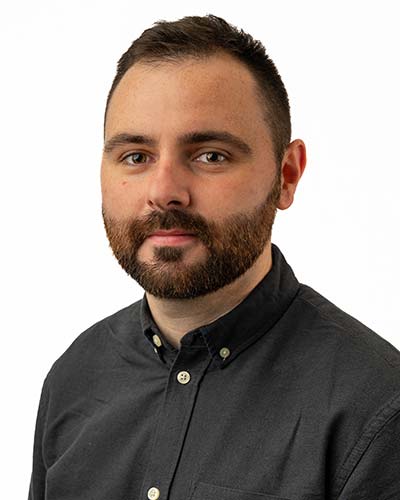
Dr. Angelina Vernetti is a Research Scientist at Yale University's Child Study Center, affiliated with the Social and Affective Neuroscience of Autism (SANA) Program. She holds a PhD in Developmental Neuropsychology from Birkbeck, University of London, and completed postdoctoral training at Yale. Her research focuses on social attention, reinforcement learning, and emotional regulation in children with autism, using advanced methodologies like eye-tracking and physiological recordings. Education: PhD in Developmental Neuropsychology, Birkbeck, University of London (2018) MSc in Neurosciences and Neuropsychology, University of Toulouse (2010) BSc in Cell Biology, University of Angers (2008) Research Interests : Dr. Vernetti investigates the neural and behavioral foundations of social difficulties in autism, including social attention mechanisms, emotional regulation abnormalities, and language processing deficits. Her work integrates experimental paradigms with neuroimaging and physiological measures to identify biomarkers for early intervention. Collaborations: She collaborates with prominent researchers like Katarzyna Chawarska and Suzanne Macari, focusing on neurodevelopmental mechanisms and translational research. Her team explores innovative approaches to autism assessment, including live eye-tracking and puppet-based interventions. Labs & Affiliations: Member of the Chawarska Lab and the Center for Brain & Mind Health. Active in training undergraduate, postgraduate, and doctoral students in autism research methodologies.
Dr. Joel Town is an Adjunct Professor in the Department of Psychiatry and cross-appointed in the Department of Psychology and Neuroscience at Dalhousie University . He holds a BSc (Hons) from the University of York and a Doctorate in Clinical Psychology (DClinPsy) from the University of Sheffield. Education: BSc (Hons) in Psychology, University of York, England Doctorate in Clinical Psychology (DClinPsy), University of Sheffield, England Dr. Town's research focuses on psychotherapy outcome research , mechanisms of change in psychotherapy , and psychological treatments for depression and medically unexplained symptoms . He specializes in Intensive Short-Term Dynamic Psychotherapy (ISTDP) , examining its efficacy for conditions like treatment-resistant depression, post-traumatic stress disorder, and somatic symptom disorders. His work includes clinical trials , systematic reviews , and meta-analyses to evaluate therapeutic processes and outcomes. His recent publications highlight ISTDP applications for personality disorders, anxiety, chronic pain, and eating disorders. Key trends include emotional processing , therapeutic alliance dynamics , and cost-effectiveness of brief interventions . Dr. Town also explores how unconscious emotional conflicts influence treatment outcomes. As a clinician, he serves as the lead clinical psychologist at the Medically Unexplained Symptoms Clinic, QE-II Health Science Centre, and as Director of Dynamic Health Psychological Services, Halifax . He supervises clinical psychology interns and practicum students and contributes as a Consulting Editor for journals like Psychotherapy and Psychotherapy Research .
Adam O'Riordan is an Assistant Professor in the Department of Psychology at the University of Texas at San Antonio , affiliated with the College for Health, Community and Policy (HCAP). His research focuses on psychophysiological stress responses and their health implications. Education : Ph.D. in Psychology, University of Limerick B.A. in Psychology, University of Limerick O'Riordan's work examines how individual differences (e.g., social anxiety, extraversion, anger traits) and psychosocial factors (e.g., loneliness, caregiving stress) influence cardiovascular reactivity and habituation to acute psychological stressors. His studies connect physiological stress responses to long-term health outcomes. Key trends in his recent publications (2023-2025) include: Investigations of loneliness as a mediator in stress physiology Biomarker-based interventions for Alzheimer's caregivers Anger expression styles and cardiovascular reactivity Disordered eating and hemodynamic stress responses Extraversion's role in adaptive stress responses O'Riordan's research has implications for understanding stress-related health risks and developing targeted interventions. While no specific awards are mentioned in the provided text, his work appears in journals like International Journal of Psychophysiology and Biological Psychology .
Dr. Robert Vaughan is an Associate Professor and Head of Psychological Sciences at the University of West London's School of Human and Social Sciences since 2023. Previously, he served as Senior Lecturer in Psychology at York St John University (2014–2023). His academic journey includes a BSc in Psychology (2008), MSc in Applied Sport and Exercise Psychology (2014), and a PhD on 'The Role of Intelligence in Sports' (2016) from Ulster University. Research focuses on executive functions in athletes, emotional intelligence, burnout prevention, and pandemic impacts on mental health. He has published over 35 peer-reviewed works, secured £60k+ external funding, and contributed to outlets like BBC interviews. Collaborations span international researchers and students. Teaching spans undergraduate/postgraduate courses in Sport Psychology, Personality, Health Psychology, and research methods. Editorial roles include Stress & Health and Perceptual and Motor Skills, plus Research Lead for British Psychological Society's Sport and Exercise Psychology Division. Recent articles emphasize neurocognitive aspects of athletic performance, smartphone use effects, and pandemic mental health implications. His work bridges clinical psychology with applied sport science, emphasizing practical interventions for athletes' wellbeing.
Professor Keiko Honda is a distinguished faculty member at Waseda University's Faculty of Education and Integrated Arts and Sciences, School of Education. With a Doctorate in Education from Teachers College, Columbia University, she has established herself as a leading expert in educational psychology, particularly focusing on developmental disorders, anger management, crisis intervention, and school counseling. Her educational background includes: Graduate School, Division of Psychology, Counseling Psychology at Teachers College, Columbia University (1994) Faculty of Liberal Arts, Social Study at International Christian University Professor Honda's research focuses on understanding and addressing the challenges faced by children with developmental disorders, particularly in emotional regulation and social interaction. Her work has led to the development of specialized intervention programs including anger management techniques for children with borderline intelligence and social skills training for children with special needs. She has pioneered approaches that combine clinical psychology with educational practices to create effective support systems in school environments. Her research has identified key developmental stages in children's needs and self-control, resulting in categorized intervention strategies. Her work has been particularly influential in developing practical tools for educators and counselors working with children who have difficulties in social interaction and emotional regulation, including VRICS (Violence Risk Check Sheet) and specialized anger management programs implemented in schools and correctional facilities. Professor Honda is actively involved in professional organizations including: Japan Psychological Association Japan School Psychologist Association Japanese Association of Criminal Psychology Japanese Association of Correction Education Japanese Association of Educational Psychology Japanese Association of Learning Disorder She supervises graduate students across multiple departments including the Graduate School of Education and the Graduate School of Letters, Arts and Sciences, teaching diverse courses related to school psychology, educational psychology, and brain-based learning in inclusive classrooms. Her current research projects focus on developing comprehensive systems for inclusive education and prosocial problem-solving strategies for children with developmental disabilities.
Brian P. Meier is a Professor of Psychology at Gettysburg College in the College of Arts and Sciences, while Michael Schaefer is affiliated with the Medical School Berlin. Both researchers collaborate on cross-cultural psychological studies examining personality traits and sensory experiences. Meier's academic background demonstrates extensive expertise in social psychology, with particular focus on embodiment theory, conceptual metaphors, and personality research. His work explores how physical experiences shape abstract concepts, such as the connection between sweet taste preferences and agreeableness. Schaefer contributes psychological expertise from a European medical school context, though specific details about his academic trajectory are limited in the available information. Research interests include social psychology, personality psychology, embodiment theory, and cross-cultural comparisons. Meier's work frequently examines how bodily states influence cognitive processes and social judgments, with notable contributions to understanding the sweet taste-agreeableness connection, color perception in social contexts, and religious metaphors. The collaborative research demonstrates consistent exploration of how sensory experiences map onto social concepts across diverse cultural settings. Recent publications reveal a strong trend toward cross-cultural validation of psychological phenomena, particularly examining how conceptual metaphors operate consistently across different national contexts. The 2024 paper on agreeableness and sweet taste preferences represents the culmination of this line of research, demonstrating cross-cultural replication across four distinct countries. The researchers have not received specific scientific awards mentioned in the available documentation. Meier appears to have mentored numerous students through collaborative research projects, though specific student names are not listed in the provided materials. The research program has secured funding for cross-cultural studies examining basic psychological processes across international contexts. Both researchers appear to be part of broader collaborative networks that connect American and European psychological research institutions, facilitating cross-cultural investigations of fundamental psychological processes.
Öznur Öncül Demir is an Assistant Professor at Abdullah Gül University, Faculty of Humanities and Social Sciences, Department of Psychology . Previously, she served as an Assistant Professor at Zonguldak Bulent Ecevit University (2015-2022) and Research Assistant at Middle East Technical University (2005-2014). Doctorate : Middle East Technical University (2014) Postgraduate : Middle East Technical University (2008) Undergraduate : Middle East Technical University (2005) Her research focuses on psychology of violence and emotional mechanisms of psychological disorders , particularly disgust in psychopathologies . She has conducted extensive interviews with prison inmates and collaborated with the University of Birmingham on sexual violence research. Recent publications examine self-disgust , traumatic stress in correctional officers , and anger management strategies . Conference contributions span topics like menopausal psychology , marital conflicts , and eating disorders , reflecting interdisciplinary interests in clinical and forensic psychology . METU Graduate School of Social Sciences Ph.D Thesis Award (2015) She has served as Deputy Head of Department at Abdullah Gül University (2024–) and organized peer reviews for journals like Journal of Religion and Health and Erciyes Akademi . Invited lectures cover anger control , workplace stress , and post-trauma resilience .
Laurence Claes is a Professor and Head of Clinical Psychology at KU Leuven's Faculty of Psychology and Educational Sciences. His academic career spans multiple research domains with a focus on psychopathology, particularly eating disorders and non-suicidal self-injury (NSSI), examined through the lens of identity formation processes. He maintains strong affiliations with the LC&Y - KU Leuven Institute for Child and Youth and serves on several important committees including the Faculty Doctoral Committee for Psychology and Educational Sciences as ombudswoman for KU Leuven staff. Professor Claes' research primarily investigates the complex relationship between identity development and various forms of psychopathology, with special attention to adolescents and emerging adults. His work consistently demonstrates how identity processes serve as both risk and protective factors across multiple clinical presentations. He employs diverse methodologies including longitudinal studies, ecological momentary assessment, and both community and clinical samples to examine these relationships. Analysis of his recent publications reveals consistent thematic patterns across his work. His research shows strong connections between identity functioning and eating disorders, non-suicidal self-injury, body image concerns, and personality pathology. He frequently examines how identity processes mediate relationships between other psychological constructs and clinical outcomes. His work spans multiple contexts including cancer survivorship, athletic performance, and digital environments. Professor Claes actively supervises numerous doctoral candidates and collaborates extensively with researchers both within KU Leuven (particularly with Koen Luyckx) and internationally. His work appears in high-impact journals across psychology, psychiatry, and related fields, demonstrating the transdisciplinary nature of his research. His teaching responsibilities include courses on clinical diagnostics for adults and the elderly (P0V88A, P0X60A), psychological interventions (P0W42A, P0N41B), single-case research (P0X93A), and clinical psychology practicum (P0Y05A, P0W57A, P0Y08A), indicating his commitment to both research and clinical training.
Tammy Barry is a Professor in the Department of Psychology at Washington State University and serves as Dean of the Graduate School and Vice Provost for Graduate Education. Her research focuses on biologically-based and contextual correlates of child externalizing behaviors, including ADHD, aggression, and autism-related disruptive behaviors. Ph.D. in Clinical Psychology (Child Emphasis) - University of Alabama (2000) B.A. in Communication - University of Alabama B.S. in Psychology - University of Alabama at Birmingham Barry's work examines neuropsychological functioning, child temperament, parental psychopathology/stress, parenting practices, socioeconomic factors, and individual differences like narcissism and psychopathy. Her lab investigates the measurement and latent structure of externalizing behavior disorders through interdisciplinary research involving psychophysiological, behavioral, and social data. Recent publications highlight her expertise in autism spectrum disorder, attention-deficit/hyperactivity disorder, and family dynamics. She has directed studies on mindfulness interventions, reward sensitivity, and reporting discrepancies in anxiety symptoms among children with ASD, presented at conferences like WPA, ISAR, and ABCT. No scientific awards explicitly mentioned Barry has mentored numerous graduate students and supervised the Child Externalizing Behaviors (CEB) Lab. The lab is not currently recruiting for Fall 2025 due to her sabbatical cycle. Her former students have transitioned to postdoctoral fellowships and clinical roles across the U.S.
Dr. Timothy Welsh is a full-time Professor in the Action & Attention Lab at the University of Toronto's Faculty of Kinesiology & Physical Education , where he also serves as Associate Dean, Research since 2023. With cross-appointments from the Faculty of Physical Education and Health, his work bridges cognitive neuroscience and motor behavior research. Academic Background Ph.D. in Human Biodynamics (McMaster University, 2002) M.Sc. in Human Biodynamics (McMaster University, 1999) B.P.H.E. in Physical and Health Education (University of Toronto, 1997) Dr. Welsh's research explores neural mechanisms of goal-directed actions across typical and neurodiverse populations. His lab investigates joint action dynamics , self-objectification effects on motor performance , and cross-reality sensorimotor adaptation , with significant focus on autism and developmental coordination disorder. Recent publications (2024-2025) reveal systematic differences in motor imagery between autistic and non-autistic adults , gender-specific learning patterns , and cross-modal sensory integration challenges in mixed reality environments . These studies demonstrate his lab's expertise in combining behavioral experimentation , EEG analysis , and computational tool development like TAT-HUM. Scientific Recognition Franklin Henry Young Scientist Award Early Distinguished Career Award (NASSP) Outstanding Graduate Supervision Award As principal investigator on 15 active grants (2015-2027), including projects on digital health platforms for concussion rehabilitation and AI-assisted VR learning modules , Welsh's work impacts both basic science and applied interventions. His lab trains students at all levels through KPE 362 (undergraduate) and KIN 5514 (graduate) courses.
Dr. Stephanie Smith is an Associate Professor of Psychology at the University of Southern Mississippi’s College of Arts and Sciences. A licensed clinical psychologist, she directs the Childhood Neurodevelopmental Disorders Lab , focusing on risk/resilience factors in externalizing behaviors and technology-enhanced interventions for children with ADHD and related disorders. B.A. in Psychology and Anthropology, Brandeis University (2003) M.S. and Ph.D. in Clinical Psychology, Florida State University (2007/2012) Postdoctoral training: NIMH T32 Program at Yale Child Study Center Her research integrates neurophysiological methods (EEG/ERP) with clinical interventions, emphasizing: Externalizing behaviors in children/adolescents Technology-based treatment delivery systems ADHD and Tourette syndrome cognitive control mechanisms School mental health implementation strategies Dr. Smith teaches courses including Abnormal Child Psychology (PSY 446), Child Psychology (PSY 270), and Clinical Psychology Practicum (PSY 782). She is affiliated with major societies including the Association for Behavioral and Cognitive Therapies and American Psychological Association (Divisions 12 & 53). Her expertise spans clinical child psychology, neurodevelopmental disorders, and behavioral assessment methodologies.
Wendy Heller is a Professor of Psychology at the University of Illinois at Urbana-Champaign, affiliated with the Cognitive Neuroscience Group at the Beckman Institute (part-time), Gender and Women's Studies, Biomedical and Translational Sciences, and the Institute for Sustainability, Energy, and Environment. She previously served as Director of Clinical Training and Department Head in the Psychology Department, and as Provost Fellow for diversity initiatives. B.A. in Spanish and Psychology with Honors, University of Pennsylvania M.A. and Ph.D. in Biopsychology, University of Chicago Her research focuses on neural mechanisms of emotion-cognition interactions in psychopathology, particularly anxiety and depression. Using fMRI, EEG, and ERP methods, she investigates brain lateralization, network connectivity, and top-down emotional regulation. A pioneer in inclusive science , she integrates equity considerations into psychology research frameworks. The 2010-2025 publications demonstrate sustained contributions to anxiety/depression neuroscience , with recurring themes in executive dysfunction , emotion regulation , neural plasticity , and transdiagnostic models . Her work bridges clinical psychology and cognitive neuroscience through methodological innovations in machine learning applications to neuroimaging. Scientific recognition includes: Larine Y. Cowan Make a Difference Award (2010) Arnold O. Beckman Research Award (2013) Executive Officer Distinguished Leadership Award (2019) PRESIDENT’S EXECUTIVE LEADERSHIP PROGRAM (2019-20) LAS Impact Award (2021) As director of the Cognitive & Affective Neuroscience of Psychopathology (CANOPY) Lab , she leads research on brain mechanisms in mental health, funded by NIMH and NIDA. Her team employs multi-modal approaches combining behavioral tasks, neuroimaging, and clinical assessments.
Danielle Knafo is a Professor of Psychology at Long Island University (LIU) Post, within the College of Liberal Arts and Sciences, Department of Psychology. She is a licensed clinical psychologist and psychoanalyst with extensive academic and clinical experience. She also holds faculty and supervisory positions at NYU’s Postdoctoral Program for Psychotherapy and Psychoanalysis and Adelphi’s Postgraduate Programs in Psychoanalysis and Psychotherapy. B.A. and M.A. in Clinical Psychology – Tel Aviv University, Israel Ph.D. – The Graduate Center, City University of New York (CUNY) Certificate in Psychoanalysis – New York University (NYU) Dr. Knafo's research and clinical expertise span a wide range of areas, with a strong focus on psychoanalysis, trauma, gender and sexuality, psychosis, perversion, technology, and the psychology of art and creativity . Her work often explores the intersections between culture, identity, and mental health, particularly in multicultural and immigrant populations. She has made significant contributions to understanding the role of creativity in psychological transformation and the impact of technology on human relationships and desire. Her recent publications reflect a consistent engagement with themes of loneliness, identity, technology, and the unconscious. Articles such as 'Alone in a Crowded Mind' and 'Guys and Dolls' explore modern relational challenges, while her work on psychosis and castration theory demonstrates deep clinical insight. Her research integrates psychoanalytic theory with contemporary cultural phenomena, resulting in a rich, interdisciplinary body of work. Scientific Awards and Honors: American Board and Academy of Psychoanalysis Book Prize (2018) Albert Nelson Marquis Lifetime Achievement Award (2017) Krasnoff Lifetime Achievement Award (2016) Barbro Sandin Award, ISPS (2015) CORST Essay Prize, American Psychoanalytic Association (2014) Multiple research grants from LIU and NYU Dr. Knafo has authored nine books and numerous journal articles, book chapters, and exhibition essays. She is actively involved in professional organizations including the American Psychological Association, the International Psychoanalytic Association, and the Institute for Psychoanalytic Training and Research. She has directed the Serious Mental Illness (SMI) concentration at LIU Post and continues to mentor clinicians and trainees. While no formal list of students is provided, her role as a professor, supervisor, and author of training-focused books like Becoming a Clinical Psychologist indicates significant advising and educational impact. She maintains a private practice in Manhattan and Great Neck, NY, and serves as a writing consultant and speaker. Dr. Knafo is affiliated with several academic and clinical institutions, including: Long Island University (LIU) Post – Professor of Psychology NYU Postdoctoral Program for Psychotherapy and Psychoanalysis – Faculty and Supervisor Adelphi University Postgraduate Programs – Faculty and Supervisor
Jim Van Treese, PhD, serves as Professor in the Social and Behavioral Sciences department within Ferris State University's College of Arts, Sciences and Education. His academic foundation includes advanced degrees in Educational Psychology from Michigan State University and foundational studies in Psychology. His educational credentials feature: PhD in Educational Psychology, Michigan State University MA in Educational Psychology, Michigan State University BS in Psychology, Michigan State University AA in Psychology, North Central Michigan College Dr. Van Treese's research concentrates on critical child development issues including ADHD diagnostics, attachment disorders, child abuse interventions, and the psychological impacts of domestic violence. His work bridges clinical psychology and educational practice, emphasizing evidence-based training for social service professionals and educators working with vulnerable youth populations. Analysis of his publication timeline reveals consistent thematic focus across three decades, with recent work (2004-2016) addressing neurodevelopmental conditions like ADHD and vision disorders, alongside trauma responses to abuse, while earlier scholarship (1985-1992) examined structural educational frameworks such as kindergarten scheduling models. Professional training delivery represents a unifying thread throughout his career. No scientific awards are documented in the available materials. Dr. Van Treese has developed and delivered extensive professional training programs for the Fremont Area Community Foundation, Department of Human Services, National Association of School Psychologists, and multiple county agencies, covering foster care protocols, abuse intervention strategies, and ADHD management. The source documentation does not specify research grants or funding sources. While active in community partnerships, no dedicated research laboratories or formal research teams are referenced in the provided information.