معرفی
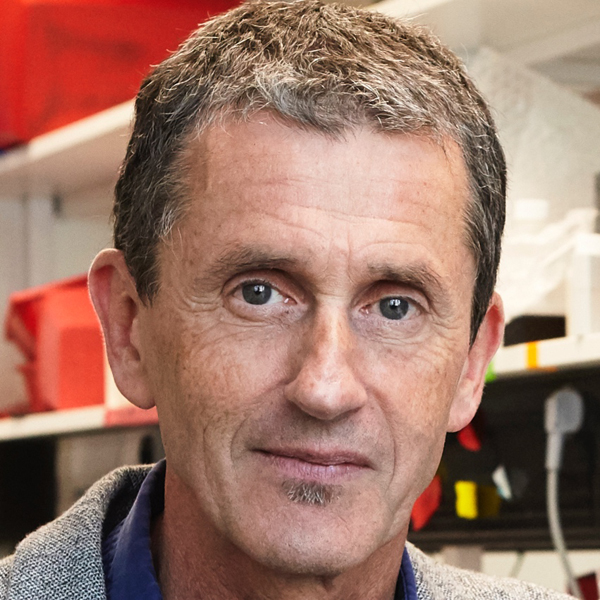
Philip Ingham is a distinguished academic currently serving as Vice Dean for Research and Toh Kian Chui Distinguished Professor of Developmental Biology at the Lee Kong Chian School of Medicine, Singapore. He also holds the position of Research Director at the A*STAR Institute of Molecular and Cell Biology (IMCB), Singapore. With a career spanning decades, Ingham has held prominent roles such as Director of the MRC Centre for Developmental and Biomedical Genetics at the University of Sheffield, UK, and Professor of Developmental Genetics there from 1996-2009.
- Education: BA (Hons) in Natural Sciences from Cambridge University (1977), D.Phil in Developmental Genetics from the University of Sussex (1981)
- Training: CNRS LGM (France), CNRS LGME (France), Imperial Cancer Research Fund (UK)
Ingham’s research focuses on Developmental Biology, with particular emphasis on Hedgehog signaling, Drosophila, Zebrafish, and Transcriptional regulation. His work has advanced understanding of gene networks in embryonic patterning and signal transduction.
His publications reflect a strong focus on Developmental Biology, Genetics, and Cell Signaling, with key contributions to Hedgehog pathway conservation across species and transcriptional mechanisms in Drosophila and zebrafish.
- Scientific Awards:
- 1979 EMBO Short Term Fellowship
- 1981 Royal Society European Exchange Fellowship
- 1982 EMBO Long Term Fellowship
- 1990 Balfour Memorial Prize (Genetical Society of Great Britain)
- 1995 Member of the European Molecular Biology Organisation
- 2002 Fellow of the Royal Society (London)
- 2005 Medal of the Genetics Society of Great Britain
- 2014 British Society for Developmental Biology Waddington Medal
Ingham has supervised numerous advisees in developmental genetics, though specific names are not listed in the provided text. His research has been supported by grants in hedgehog signaling and comparative developmental biology, though detailed grant information is unavailable here.
Ingham leads research teams at A*STAR IMCB, focusing on molecular mechanisms in developmental genetics, and contributes to international scientific discourse through leadership roles such as President of the International Society for Developmental Biology.