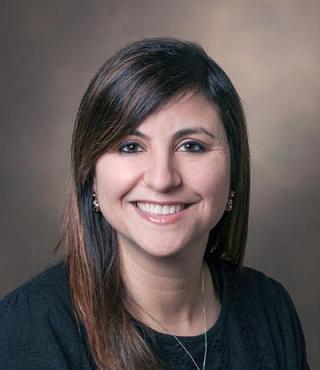
معرفی
Natasha B. Halasa, MD, MPH, is Craig Weaver Professor of Pediatrics in the Division of Pediatric Infectious Diseases at Vanderbilt University School of Medicine. She is based at Monroe Carell Jr. Children's Hospital at Vanderbilt, where she leads clinical and translational research in pediatric infectious diseases, vaccine development, and public health interventions.
- Doctor of Medicine: Medical College of Ohio, 1998
- Master of Public Health: Vanderbilt University, 2004
- Residency: Columbus Children's Hospital, Ohio State University
- Fellowship: Pediatric Infectious Diseases, Vanderbilt University Medical Center
Dr. Halasa's research focuses on understanding and reducing the burden of respiratory and gastrointestinal infections in children, particularly through vaccine trials and surveillance studies. Her work spans influenza, RSV, pertussis, pneumococcal disease, and infections in immunocompromised hosts. She has extensive expertise in vaccine protocol development and clinical trial design.
The recent publications reflect a strong emphasis on vaccine efficacy and immunogenicity across diverse pediatric populations, including those with cancer, congenital conditions, or immunosuppression. Her studies often involve multicenter collaborations, epidemiological modeling, and public health surveillance, with applications in both U.S. and global settings.
Dr. Halasa has received significant funding from the NIH and CDC, serving as Principal Investigator for the Vanderbilt site of the New Vaccine Surveillance Network and multiple clinical trials. Her work on maternal vaccination and infant protection has informed public health policy.
- Principal Investigator, New Vaccine Surveillance Network (CDC-funded)
- PI, NIH-funded trials on high-dose influenza vaccine in stem cell recipients
- PI, respiratory viral surveillance study in Amman, Jordan
She leads the Halasa Lab at Vanderbilt, which focuses on vaccine evaluation and infectious disease epidemiology. Her team collaborates with national and international partners to improve pediatric vaccine strategies and disease prevention.