معرفی
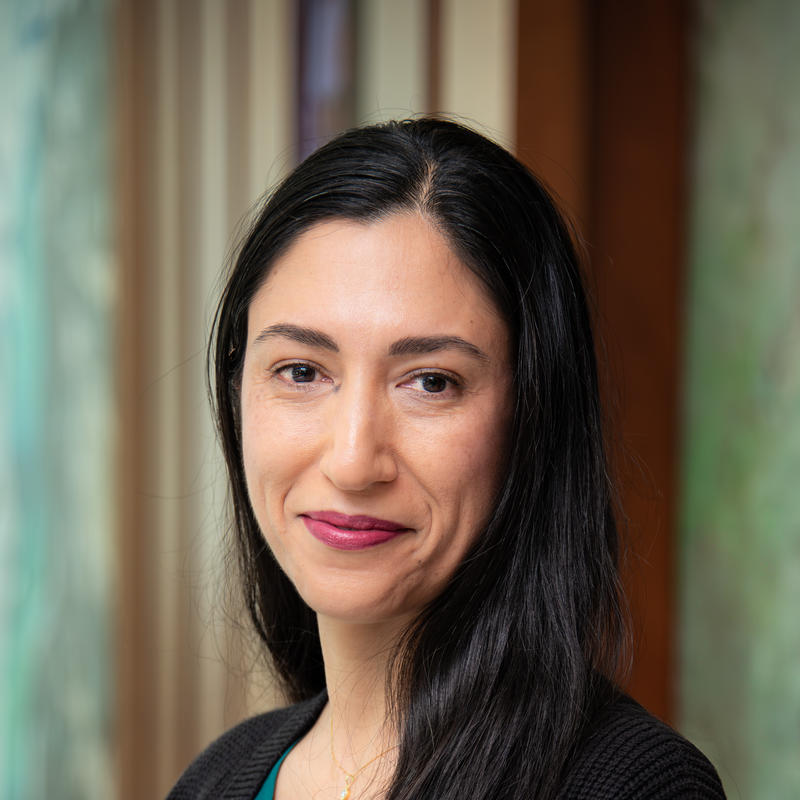
Dr. Monique Hennink is a Professor in the Hubert Department of Global Health at Emory University's Rollins School of Public Health. She holds affiliations as Visiting Professor at the University of Michigan and Instructor at Columbia University’s EPISUMMER program. Her academic journey includes a PhD in Demography from the University of Southampton, UK, and a focus on qualitative research methodologies.
Educations: B.A. and B.A. (Hons) from Flinders University, Australia; Ph.D. in Demography from the University of Southampton, UK.
Research Interests: Hennink specializes in qualitative research methods, particularly its application in global health contexts. Her work examines behavioral influences on public health issues such as sexual/reproductive health, sanitation practices, and chronic disease management. She is core faculty at Emory’s Center for Global Safe Water and affiliated with the Global Diabetes Research Centre.
Articles Trends: Her recent publications address methodological challenges in qualitative research (e.g., sample size estimation, saturation analysis) and applied topics like postpartum contraception in Togo, economic coercion in Bangladesh, and HPV vaccine promotion strategies. These studies highlight her focus on bridging methodological rigor with real-world health interventions.
Awards: Notable accolades include the 2020 Provost’s Distinguished Teaching Award and multiple MilliPub Club recognitions (2023-2024) for highly cited work. She also received Excellence in Research and Teaching awards from Rollins School of Public Health.
Advising & Grants: Hennink mentors students in global health and qualitative research, as evidenced by testimonials from advisees like Stephanie Hess and Karen Foster. She leads initiatives such as the QUAL-WORKS training program for public health professionals and chairs IUSSP panels on qualitative research in population studies.
Labs & Teams: Collaborates with the Center for Global Safe Water and Global Diabetes Research Centre, focusing on sanitation behavior in developing countries and diabetes prevention strategies.