معرفی
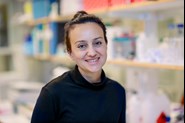
Prof. Dr. Michaela Frye is a full Professor at the German Cancer Research Center (DKFZ) in Heidelberg, Germany, where she leads a research group focused on gene expression mechanisms regulating stem cell fate in normal tissues and cancer. She has held this position since 2019 and was appointed deputy scientific director at DKFZ in 2023, highlighting her leadership in cancer and stem cell research.
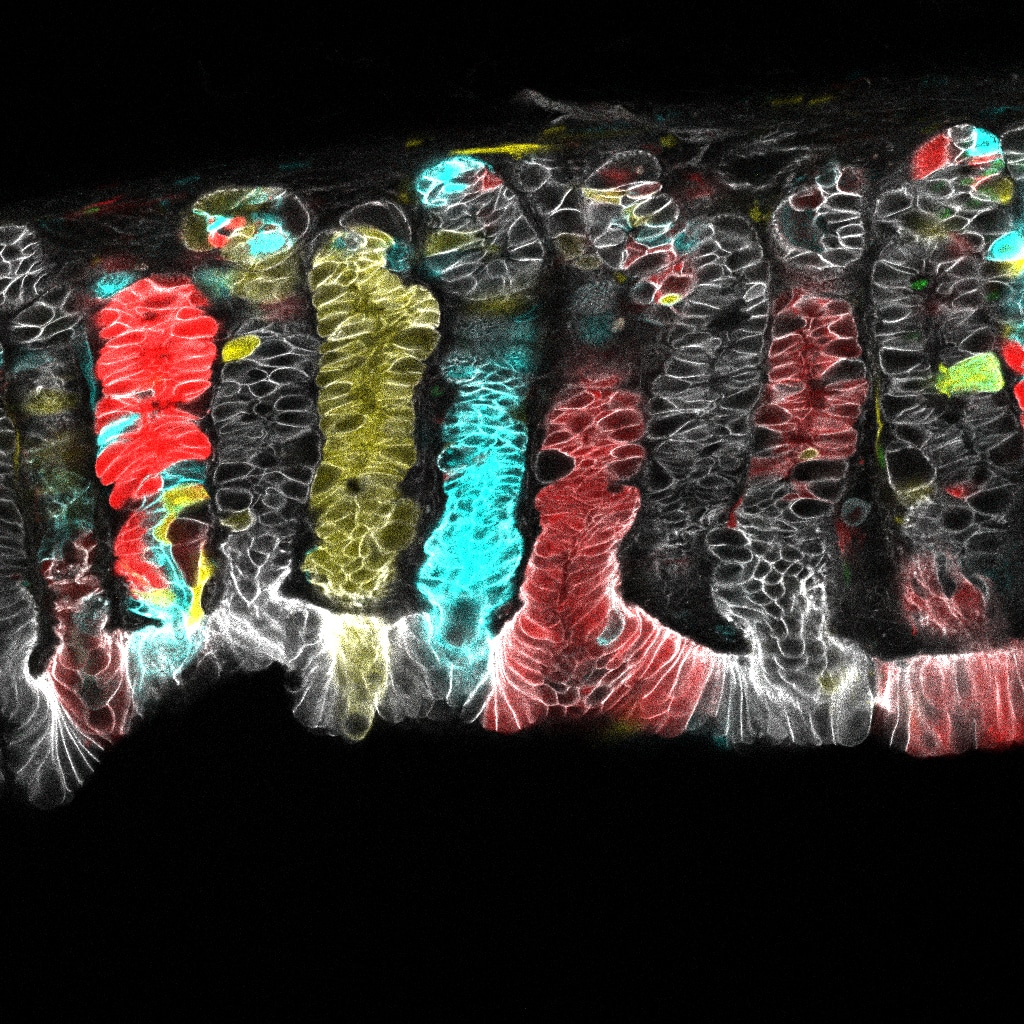
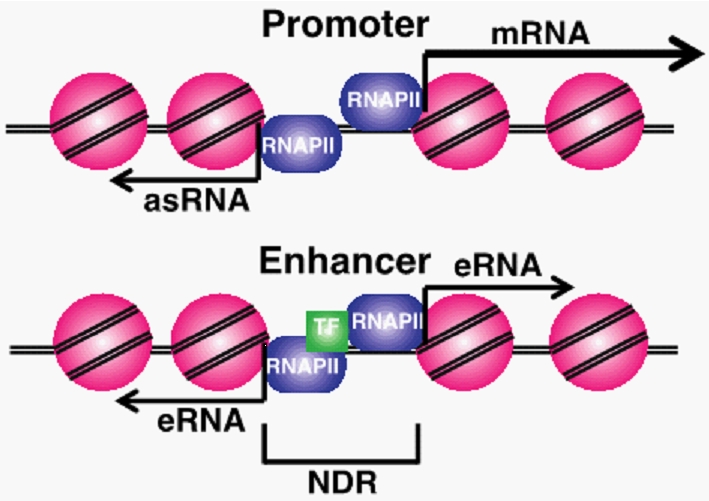
Her research interests lie at the intersection of stem cell biology and cancer, particularly in understanding how dysregulation of gene expression and RNA metabolism influences cell fate decisions and contributes to tumorigenesis. With a strong background in molecular and developmental biology, her work spans epithelial biology, RNA modification, and regenerative mechanisms, aiming to uncover fundamental processes underlying tissue homeostasis and disease.
Dr. Frye's research trajectory has been supported by prestigious awards, including a Cancer Research UK Career Development Fellowship, a Cancer Research UK Senior Fellowship, and an ERC Consolidator Grant. These recognitions reflect the impact and innovation of her work in advancing the understanding of stem cell function in health and disease.
- Cancer Research UK Career Development Fellowship
- Cancer Research UK Senior Fellowship
- ERC Consolidator Grant
Throughout her career, Dr. Frye has led independent research groups, first at the Wellcome Trust – Medical Research Council Cambridge Stem Cell Institute and currently at DKFZ. She has secured significant grant funding, demonstrating sustained research excellence and leadership. While no direct mention of student advising is made, her role as a group leader and professor implies mentorship of junior scientists and trainees within her lab.
Dr. Frye's research is conducted within her independent group at the DKFZ, which functions as a core component of her scientific team. The group investigates molecular mechanisms of gene regulation in stem cells, particularly focusing on post-transcriptional control and RNA modifications in the context of tissue maintenance and cancer development.