معرفی
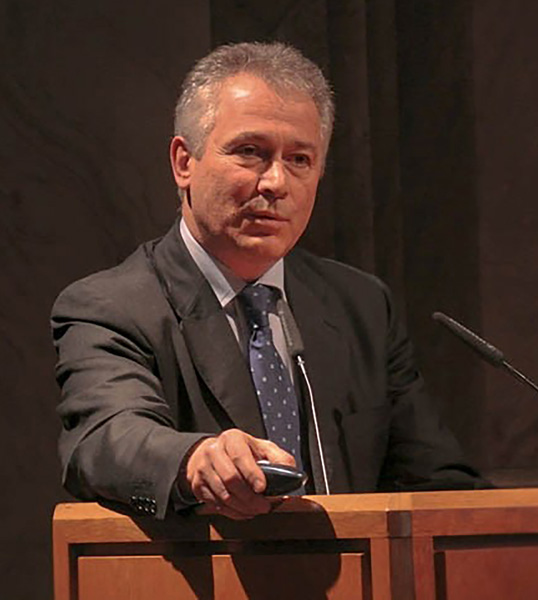
Professor Michael Stowasser is a distinguished academic and clinician at The University of Queensland, holding positions at the Diamantina Institute within the Faculty of Medicine and as Director of the Hypertension Unit at the PA Southside Clinical Unit, Faculty of Health, Medicine and Behavioural Sciences. With over 35 years of clinical research experience, he is internationally recognized as an authority on hypertension, particularly primary aldosteronism (PA), where he has made groundbreaking contributions to understanding its prevalence, diagnosis, and management.
Professor Stowasser's educational background includes:
- Bachelor (Honours) of Medicine Surgery, The University of Queensland
- Doctor of Philosophy, The University of Queensland
- Royal Australasian College of Physicians
His research primarily focuses on the pathogenesis and management of hypertension, with special emphasis on endocrine varieties such as primary aldosteronism. Professor Stowasser and his team at the Endocrine Hypertension Research Centre (EHRC) demonstrated that PA is approximately ten times more common than previously thought, accounting for as many as 10% of patients with hypertension. This groundbreaking finding has led to the identification of thousands of patients worldwide who would otherwise have gone undetected. His work on familial hyperaldosteronism type II (FH-II) led to the elucidation of its genetic basis, published in Nature Genetics. He conceived, developed and validated the seated saline suppression test which has become the favored method for confirming PA diagnosis.
Analysis of Professor Stowasser's recent publications reveals a consistent focus on improving diagnostic approaches for primary aldosteronism, understanding cardiovascular impacts of aldosterone excess, and developing better treatment protocols. His research spans clinical studies, genetic investigations, and methodological improvements in measurement techniques. A notable trend is the increasing international collaboration in his work, with studies involving researchers from multiple countries to address the global burden of hypertension and improve diagnostic and therapeutic approaches.
Professor Stowasser has received numerous prestigious awards and honors throughout his career:
- John W.H. Tyrer Prize for Research in Internal Medicine
- Robert Vandongen Memorial Lecturer (University of WA), 2002
- Honorary Professor to the Xinjiang Institute of Hypertension, 2005
- Visiting Professor to the Tung Wah Eastern Hospital, Hong Kong, 2008
- Gaston Bauer Lecturer, Cardiac Society of Australia and New Zealand, 2012
- Nimmo Visitor, Royal Adelaide Hospital, 2015
- Paul Korner Award, Hypertension Australia, 2024
Professor Stowasser has been highly active in research supervision, serving as Principal Advisor for numerous PhD candidates whose work focuses on various aspects of hypertension, primary aldosteronism, and related conditions. His grant funding portfolio is substantial, with current support including approximately $16 million in research grant support since 2019. He is currently a Chief Investigator on two MRFF grants and an NHMRC CCRE. His research has been supported by various organizations including the NHMRC, National Heart Foundation of Australia, and the Leducq Foundation. He has also served as Co-Chair of the working group developing the third international guideline for diagnosis and management of primary aldosteronism.
Professor Stowasser leads the Endocrine Hypertension Research Centre (EHRC), a University of Queensland School of Medicine Centre based at Greenslopes and Princess Alexandra Hospitals. The EHRC is the only Centre of its kind in Queensland and one of only a few internationally recognized Australian groups dedicated to hypertension-related clinical management and research. With more than 2000 thoroughly studied and documented patients with primary aldosteronism (probably the largest series worldwide), the Centre provides a unique resource for further research into causes, diagnosis and treatment of hypertension. The EHRC's work has demonstrated that aldosterone excess in unrecognized PA is associated with significant cardiovascular morbidity which exceeds that due to hypertension alone, with the risk of stroke in PA being over four times higher than that for other forms of hypertension.