معرفی
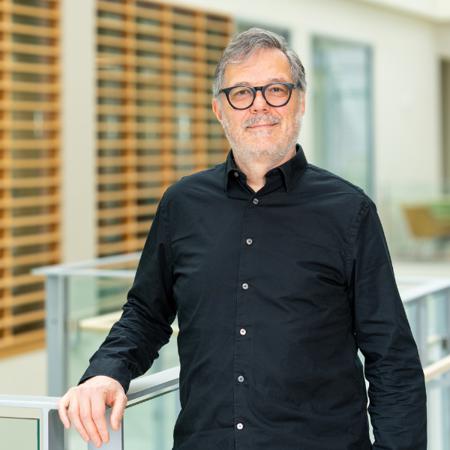
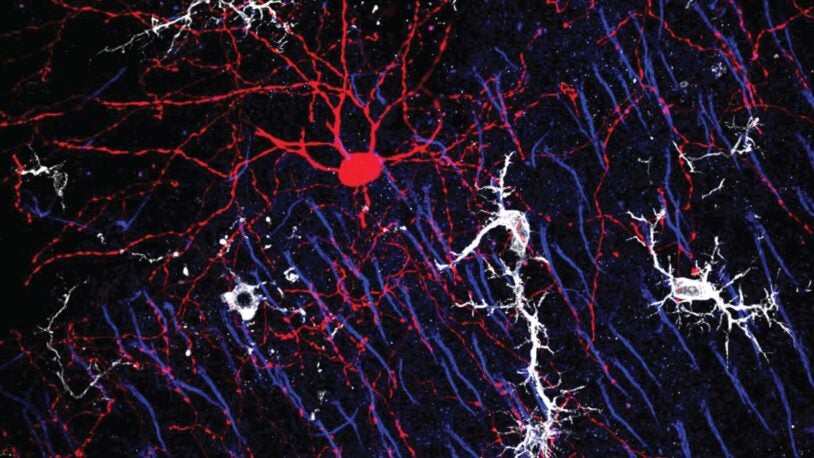
Michael Cahill is an Assistant Professor in the Department of Comparative Biosciences at the University of Wisconsin-Madison. He joined the Excellence in Education for Research in Psychobiology (ERP) program in 2017. His research focuses on understanding the molecular and biochemical mechanisms regulating dendritic spine plasticity in the normal and diseased brain, with particular emphasis on neurodevelopmental and neuropsychiatric disorders. He investigates how genetic and environmental risk factors (e.g., prenatal stress, sleep apnea) interact to produce synaptic and behavioral phenotypes.
Educational Background: B.A. (2001, Lawrence University), Ph.D. (2011, Northwestern University), Postdoctoral Fellowship (2017, Icahn School of Medicine at Mount Sinai).
Research Interests: Dendritic spine dynamics, synaptic plasticity in disease, environmental risk factors (e.g., maternal sleep disorders), and neurodevelopmental disorders like autism and schizophrenia. His work integrates animal models with molecular/cellular techniques to dissect synaptic pathology and its behavioral consequences.
Key Findings: Recent studies highlight stress-induced dysregulation of the Rap1 small GTPase in hippocampal dysfunction and maternal sleep apnea’s role in autism-relevant neuronal deficits. His lab also explores cocaine addiction mechanisms involving synaptic and epigenetic changes.
Awards: None explicitly listed in provided texts.
Advising/Grants: Supervised Amanda Vanderplow (PhD ’22), with no current ERP students. Grants and collaborations are inferred from research focus but not explicitly detailed here.
Labs/Teams: Leads a lab at UW-Madison studying synaptic mechanisms in disease, collaborating with neurobiologists and psychiatrists to bridge molecular and behavioral research.