معرفی
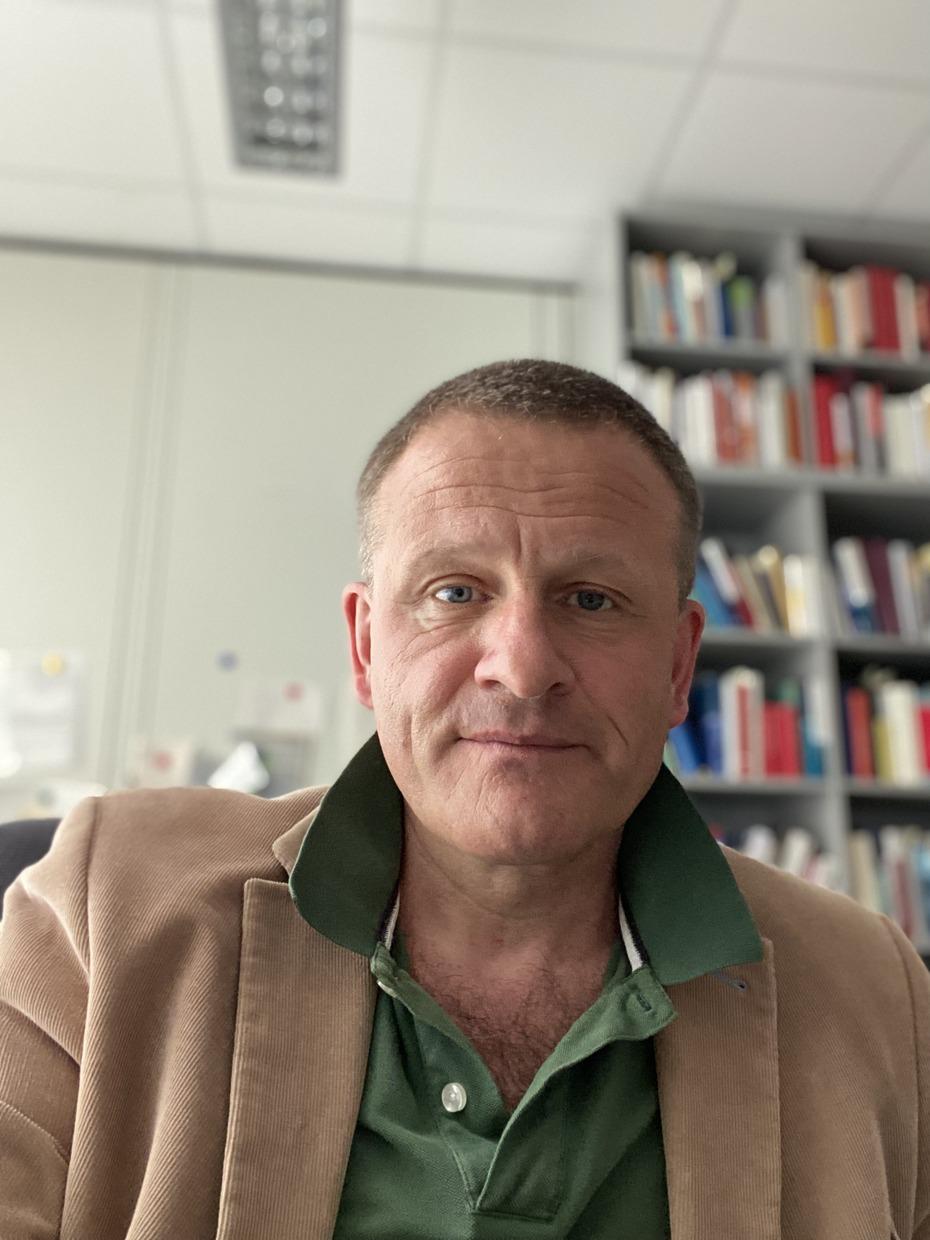
Martina Bengert is a Junior Professor for Literature and Religion in Romance Cultures with a focus on Gender Studies at the Institute of Romance Studies, Faculty of Languages and Literature, Humboldt University Berlin. She has held this position since April 2020 and serves as the Women's Representative of Romance Studies or Deputy Women's Representative of Constituency II of the Faculty of Languages and Literature.
Her academic background includes a doctorate in Romance and Comparative Literature from LMU Munich (2015) with highest honors (Summa cum laude) for her thesis "Night Thinking: Maurice Blanchot's 'Thomas l'Obscur'." Prior to her current position, she was an Academic Councillor at LMU Munich (2017-2020) and held a Postdoc scholarship from the Bavarian Equal Opportunities Fund (2015-2018).
Professor Bengert's research spans multiple interconnected domains:
- Simone Weil studies and contemporary philosophy
- Mystical traditions across French, Spanish, German, and Latin American contexts
- Gender studies with emphasis on body theories and performance
- Topological approaches to textual spatiality
- 20th century literature and theory
- Post-secular developments in religious thought
Her scholarly work demonstrates a consistent trajectory exploring how mystical traditions intersect with contemporary theory, particularly through the lens of Simone Weil. Recent publications show increasing focus on performance art (especially Marina Abramović), topological approaches to textual spatiality, and cross-cultural mystical traditions. Her work bridges historical religious thought with contemporary artistic practices.
Notable scholarly contributions include:
- Monograph: "Maurice Blanchot's 'Thomas l'Obscur'" (2017)
- Monograph: "Identity and Unrest – Fernando Pessoa as a Modern Thinker" (2007)
- Co-editing "Transsecular Textualities. Subjectivities, Politics, and Literature" (2024)
- Multiple forthcoming publications on Simone Weil, topology, and mysticism (2025)
Professor Bengert actively participates in academic discourse through interviews, radio features, and collaborative projects including the Simone Weil Denkkollektiv (Simone Weil Think Collective), demonstrating engagement with both scholarly and public intellectual spheres.
حوزههای پژوهشی