معرفی
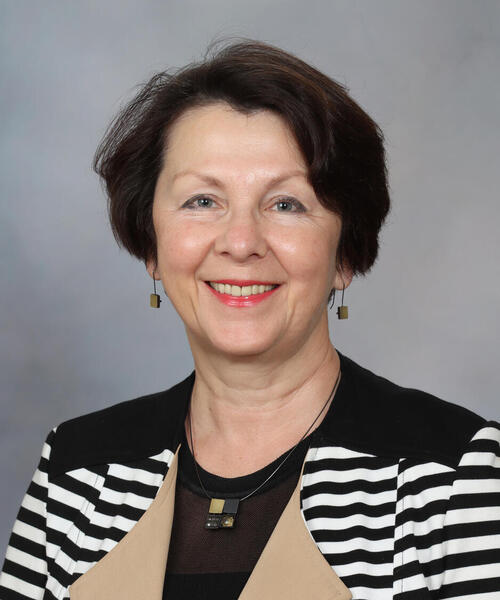
Mark P. Mattson is an Adjunct Professor of Neuroscience at the Johns Hopkins University School of Medicine, Department of Neurology. His research is centered on understanding the molecular and cellular mechanisms underlying brain aging and neurodegenerative diseases such as Alzheimer’s disease, Parkinson’s disease, and stroke.
Research Interests: His work spans developmental neuroscience, cellular and molecular neuroscience, and the neurobiology of disease. Key areas include oxidative stress, mitochondrial dysfunction, synaptic signaling, neuronal apoptosis, and the role of neurotrophic factors in neuroprotection. A major focus is on how dietary interventions like intermittent fasting and dietary restriction enhance neuronal resilience and promote healthy brain aging.
Research Trends: His recent publications (2016–2024) reveal a strong emphasis on metabolic regulation of brain health, particularly through intermittent fasting, hormesis, mitophagy, and senolytic therapies. These studies integrate animal models with human-relevant findings, aiming to translate basic science into preventative and therapeutic strategies for neurodegenerative disorders.
Scientific Contributions:
- Elucidated neurodegenerative cascades involving oxidative damage, calcium dysregulation, and mitochondrial failure.
- Demonstrated that dietary restriction enhances neurogenesis and protects against neurodegeneration.
- Advanced understanding of SIRT3, mitophagy, and senescence in Alzheimer’s models.
Advising and Mentoring: Dr. Mattson has trained numerous scientists who have become faculty and researchers at institutions worldwide. His former lab members hold positions at Johns Hopkins, LSU, Yale, Cleveland Clinic, National Institute on Aging, and universities in Korea, Germany, Israel, and Singapore.
Laboratory and Affiliations: His research is conducted within the Department of Neurology at Johns Hopkins, with affiliations to neuroscience training programs focused on brain aging and neurodegenerative disorders. His lab employs transgenic models, dietary interventions, and molecular techniques to explore neuroprotective signaling pathways.
حوزههای پژوهشی