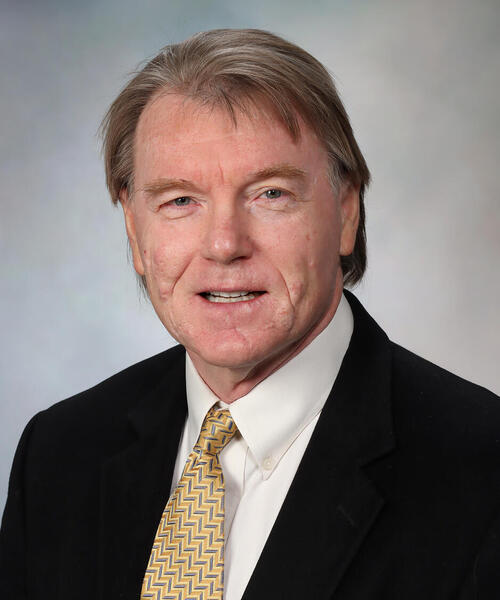
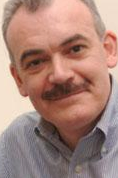
Dr. John A. Copland III is a Professor of Cancer Biology and Biochemistry & Molecular Biology at Mayo Clinic in Jacksonville, Florida. He leads the Cancer Biology and Translational Research Laboratory, focusing on molecular mechanisms of carcinogenesis, tumor progression, and development of targeted cancer therapies. Education: PhD in Physiology & Endocrinology (Medical College of Georgia), MS in Endocrinology (Medical College of Georgia), BS in Chemistry (Columbus College), with postdoctoral training at University of Texas Medical Branch. Research interests center on: Identifying tumor suppressor genes (e.g., RhoB, TBR3, GATA3) and oncogenes (e.g., FOXO3a, SCD1, NPTX2). Developing patient-derived xenografts and live cell models for personalized medicine. Designing SCD1 inhibitors via in silico modeling for clinical trials. Recent publications highlight his work on SCD1 inhibition in leukemia and thyroid cancer ImmunoPET imaging of thyroid tumors CRISPR-identified drug synergies in cholangiocarcinoma Patient-specific combination therapies using xenograft models
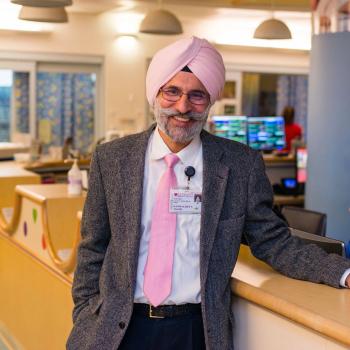
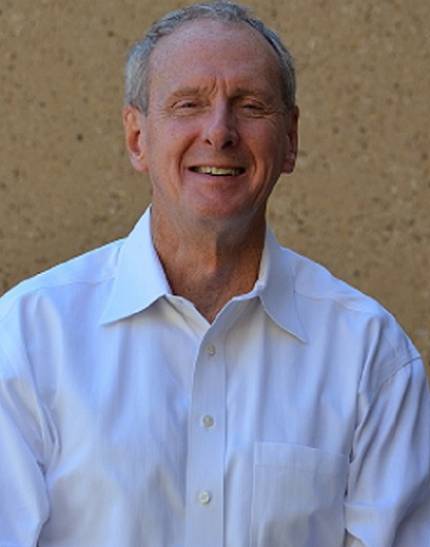
Dr. Kanwaljeet S. Anand is a dual-appointed Professor of Pediatrics (Pediatric Critical Care) and Anesthesiology, Perioperative & Pain Medicine at Stanford University School of Medicine. As director of the Pain/Stress Neurobiology Lab and Jackson Vaughan Critical Care Research Fund, he serves as Editor-in-Chief of Pediatric Research and maintains active membership in Bio-X, MCHRI, and Wu Tsai Neurosciences Institute. Rhodes Scholar with D.Phil from University of Oxford Harvard postdoctoral fellowship and Boston Children's Hospital residency Founded Harmony Health Clinic - Arkansas' largest charitable medical-dental facility A translational researcher with 30+ years of impact, Dr. Anand established the first scientific framework for infant pain perception and developed novel pain assessment methodologies. Current research focuses on: Hair biomarker analysis for stress and social affiliation (cortisol/oxytocin) Machine learning systems for objective pain detection in non-verbal infants Biopsychosocial interventions for stress reduction in disadvantaged youth Neurotoxicity mechanisms of sedatives in developing brains Global NICU opioid usage patterns through the NeoOpioid Consortium His work has yielded over 260 publications and significant advances in: Pediatric pain management protocols Neonatal stress biomarker development Critical care neurobiology insights Community health initiatives AI-driven clinical decision support systems Scientific Recognition 9th Annual 'In Praise of Medicine' Public Address, Erasmus University (2014) Nightingale Excellence Award (2016) Honorary Doctorate from University of Örebro (2019) NIH SBIB-H82 Study Section Chair (2018) Multiple IASP and American Pain Society awards Swedish Academy of Medicine's Nils Rosén von Rosenstein Award (2009) St. Jude Endowed Chairholder (2010) As mentor to Med Scholar Anjali Gupta and advisor to numerous professional bodies, Dr. Anand maintains active clinical leadership in Pediatric Intensive Care while advancing computational approaches to pain detection through collaborations with Stanford's AI researchers.
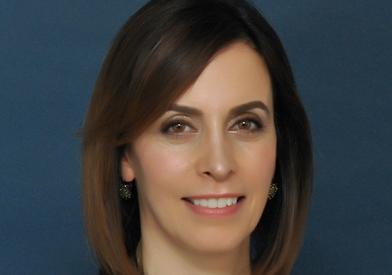
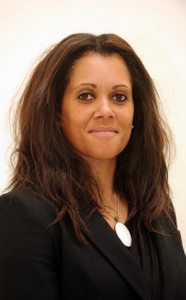
Alicia Che is an Assistant Professor of Psychiatry at Yale University School of Medicine and serves as Director of Graduate Admissions for the Interdepartmental Neuroscience Program. She joined the Yale Department of Psychiatry in 2021 after completing her postdoctoral fellowship with Dr. Natalia De Marco García at Weill Cornell Medical College and Dr. Gord Fishell at NYU. Her research is conducted through the Che Lab at Yale, where she investigates how early life experiences impact brain circuit assembly and mature function in models of psychiatric illness. Yale School of Medicine, Department of Psychiatry Interdepartmental Neuroscience Program Center for Brain & Mind Health Division of Molecular Psychiatry Wu Tsai Institute Yale Center for the Science of Cannabis and Cannabinoids Dr. Che earned her Ph.D. in Physiology and Neurobiology from the University of Connecticut in 2014, where she worked in the laboratory of Dr. Joseph LoTurco. She received her B.S. with triple majors in Biology, Physics, and Physical Chemistry from Pacific Lutheran University in Washington state in 2009. Her research focuses on understanding developmental trajectories following early life experiences to develop diagnostics and early interventions for psychiatric illnesses. Dr. Che's research examines how sensory inputs, social bonding, stress, and substance exposure impact brain development. She employs a multi-dimensional approach to assess transcriptional, circuit, neuronal activity, and behavioral changes across the entire developmental timeline. Her lab currently focuses on four specific areas: the role of oxytocin in social behavior development, circuit dysfunction in PTSD, early-life cannabinoid exposure effects, and the impact of early life stress on development and adulthood. She utilizes advanced techniques including mouse genetics, slice electrophysiology, and longitudinal in vivo 2-photon imaging on behaving animals. Her most recent publications demonstrate significant contributions to understanding neural circuit development, PTSD mechanisms, and the effects of early life experiences on brain function. Her work spans from molecular neuroscience to behavioral outcomes, with publications in top journals including Nature, Neuron, and Nature Communications. Her research has revealed important insights into how translaminar neuronal activity strengthens cortical columns, how oxytocin facilitates social touch development, and how PTSD affects brain transcriptomics. NARSAD Young Investigator Award (2020) K99/R00 Pathway to Independence Award from NINDS (2019) Dr. Che's work has significant implications for understanding and treating neurodevelopmental disorders, PTSD, and the consequences of early life experiences on mental health. She collaborates extensively with researchers across Yale and beyond, with frequent co-authorship with colleagues including Lin Lin, Alex Kwan, and Christopher Pittenger. Her research program bridges basic neuroscience with clinical applications, aiming to translate findings into potential interventions for psychiatric conditions.
Dr. Rebecca San Gil is a Lecturer at the School of Medical Sciences , University of Sydney, Australia. She leads the NeuroMolecular Discovery Group within the Neuroscience theme and is a member of the Charles Perkins Centre . Her research focuses on the molecular mechanisms underlying neurodegenerative diseases such as motor neuron disease (MND) and frontotemporal dementia (FTD) , with an emphasis on protein aggregation, stress responses, and therapeutic discovery. PhD, University of Wollongong (2018) Postdoctoral Research, Queensland Brain Institute (2018–2025) Endeavour Research Fellow (University College London) Her research spans molecular biology , neurosciences , and biochemistry , integrating techniques like genome-wide CRISPR screening , multi-omics analysis , and translational research . Key themes include the role of molecular chaperones , heat shock response , and protein folding dynamics in mitigating neurodegeneration. Dr. San Gil’s recent publications (2016–2025) highlight her work on TDP-43 pathology , heat shock proteins , and therapeutic strategies across ALS/FTD models. She has received awards such as the FightMND Early Career Research Fellow and the Sydney Dementia Network Future Research Leader Award (Travel Support Scheme) in 2025. Scientific Awards : FightMND Early Career Research Fellow, Sydney Dementia Network Future Research Leader Award (2025) Dr. San Gil actively mentors researchers like Celine CHYE and collaborates with institutions globally. Her team welcomes new members to explore neurodegenerative disease biology and therapeutic discovery .
Dr. Nika Danial is an Associate Professor of Cell Biology at Harvard Medical School and the Department of Cancer Biology at Dana-Farber Cancer Institute. She leads the Danial Lab, investigating metabolic mechanisms that regulate cellular adaptation to stress, with a focus on fuel utilization in health and disease. Dr. Danial holds additional roles as Co-Director of the NCI-funded T32 Training Program in Cancer Chemical Biology and Metabolism. Her research integrates biochemistry, mouse models, and metabolomics to study metabolic contributions to cancer, diabetes, and neurological disorders. Education: PhD from Columbia University (1999), postdoctoral training at Harvard Medical School and Dana-Farber under Dr. Stanley Korsmeyer. Key research areas include mitochondrial dynamics, glucose metabolism pathways, and the interplay between inflammation and metabolic signaling. The lab has pioneered studies on how metabolic flexibility impacts disease progression in pancreatic islets, lymphoma subtypes, and neuronal excitability. Publications highlight discoveries in mitochondrial fatty acid oxidation regulation, urea cycle anti-inflammatory mechanisms, and metabolic signatures in cancer subtypes. Her work has implications for developing therapies targeting metabolic vulnerabilities in diseases like diffuse large B-cell lymphoma and type 1 diabetes. The Danial Lab emphasizes rigorous training for the next generation of scientists through mentorship programs and interdisciplinary collaboration.
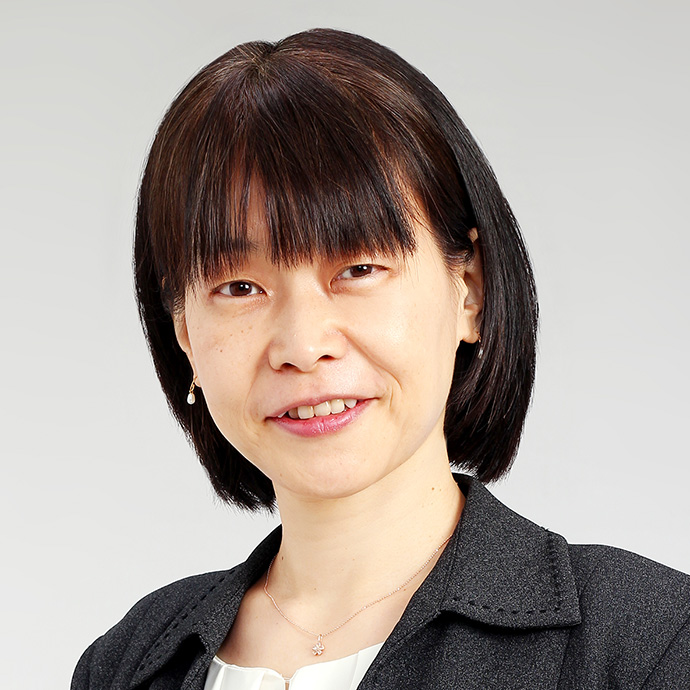
Yukiko Gotoh is a Professor at the Department of Pharmaceutical Sciences, Graduate School of Pharmaceutical Sciences, The University of Tokyo. She serves as the Deputy Director and Principal Investigator at the International Research Center for Neurointelligence (IRCN). Her research focuses on understanding the mechanisms that regulate neural stem/progenitor cell fate during embryonic brain development and in the adult brain. Dr. Gotoh's research interests include: Genetic and epigenetic regulation of neural stem/progenitor cell fate Neuronal maturation processes Genesis and maintenance of adult neural stem cells Relevance of neural stem/progenitor cell dysregulation in neurodevelopmental disorders such as autism spectrum disorders Investigation of mechanisms regulating neural stem-progenitor cell fate during neocortical development Genetic and epigenetic regulation of neuronal activation Analysis of Dr. Gotoh's recent publications reveals a strong focus on neural stem cell biology, epigenetic regulation, and neurodevelopmental disorders. Her work demonstrates how chromatin modifiers like Polycomb group proteins and HMGA proteins regulate neural stem cell fate decisions during brain development. A significant portion of her research explores the embryonic origins of adult neural stem cells and how dysregulation of these processes contributes to conditions like autism spectrum disorders and schizophrenia. Her laboratory also investigates the basic mechanisms of cellular responses to viral infection in the brain and their relevance to neurodevelopmental disorders. Dr. Gotoh has made significant contributions to understanding: The role of Polycomb group proteins in neural development How chromatin modifiers regulate neurogenic potential Cell cycle regulation in neural stem cells The PDK1-Akt pathway in neuronal migration Layer-specific heterogeneity of astrocytes Mechanisms underlying schizophrenia-related abnormalities Dr. Gotoh's laboratory conducts research on multiple fronts related to neural development and stem cell biology. Her team investigates: Mechanisms regulating neural stem-progenitor cell fate during neocortical development Genetic and epigenetic regulation of neuronal activation The embryonic origin of adult neural stem cells Dysregulation of neural stem-progenitor cell and neuronal fate in neurodevelopmental disorders Innate immune responses in the brain
Trond Vidar Hansen is a Professor at the Department of Pharmacy, University of Oslo , and leads the LIPCHEM research group . He collaborates with institutions including the University of Bergen and Vestlandets Innovasjonsselskap through the VITADEL project, which recently received NOK 5,000,000 in verification support from the Research Council of Norway. His research focuses on the synthesis and biological evaluation of specialized pro-resolving lipid mediators derived from omega-3 fatty acids, with applications in inflammation resolution, neuroinflammation, and drug development. University : University of Oslo Department : Department of Pharmacy Research Group : LIPCHEM Collaborations : University of Bergen, Vestlandets Innovasjonsselskap Research Interests : H Hansen's work centers on the organic synthesis of bioactive lipid derivatives, particularly pro-resolving mediators from omega-3 polyunsaturated fatty acids. His team investigates their roles in inflammatory disease models , neuroinflammation , and PPAR receptor activation , aiming to develop therapeutic agents for conditions like chronic pain, diabetes, and neurodegenerative disorders. The research integrates stereoselective chemistry , biochemical profiling , and pharmacological evaluation to validate these mediators' clinical potential. Recent Awards : 2025: NOK 2,000,000 verification support from Research Council of Norway 2025: Co-leader of NOK 5,000,000 VITADEL project Publications : His articles (2015–2024) reveal a focus on stereoselective synthesis of resolvins, protectins, and maresins, with applications in anti-inflammatory and neuroprotective therapies . Key subfields include omega-3 metabolite profiling , PPAR agonist design , and biosynthetic pathway elucidation , often utilizing human cell models and mouse disease models . Collaborative projects emphasize commercialization of academic research and translational medicine .
Yeonhwa Park is a Professor and holder of the Francis Chair in the Department of Food Science at the University of Massachusetts Amherst. Her research focuses on functional foods, bioactive components, and environmental contaminants' effects on obesity and aging. She investigates food bioactives like conjugated linoleic acid (CLA) and environmental pollutants like PFAS to understand their roles in metabolic disorders and aging mechanisms. Her work spans multiple models, including C. elegans, zebrafish, and rodent studies, emphasizing translational applications for human health. Teaching responsibilities include courses such as 'Science of Food' (FS150), 'Biology of Food in Human Health' (FS270), and 'Bioactive Food Components' (FS750). Awards include Clarivate Highly Cited Researcher (2017–2018), Faculty Convocation Award (2015), and the Timothy Mounts Award (2015). Her research has been published in over 150 peer-reviewed articles, with recent emphasis on environmental contaminants' impact on obesity and type 2 diabetes, and the use of C. elegans for screening bioactives. Key findings include CLA's role in fat reduction, PFAS-induced metabolic disruption, and the application of alternative models (e.g., C. elegans) to reduce animal testing. Her lab integrates molecular biology, toxicology, and food science to address global health challenges like the obesity epidemic and environmental toxin exposure.
Dr. Barbara L. Hempstead is a Professor of Neuroscience and Medicine at Weill Cornell Medical College, where she has held positions since 2001 and 2002 respectively. Her research focuses on neurotrophin signaling mechanisms, particularly the roles of BDNF and its receptors in neuroinflammation, synaptic plasticity, and neurodegenerative diseases. She has made significant contributions to understanding proBDNF/proNGF signaling pathways in neuronal apoptosis and vascular biology. Education: M.D., Ph.D., Washington University School of Medicine (1982) B.A., Tufts University (1976) Dr. Hempstead's work bridges molecular neuroscience and cardiovascular biology, with a particular interest in receptor stoichiometry (p75NTR, TrkB), neurotrophin-induced synaptic remodeling, and therapeutic applications of neurotrophin modulators in Huntington's disease and post-seizure neuronal injury. Her lab investigates how genetic variants like BDNF Val66Met influence anxiety-related behaviors, social memory, and neurodegenerative disease progression through altered neurotrophin trafficking and signaling. Her recent publications highlight neuroinflammatory mechanisms (2023), immune-neurotrophin interactions (2022), and molecular pathways involving BDNF prodomain structure (2020) and SorCS2-mediated receptor trafficking (2017-2020). While no scientific awards are explicitly mentioned in the scraped text, her funded research (National Institute on Aging, NIMH) demonstrates sustained recognition of her work in neurotrophin biology. Dr. Hempstead's lab develops in vitro and in vivo models to study neurotrophin-receptor dynamics, including 3D culture systems for angiogenesis research and transgenic mouse models for Huntington's disease. Her interdisciplinary approach combines molecular neurobiology with vascular physiology to uncover novel therapeutic targets for neurological and cardiovascular conditions.
Anthony Brown is an Associate Professor in the Department of Cell and Developmental Biology at Weill Cornell Medical College, part of the Graduate School of Medical Sciences. He has been a faculty member since 1987 and currently serves as Director of the Office of Medical Student Research. Education: B.A. in Natural Sciences (Genetics), University of Cambridge, 1977 M.A., University of Cambridge, 1980 Ph.D. in Molecular Biology, University of Edinburgh, 1982 Postdoctoral Fellow, University of California, San Francisco (with Harold Varmus) Postdoctoral Fellow, University of Strasbourg (with Pierre Chambon) Dr. Brown's research focuses on the Wnt family of signaling proteins and their roles in tissue development, homeostasis, and cancer. His work has significantly advanced the understanding of both canonical and non-canonical Wnt pathways, particularly in breast and colorectal cancers. He has shown that Wnt signaling contributes to oncogenesis through mechanisms involving stem-like cells, epithelial-to-mesenchymal transition, and crosstalk with other signaling cascades such as TGFβ. His research employs diverse models including cell culture, organoids, mouse models, and patient-derived tissues. His recent publications reveal a strong emphasis on Wnt signaling in cancer stem cells, metastasis, and signal transduction mechanisms. Trends include the role of Wnt in tumor microenvironments, regulation of ribosomal DNA, and therapeutic targeting of multiple pathways simultaneously. His work frequently appears in high-impact journals such as PNAS, Cancer Research, and Development. Scientific Awards: Royal Society European Science Exchange Fellowship Medical Research Council (U.K.) Travelling Fellowship Cornell Scholars Award Andrew W. Mellon Teacher-Scientist Award Pew Scholar in the Biomedical Sciences Irma T. Hirschl Career Scientist Award WCM Awards for Teaching Excellence WCM Awards for Excellence in Medical Education Dr. Brown has been actively involved in grant-funded research, including as a Co-Investigator on the Clinical and Translational Science Center (UL1) grant awarded by the National Center for Advancing Translational Sciences (2022–2027). He collaborates with a broad network of co-investigators across disciplines. He also mentors students and contributes to medical education, reflecting his dual commitment to research and teaching. His laboratory investigates Wnt signaling mechanisms and their implications for cancer therapeutics.
George Henderson is a Professor at the Texas Tech University Health Sciences Center in the Department of Pharmacology & Neuroscience . His research focuses on the neurotoxic effects of ethanol and environmental toxins during development, particularly mechanisms of apoptosis and oxidative stress in the brain and placenta. Primary Affiliation: Texas Tech University Health Sciences Center Research Areas: Developmental neuroscience, neurotoxicity, oxidative stress, fetal alcohol spectrum disorder, nanoparticle drug delivery Research Trends: His publications from 1972–2023 show sustained expertise in ethanol-induced developmental damage, placental drug transport mechanisms, and antioxidant therapeutic strategies. Recent work (2023) explores chlorogenic acid as a neuroprotective agent via NFATc4/CSE pathways. Key Collaborations: Institute for One Health Innovation and translational neuroscience teams at TTUHSC.
Robert Hill is an Associate Professor at Dartmouth College, affiliated with the Biological Sciences department and the Dartmouth Graduate Program in Integrative Neuroscience and Molecular & Cellular Biology. His lab studies neuron-glia interactions focusing on oligodendrocyte development, plasticity, and regeneration in contexts like multiple sclerosis, aging, and Alzheimer's disease. Techniques include high-resolution optical imaging, molecular labels, genetic manipulation, and cellular physiology sensors. Education: B.S. from Trinity College, Ph.D. from University of Connecticut, Postdoctoral Fellow at Yale School of Medicine Research interests span Neuroscience , Developmental Biology , Myelination , and Neurodegenerative Diseases . Recent work explores mitochondrial reorganization in oligodendrocyte generation, CX3CR1-mediated microglial phagocytosis, and age-related myelin plasticity. Scientific awards include the Klingenstein-Simons Fellowship (2022). His lab has received NIH R01 grants (2021, 2025) and seed funding from the Brain Research Foundation (2019). Current lab members include PhD students Zoela Gilani, Kiera Schwarz, and postdoctoral fellows like Yasmine Kamen.
Rachel Bailey is a researcher at UT Southwestern with a focus on developing gene therapies for neurological disorders. She holds dual bachelor's degrees in Biology/Bioinformatics and Molecular Biology from Rensselaer Polytechnic Institute, a Ph.D. in Neuroscience from the University of Florida, and completed postdoctoral research at the University of North Carolina Chapel Hill. Education : Dual B.S. from Rensselaer Polytechnic Institute, Ph.D. in Neuroscience Her research spans gene therapy for monogenic and complex neurodegenerative diseases, including SLC13A5 epileptic encephalopathy , Giant Axonal Neuropathy , and tauopathies like Alzheimer’s disease. She employs AAV vector engineering for gene replacement and silencing, with expertise in preclinical development and IND-enabling studies . Recent publications highlight her work on tau protein phosphorylation in Parkinson’s disease, AAV9 gene therapy for GAN, and autonomic dysfunction in neurodegenerative models. Key collaboration networks include institutions like the NIH and Mayo Clinic.
Professor Annette Byrne is a leading academic at RCSI University of Medicine and Health Sciences , where she serves as Professor of Physiology and Head of the Precision Cancer Medicine (PCM) Group. She has held this position since 2019 after progressing through roles as Lecturer (2008), Senior Lecturer (2013), and Associate Professor (2017). Her research focuses on precision medicine approaches for colorectal and brain cancers , integrating multi-modality molecular imaging , Next Generation Sequencing , and patient-derived xenograft models . PhD in Cell Biology (University of York, 1999) John Kerner Fellowship in Gynaecologic Oncology (UCSF, 1999-2001) Scientist at Pharmacyclics Inc. (2001-2003) Senior Scientist at Angion Biomedica Corp. (2003-2005) Principal Investigator at UCD Conway Institute (2005-2008) Her research interest lies in precision cancer medicine , particularly elucidating predictive biomarkers (genomic, transcriptomic, proteomic) and identifying novel therapeutic targets . Key methodologies include radiomics , fluorescence-guided surgery , and systems modeling of apoptosis pathways. She has pioneered Ireland's first Tumour Xenograft Facility and Translational In Vivo Imaging Centre . Recent publications highlight her work on cross-species radiomics , cell-free DNA analysis , and glioblastoma microenvironment subtyping . Her Marie Curie networks (Gliotrain, Glioresolve) and COLOSSUS project have trained 25+ PhD researchers in brain cancer therapeutics. Over €45M in national/international grants Member of Royal Irish Academy (2025) Highly cited in Cancer Discovery , Annals of Oncology , and Nature journals She supervises multiple PhD candidates and leads the RCSI Precision Cancer Medicine Group , which utilizes computational approaches and molecular imaging to improve cancer treatment outcomes. Her GLIORESOLVE and EDIReX projects focus on tumor microenvironment manipulation and distributed PDX infrastructure.
Maureen A. Kane, PhD, is a Professor and Executive Director of the Mass Spectrometry Center at the University of Maryland School of Pharmacy, Department of Pharmaceutical Sciences. She holds leadership roles in analytical chemistry, biomarker discovery, and translational research. Dr. Kane’s research focuses on mass spectrometry-based methodologies, retinoid metabolism, and radiation injury biomarkers. Education & Experience: BS in Chemistry, Canisius College (1995) PhD in Chemistry, University at Buffalo (2002) Postdoctoral Fellow, University of California, Berkeley (2003–2009) Assistant Professor (2009–2015), Associate Professor (2015–2022), and Professor (2022–present), University of Maryland School of Pharmacy Executive Director, Mass Spectrometry Center (2015–present) Research Interests: Dr. Kane’s work integrates advanced mass spectrometry techniques with biochemical studies to address disease mechanisms. Key areas include retinoid signaling in development and reproduction, radiation injury biomarkers, and pharmaceutical analysis. Her lab develops novel methods for metabolomics, lipidomics, and imaging mass spectrometry. Biomarker Research Highlights: Her team identifies biomarkers for radiation exposure outcomes, prenatal alcohol exposure, and traumatic brain injury. Collaborations with MCART (Medical Countermeasures Against Radiological Threat) consortium advance medical countermeasure development. Awards: Champions of Excellence Award (2018) Teacher of the Year (2011–2012) Waters Center of Innovation (2013–present) Grants & Advising: Dr. Kane leads NIH-funded projects on retinoid metabolism and radiation biomarkers. She mentors over 20 graduate students and postdocs, with many alumni in academic and industry roles. Lab & Facilities: The Mass Spectrometry Center, directed by Dr. Kane, provides cutting-edge instrumentation for proteomics, lipidomics, and MALDI-MSI. It supports collaborative research across disciplines.