معرفی
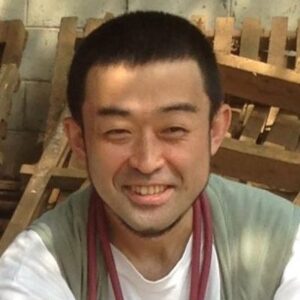
Kensuke Takahashi serves as Assistant Professor at Nagasaki University's Graduate School of Tropical Medicine and Global Health and the Acute & Critical Care Unit of Nagasaki University Hospital, while maintaining clinical practice at Nagasaki Minato Medical Center and serving on the board of Médecins Sans Frontières Japan. His career integrates emergency medicine with global health research across Southeast Asia and Africa.
Education:
- 2006: M.D., Hirosaki University School of Medicine
- 2015: Ph.D., Graduate School of Biomedical Sciences, Nagasaki University
Dr. Takahashi's research centers on infectious disease epidemiology in resource-limited settings, with expertise in respiratory pathogens, outbreak response, and humanitarian emergency care. His work bridges clinical medicine and public health through field studies in Vietnam, Philippines, and Liberia, focusing on measles, diphtheria, influenza, and pneumonia. He actively removes borders between domestic and global health systems through his dual clinical-academic roles.
His publications (2013-2025) demonstrate consistent field-based epidemiology in tropical regions, with recent work emphasizing pandemic preparedness (influenza/COVID-19), vaccine-preventable disease outbreaks, and emergency care in humanitarian crises. The research portfolio reveals methodological diversity across case reports, outbreak investigations, and community surveillance.
Academic Leadership:
Dr. Takahashi supervises Master's and Doctoral students in Tropical Medicine while teaching Travel Medicine and Tropical Infectious Diseases courses. His current field work includes diphtheria serology surveys in the Philippines and clinical management protocols for emerging infections. As part of Nagasaki University's Emergency and International Support Office, he coordinates medical responses for international humanitarian missions.
Operational Framework:
Embedded within Médecins Sans Frontières Japan and Nagasaki University's Advanced Emergency and Critical Care Center, his work connects Japanese healthcare infrastructure with global field operations. Current priorities include evaluating medical quality standards in humanitarian activities and strengthening emergency response systems in Southeast Asia.