معرفی
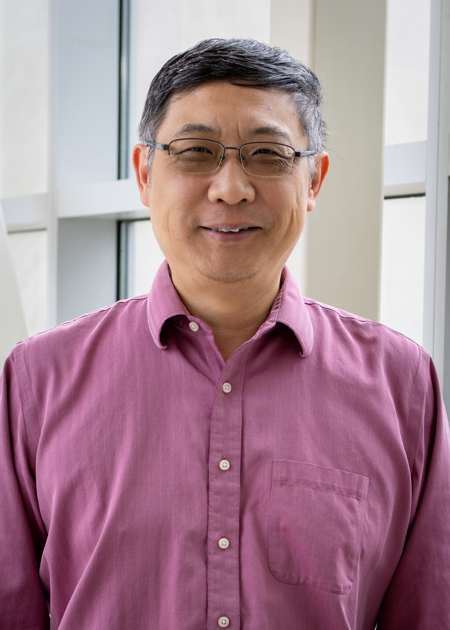
Kefei Yu is a Professor in the Department of Microbiology, Genetics, & Immunology at Michigan State University, with additional faculty appointments in the Genetics & Genome Sciences Program and Cell & Molecular Biology Program. His research focuses on fundamental mechanisms of DNA recombination and repair in immune cells, particularly V(D)J recombination and class switch recombination (CSR).
Dr. Yu's primary research interests include DNA repair mechanisms, immunogenetics, molecular immunology, and genomic instability. His laboratory investigates how activation-induced cytidine deaminase (AID) initiates CSR and somatic hypermutation in B cells, with emphasis on R-loop formation, DNA break generation at switch regions, and repair mechanisms that prevent chromosomal translocations. His work bridges molecular biology and immunology to understand how defects in these processes lead to immunodeficiencies and B-cell malignancies.
Analysis of Dr. Yu's publication trends reveals consistent focus on DNA repair pathways, particularly non-homologous end joining (NHEJ) and alternative end joining mechanisms. His recent work (2020-2025) increasingly incorporates structural biology approaches like cryo-EM to examine protein complexes involved in DNA break repair, while maintaining his core focus on immunoglobulin diversification mechanisms. Key themes include AID targeting mechanisms, DNA ligase functions, and the role of R-loops in genomic instability.
- Lig3-dependent rescue of mouse viability and DNA double-strand break repair by catalytically inactive Lig4 (2025)
- Compared to other NHEJ factors, DNA-PK protein and RNA levels are markedly increased in all higher primates (2024)
- DNA-PK: A synopsis beyond synapsis (2024)
- Two distinct long-range synaptic complexes promote different aspects of end processing (2023)
Dr. Yu's research program involves extensive collaboration with structural biologists and immunologists. His laboratory maintains active investigations into the molecular mechanisms of DNA break formation and repair during antibody diversification, with implications for understanding cancer development and immune deficiencies. Current work focuses on catalytically inactive DNA repair enzymes and their unexpected roles in maintaining genomic stability.