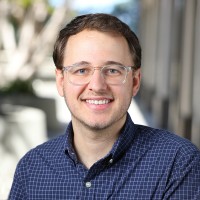
Kenneth Hoehn is an Assistant Professor in the Department of Biomedical Data Science at the Geisel School of Medicine, Dartmouth College. As a computational immunologist with expertise in evolutionary biology, he develops computational evolutionary approaches to trace cellular lineages, particularly B cells, in contexts such as infection, vaccination, cancer, and autoimmune diseases. His research focuses on understanding adaptive immunity in conditions like COVID-19 Food allergies Myasthenia gravis through collaborations with experimental teams. Key projects include: Phylogenetic modeling of B cell responses Evolutionary signatures in immune repertoires Tracking B cell dissemination in autoimmune diseases Epigenetic regulation of memory B cells Recent publications highlight trends in single-cell immunology , phylogenetic inference , and computational tools for analyzing B cell dynamics. His lab at Dartmouth integrates evolutionary genetics with high-resolution immune profiling.
Dijin Xu is an Associate Research Scientist in the Department of Microbial Pathogenesis at Yale School of Medicine, Yale University. His research focuses on lipid metabolism, immunology, and molecular mechanisms underlying metabolic disorders and host-pathogen interactions. He holds a PhD from Tsinghua University (2016). Education: PhD in Microbiology, Tsinghua University, 2016 Research Interests: Dr. Xu’s work spans immunology (e.g., B cell biology and somatic hypermutation), lipid metabolism (lipid droplet dynamics and adipose tissue homeostasis), and virology (antiviral defense mechanisms against SARS-CoV-2). His studies integrate cellular biology, molecular genetics, and biochemical approaches to understand disease processes. Publications Overview: His recent work explores mechanisms of lipid droplet regulation, metabolic disorder prevention, and immune system function. Notable contributions include studies on Rab GTPases in lipid storage and ELOF1’s role in antibody diversification. Labs & Affiliations: He is affiliated with the West Campus Integrative Science & Technology Center at Yale University, focusing on interdisciplinary research in cellular and molecular biology.
Alexander Gitlin, MD, PhD , is an Assistant Member in the Immunology Program of the Sloan Kettering Institute at Memorial Sloan Kettering Cancer Center , and an Adjunct Assistant Professor (by joint appointment) at the Weill Cornell Graduate School of Medical Sciences . He directs the Gitlin Lab, which investigates how inflammatory cell signaling controls the magnitude and quality of innate immune responses in health and disease. Education & Training AB, Chemistry & Physics – Harvard University, 2009 PhD, Immunology – The Rockefeller University, 2016 (mentor: Michel Nussenzweig) MD – Weill Cornell Medicine, 2017 Residency, Clinical Pathology – Stanford University, 2017-2019 Post-doctoral training – Genentech, Inc. (Vishva Dixit laboratory), 2019-2022 Research Focus The Gitlin Lab combines genome-editing , proteomics , advanced imaging , and in-vivo models to dissect molecular circuits that balance cell survival and death during innate immune activation. By studying genes mutated in inherited autoinflammatory diseases, the group aims to uncover new therapeutic targets for immunodeficiency, auto-inflammation and cancer. Representative Publications Trend Across 25 peer-reviewed articles (2011-2025), Gitlin’s work moves from foundational studies on germinal-center B cell selection to recent high-impact papers that mechanistically link ubiquitin signaling, caspase activity and Toll-like receptor pathways. These studies collectively illuminate how post-translational modifications tune inflammatory intensity. Scientific Awards & Honors Pershing Square Sohn Cancer Prize – 2025 NIH Director’s DP5 Early Independence Award – 2022-2027 Josie Robertson Investigator – 2022-2027 Burroughs Wellcome Fund Career Award for Medical Scientists – 2022 NIAID K08 Mentored Clinical Scientist Award – 2021 Harold M. Weintraub Graduate Student Award – 2016 Training & Mentorship Gitlin currently mentors four PhD students (Kanno, Londoner, Morrison, Pacini) drawn from the Tri-Institutional and Gerstner Sloan Kettering programs. The lab hosts research fellows, technicians, and rotating students, and maintains active recruitment for fully-funded post-doctoral positions. Lab & Institutional Affiliations The Gitlin Lab is physically housed within the Immunology Program at the Sloan Kettering Institute, with access to core facilities for CRISPR editing, single-cell genomics, high-resolution imaging and mouse models. The group is additionally affiliated with the Gerstner Sloan Kettering Graduate School of Biomedical Sciences and the Weill Cornell Immunology & Microbial Pathogenesis PhD program .
Thomas Cokelaer is a researcher at the Institut Pasteur, affiliated with the Bioinformatics and Biostatistics HUB and based at the Platform Biomics. Since October 2018, he has led the SALSA (dry-lab) group, focusing on bioinformatics software development and data analysis. His interdisciplinary background spans astronomy, plant modeling, systems biology, and drug discovery. Institution: Institut Pasteur Unit: Bioinformatics and Biostatistics HUB Platform: Platform Biomics Group: SALSA (dry-lab group) leader His research interests center on bioinformatics, next-generation sequencing (NGS) analysis, machine learning, data visualization, and reproducible research. He develops and maintains several widely used open-source tools including Sequana (NGS pipelines), BioServices (biological web services), Bioconvert (format conversion), Sequanix (GUI for Snakemake), and GDSCTools (pharmacogenomics). He is deeply committed to promoting reproducibility in computational research through initiatives like reprohackathons. The recent publications reflect a strong trend in computational biology, with a focus on developing bioinformatics methodologies, improving data analysis workflows, and applying these tools to diverse biological problems such as fungal pathogenesis, cancer pharmacogenomics, mitochondrial metabolism, and viral evolution. The work spans genomics, transcriptomics, systems biology, and software engineering. He has contributed to numerous scientific software projects as Principal Investigator, including Sequana, Bioconvert, GDSCTools, DREAMTools, and Sequanix. He has also taught courses in scientific programming with Python and reproducible data analysis at the Institut Pasteur. His collaborative network includes researchers from EMBL-EBI, Sanger Institute, INRIA, and international partners within the Pasteur Network. The SALSA group hosts master’s students and visiting researchers annually.
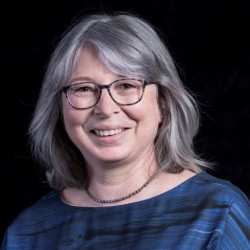
Lena Ström, Senior Lecturer at the Department of Cell and Molecular Biology, Karolinska Institutet, specializes in sister chromatid cohesion, DNA damage responses, and genome integrity. Her research explores the role of Structural Maintenance of Chromosome (SMC) complexes in DNA repair, chromosome segregation, and developmental syndromes like Cohesinopathies. 2017: Senior Lecturer at Karolinska Institutet 2015: Docent at Karolinska Institutet 2002: PhD in Cell and Molecular Biology from Karolinska Institutet Her work focuses on the Cohesin complex's dual role in sister chromatid cohesion and DNA repair, particularly in cancer and Cohesinopathies. By studying yeast and human cells, her group investigates how DNA damage activates cohesion, impacts telomere maintenance, and contributes to tumor development and developmental disorders. Recent publications highlight Cohesin's role in damage-induced cohesion, DNA repair regulation, and SMC complex dynamics. Key collaborations span genetics, immunology, and medical research, with applications in cancer treatment and patient support for Cornelia de Lange syndrome. Current projects aim to elucidate Cohesin network mechanisms in chromatin structure, transcriptional regulation, and cancer therapy targets. Her group integrates advanced biochemistry, genomics, and functional studies to address molecular pathways in healthy and malignant cell cycles.
Professor Kang Chen is a faculty member at the Wayne State University School of Medicine with joint appointments in the Department of Obstetrics and Gynecology , Biochemistry, Microbiology and Immunology , Oncology , and the Center for Molecular Medicine and Genetics . He co-chairs the Immunology Focus Group across Wayne State University, Karmanos Cancer Institute, and Henry Ford Health. PhD : Weill Cornell Medicine, Memorial Sloan-Kettering Cancer Center, Hospital for Special Surgery BSc (First-Class Honours): National University of Singapore Dr. Chen's research focuses on immune regulation of cancer , reproductive disorders , and mucosal immunity . His lab investigates antibody diversification mechanisms in B cells, immunoglobulin class switching and somatic hypermutation dysregulation in diseases, and maternal-fetal immune interactions affecting pregnancy outcomes. Recent publications highlight his work on WWC proteins in tumor suppression (2025), gene therapy for mesothelioma (2024), IgD-basophil interactions (2023), Maspin in cancer stem cell regulation (2022), and preterm labor immunoprotection (2017). His studies span immunology , oncology , and reproductive medicine . Scientific Awards American Association of Immunologists Travel Awards (2023, 2025) College Teaching Awards (2020, 2017) Research Excellence Award (2016) Burroughs Wellcome Fund Investigator (2014) NIH MIST Young Investigator Award (2013) Dr. Chen teaches Immunology , Cancer Immunotherapy , and Reproductive Biology courses at Wayne State University. His lab collaborates with academic and clinical partners across institutions, leveraging molecular, cellular, and animal model approaches to develop novel therapeutics for cancer and immune-related reproductive disorders. As principal investigator, he leads studies on maternal-fetal immune crosstalk , antibody diversification , and mucosal immunology , with patents in therapeutic antibody generation and preterm labor prevention .
Deborah Dunn-Walters is a Professor of Immunology and Associate Dean for Research and Innovation at the University of Surrey. She leads the Department of Biochemistry and Physiology within the School of Biosciences, Faculty of Health and Medical Sciences. Her research focuses on B cell development, immunosenescence, and antibody repertoire dynamics, with particular emphasis on responses to SARS-CoV-2 and other respiratory infections. Dunn-Walters pioneered tools like BRepertoire and sciCSR for analyzing immune repertoires using single-cell and computational methods. She chairs international B cell conferences and collaborates globally. Education includes a BSc (Hons I) and PhD, details unspecified. Her work integrates systems immunology approaches to understand age-related changes in humoral immunity, aiming to improve vaccine efficacy and combat pandemic threats. Awards include Fellowship of the Academy of Medical Sciences (2025). Research interests span regulatory B cells, metabolic regulation (e.g., thioredoxin’s role), tumor-infiltrating B lymphocytes, and antibody diversity in health/disease. She leads a lab developing novel methods for immune repertoire analysis, including web tools like VCAb for antibody structure exploration. Grants and advising are central to her role as Associate Dean, though specific grants aren’t listed. She oversees research innovation strategies and supports interdisciplinary collaborations. Her lab’s work has implications for cancer immunology, autoimmune disease, and infectious disease management.
Dr Alexander Stewart is a Research Fellow in Immunology at the University of Surrey's School of Biosciences, part of the Faculty of Health and Medical Sciences. His work focuses on immune system dynamics, antibody repertoire analysis, and eco-immunological mechanisms. He specializes in integrating multi-omics approaches to study B cell biology, viral immunity, and host-parasite interactions. Key research areas include immunoglobulin gene diversification, metabolic regulation of immune cells, and the impact of environmental factors on immunocompetence. Stewart has contributed to tools like BRepertoire, a web server for antibody repertoire analysis, and sciCSR for inferring B cell state transitions. His research spans experimental models (e.g., three-spined stickleback, chickens) and human studies, including investigations into SARS-CoV-2 pathogenesis and glucocorticoid treatment effects. He explores cross-species immune mechanisms, from parasitic infections in rodents to lunar-driven immune rhythms in fish. His recent work highlights the role of CSF1R in macrophage biology and the metabolic control of regulatory B cells. He also examines antibody class-switching dynamics and the evolutionary basis of immunoglobulin diversity. Stewart's findings bridge basic immunology with translational applications in infectious disease and cancer research.
Dr. David G. Schatz is the Waldemar Von Zedtwitz Professor of Immunobiology and Professor of Molecular Biophysics and Biochemistry at Yale University, serving as Chair of the Department of Immunobiology. His research focuses on mechanisms of antigen receptor gene assembly and diversification in the immune system, including V(D)J recombination and somatic hypermutation. He has co-authored over 180 articles in top journals and received prestigious awards like the Paul Ehrlich Prize and National Academy memberships. Schatz holds B.S. and M.S. degrees from Yale (1980), an M.A. from Oxford (1982), and a Ph.D. from MIT (1990), followed by postdoctoral work at the Whitehead Institute. Education: B.S./M.S. Yale (1980), M.A. Oxford (1982), Ph.D. MIT (1990). Professional roles include Co-Editor of Immunity, NIH study section leadership, and graduate education leadership. Research interests span RAG protein evolution, transposon domestication, and mechanisms of somatic hypermutation targeting. Key achievements include discovery of RAG1/RAG2 proteins, elucidating transposase origins of adaptive immunity, and identifying critical regulators of genomic stability in lymphocytes. Collaborators include leading immunologists and structural biologists, with frequent publications on immune diversity mechanisms. Recognition includes election to the National Academy of Sciences (2018) and National Academy of Medicine (2019), as well as AAAS Fellowship and international prizes. His lab's work bridges basic science and translational insights into immune dysfunction and cancer.
Chih-Lin Hsieh is a Professor of Urology and holds the Catherine and Joseph Aresty Chair in Urologic Research at the University of Southern California. His research focuses on molecular mechanisms underlying cancer, particularly prostate cancer, and epigenetic regulation involving DNA methylation, chromosomal instability, and genetic recombination. He leads studies on immunoglobulin class switch recombination, R-loop formation, and the role of CpG dinucleotides in genomic stability. Hsieh has contributed to international consortia analyzing prostate cancer genetics and developing computational tools like REVEL for pathogenic variant prediction. His work bridges basic molecular biology with clinical applications in cancer and immunology. Research interests include: Genetic and epigenetic drivers of cancer Prostate cancer susceptibility genes Immune system regulation via DNA/RNA interactions Chromosomal translocation mechanisms Publications highlight his expertise in Molecular Cell Biology , Genetics , and Prostate Cancer Research , with a focus on translating molecular findings into diagnostic and therapeutic strategies.
Shahnaz Masani is an Assistant Professor in the Department of Physiology at Lyman Briggs College , Michigan State University. She teaches biology courses with a focus on inquiry-based labs and problem-solving pedagogy, aiming to inspire lifelong learners and develop scientific reasoning skills. Ph.D. in Genetics from Michigan State University M.Sc. in Zoology from University of Pune, India B.Sc. in Life Sciences from St. Xavier’s College, Mumbai Research Interests include immunology, DNA repair mechanisms, and CRISPR/Cas9 applications in studying B-cell development. She also engages in Science of Teaching and Learning (SOTL) projects to evaluate assessment methods and metacognitive development in students. Recent Publications highlight her work on DNA ligase redundancy, APE1 enzyme functions, and molecular pathways in immunoglobulin class switch recombination, reflecting interdisciplinary expertise in molecular immunology and genetic engineering.
Dr. Frederick W. Alt is the Director Emeritus of the Program in Cellular and Molecular Medicine at Boston Children's Hospital and a Principal Investigator at the Howard Hughes Medical Institute. He holds the Charles A. Janeway Professorship of Pediatrics and Genetics at Harvard Medical School. Dr. Alt's research spans genomic stability, immune system development, and neurological mechanisms. PhD in Biology from Stanford University (1977) Postdoctoral work at MIT with David Baltimore His work focuses on V(D)J recombination , class switch recombination , and chromatin loop extrusion in lymphocytes, alongside genomic instability in neural progenitor cells . He has pioneered techniques like HTGTS and LAM-HTGTS for DNA break analysis. Recent publications highlight chromatin loop extrusion in antibody gene rearrangement (2019-2024), with applications in HIV vaccine development and neurodevelopmental disorders . His scientific accolades include the Paul Ehrlich Prize (2023), William E. Paul Memorial Award (2023), and lifetime achievement awards from AACR (2021) and AAI (2007). Mentored over 150 students/fellows, many now leaders in immunology/genetics Established the Frederick W. Alt Award (2005) for immunology discoveries
Martina Scallan is a Lecturer in the Department of Microbiology at University College Cork (UCC), where she has been an active faculty member since 1997. She teaches and examines over 500 undergraduate students annually, delivering modules in Virology, Epidemiology, and Microbial Pathogenesis, and supervises final-year research projects in Microbiology and Biomedical Science. She also contributes to postgraduate programs including the M.Sc. in Molecular Cell Biology, Bio-innovation, and Biomedical Science. B.Sc. in Biochemistry, University of St. Andrews, Scotland (1987) Ph.D. in Virology, Medical Research Council, Institute of Virology, Glasgow, Scotland (1991) Her research expertise lies in molecular and classical virology, with a focus on virus-host interactions, viral vectors for gene therapy, and cell culture systems. She established a Category II Virus Research Laboratory at UCC, supporting research into therapeutic applications for cancer, neurodegeneration, and genetic diseases such as cystic fibrosis and cystinosis. Recent projects include the use of 3D culture systems for virus-vector production and gene editing using ZFNs and CRISPR/Cas9. Her recent publications (2010–2013) emphasize gene editing for cystic fibrosis and cystinosis, viral vectors in cancer immunotherapy, and molecular virology of hepatitis C and neurotropic viruses. These works reflect a strong interdisciplinary trend combining virology, molecular biology, immunology, and translational medicine. New product and process development in animal cell bioprocessing and tissue engineering – Enterprise Ireland (€6,500) Permanent correction of 80% of disease-causing mutations in human CF cells – Cystic Fibrosis Trust (€59,000) Gene repair Conference – Health Research Board (€14,000) Cystinosis Gene Repair – Other (€110,329) Towards a cure of Cystinosis – Health Research Board (€148,425) Pathogenesis – Science Foundation of Ireland (€666,077) HEA Cycle 3 Project – Higher Education Authority (€170,769) Martina Scallan has supervised 9 PhD and 9 M.Sc. students to completion, including notable graduates such as Katrin Kaschig, Sara Collins, and Jennifer Hollywood, whose work focused on gene repair and viral vectors. She has served on key academic committees including the School of Microbiology Teaching, Learning and Student Experience (TLSE) Committee and the Teaching & Curriculum Development Committee. Her lab fosters collaboration within UCC and internationally, particularly in the development of innovative viral vector platforms for therapeutic use.
Jayanta Chaudhuri is a Professor at Weill Cornell Medicine Graduate School of Medical Sciences, affiliated with the Immunology Program at Memorial Sloan Kettering Cancer Center (MSKCC). His research focuses on the molecular mechanisms of immunoglobulin gene diversification, specifically somatic hypermutation (SHM) and class switch recombination (CSR) mediated by the enzyme AID. Academic Rank: Professor Institution: Weill Cornell Medicine Lab: Chaudhuri Lab (Sloan Kettering Institute Collaborator) Dr. Chaudhuri’s work explores how AID interacts with DNA repair proteins like RPA to drive SHM and CSR, critical for adaptive immunity. His lab investigates pathways linking AID dysfunction to Hyper-IgM immunodeficiency and B cell lymphomas. His research team includes graduate students, postdoctoral researchers, and technicians. Notable lab members: Keith Fernandez (Graduate Student) Rahul Sharma (Former Postdoc) Youngjun Kim (Alumni) Montserrat Cols Vidal (Lab Manager)
Michael R. Lieber, MD, PhD is a Professor in the Department of Pathology at the Keck School of Medicine , University of Southern California. He holds the Rita and Edward Polusky Chair in Basic Cancer Research and leads the Lieber Lab at the Norris Comprehensive Cancer Center . His work spans multiple departments including Biochemistry and Molecular Biology, Molecular Microbiology and Immunology, and Biological Sciences. Research Interests: The Lieber Lab focuses on physiological and pathological DNA repair mechanisms , particularly the nonhomologous DNA end joining (NHEJ) pathway and its role in cancer, aging, and the immune system. Key areas include V(D)J recombination in lymphocytes, mechanisms of chromosomal translocations, R-loop formation in class switch recombination, and the application of NHEJ inhibitors in cancer therapy and gene editing. Recent studies explore links between early-life environmental exposures (e.g., tobacco) and genetic instability in leukemia. Scientific Awards: Warner-Lambert/Parke-Davis Award Lecture (1998) Advising & Grants: Dr. Lieber oversees students in the Programs in Biomedical and Biological Sciences (PIBBS) and the MD/PhD Program . His research is supported by grants exploring DNA repair defects, SCID mechanisms, and therapeutic interventions. Notable contributions include defining the NHEJ pathway and identifying roles for Artemis, DNA-PKcs, and polymerases in DNA break repair. Labs & Teams: The Lieber Lab integrates biochemistry, molecular biology, and computational approaches to study DNA repair processes. Collaborations span USC's Norris Cancer Center, leveraging interdisciplinary expertise in cancer biology, immunology, and aging research.