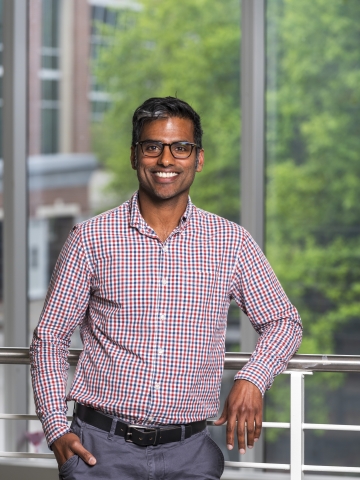
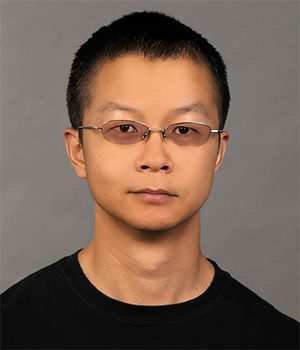
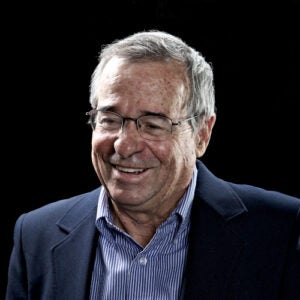
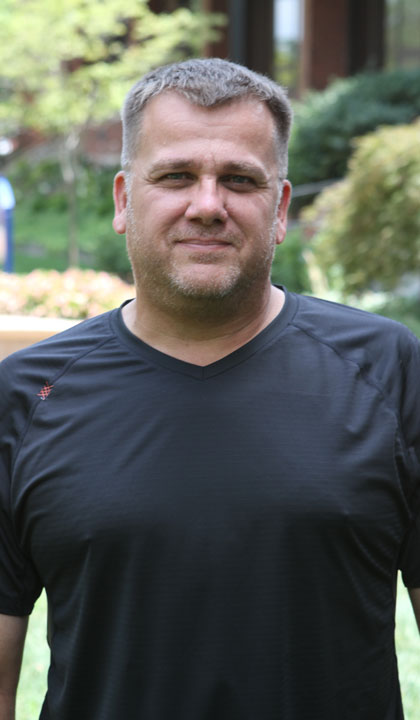
Amit R. Reddi is a Professor at the Department of Chemistry, Georgia Institute of Technology. His research focuses on metalloproteins, particularly the mechanisms of heme trafficking and redox signaling in relation to cancer, neurodegenerative disorders, and infectious diseases. He has received numerous awards for both research and teaching excellence. Education : B.A. from Carleton College (2003) Ph.D. from Columbia University (2008) NIH Postdoctoral Fellowship at Johns Hopkins University (2013) Research Interests : The Reddi laboratory investigates cellular mechanisms of metalloprotein activation and inter-biomolecular communication in metabolic and signaling pathways critical to human health. Key projects explore heme trafficking pathways and the role of Cu/Zn Superoxide Dismutase (SOD1) in redox signaling, with implications for cancer, neurodegenerative diseases, and microbial pathogenesis. Scientific Awards : Vasser Woolley Faculty Fellowship (2021) Student Recognition of Excellence in Teaching Class of 1934 Award (2021) CTL/BP Junior Faculty Excellence in Teaching Award (2019) Bergmann Memorial Award (2018) Blanchard Professorship (2016) NSF CAREER Award (2015) NIH NRSA Post-doctoral Fellowship (2008-2011) Grants & Fellowships : NSF CAREER Award (2015) Sigma Xi Grants-In-Aid-of-Research (2003) NIH Cancer Research Training Award Fellowship (1999-2001)
James Shorter is a Professor of Biochemistry and Biophysics at the Perelman School of Medicine, University of Pennsylvania. He is affiliated with multiple prestigious institutes, including the Institute on Aging (IOA), the Institute for Translational Medicine and Therapeutics (ITMAT), the Penn Center for AIDS Research (CFAR), the Chemistry-Biology Interface (CBI), and the Penn Institute for RNA Innovation. He mentors several training programs such as the Penn Summer Undergraduate Internship Program (SUIP), PennPREP, and the Translational Research Immersion Program (TRIP), and serves as a Primary Trainer at the Center for Neurodegenerative Research (CNDR). Ph.D. in Cell Biology, University of London, 2000 M.A. in Biology, University of Oxford, 1995 Dr. Shorter’s research focuses on protein homeostasis, particularly the mechanisms of protein disaggregation and the role of prion-like domains in neurodegenerative diseases such as ALS, Alzheimer’s, Parkinson’s, and frontotemporal lobar degeneration. His lab investigates the Hsp104 disaggregase from yeast and has engineered variants to combat human proteinopathies. They also identified the mammalian disaggregase system (Hsp110/Hsp70/Hsp40) and explore how small molecules and nuclear import receptors can reverse pathological phase transitions of RNA-binding proteins like TDP-43 and FUS. His work bridges structural biology, genetics, and translational neuroscience. His recent publications highlight trends in targeting TDP-43 and FUS proteinopathies, engineering Hsp104 for selective detoxification, understanding mitochondrial disaggregases like Skd3, and modulating phase transitions with nuclear import receptors. His research spans from fundamental mechanisms of protein folding to therapeutic development for neurodegenerative diseases. Faculty Member, Institute on Aging (IOA) Faculty Member, Institute for Translational Medicine and Therapeutics (ITMAT) Mentor, Penn Summer Undergraduate Internship Program (SUIP) Primary Trainer, Center for Neurodegenerative Research (CNDR) Faculty Member, Penn Center for AIDS Research (CFAR) Member, Penn Institute for RNA Innovation Mentor, Translational Research Immersion Program (TRIP) Dr. Shorter advises numerous graduate students and postdoctoral researchers through the Biochemistry and Molecular Biophysics, Pharmacology, Neuroscience, and Cell and Molecular Biology graduate groups. His lab receives funding from NIH and other sources to support research on protein disaggregation, phase separation, and neurodegenerative disease mechanisms. He has trained many scientists now active in academia and biotech. His lab, located in Stellar-Chance Laboratories, operates at the intersection of biochemistry, cell biology, and translational medicine, with active projects on Hsp104 engineering, mitochondrial proteostasis, and the role of RNA-binding proteins in disease. The lab collaborates widely across Penn and with international partners to advance understanding and treatment of protein misfolding disorders.
Jenny Kao-Kniffin is a Professor in the Horticulture Section of the School of Integrative Plant Science at Cornell University. Her research focuses on the belowground ecology of horticultural landscapes, particularly the ecology and management of invasive plants and weeds in horticultural landscapes, wetlands, and urban ecosystems. She applies concepts from microbial ecology to understand how soil microorganisms impact plant populations both beneficially (aiding in plant growth and fitness) and negatively (keeping populations in check). Dr. Kao-Kniffin's research interests include: Weed science and ecological management of weeds Urban ecology and urban agriculture Rhizosphere biology and plant-microbe interactions Soil microbiome selection and manipulation Ecological approaches to sustainable agriculture Her work centers on three main research areas: selection of rhizosphere microbiomes that modulate plant traits, identifying functional roles of microbiomes that mediate plant growth, and assembly of plant-microbial communities that enhance ecosystem services. She has demonstrated that microbiomes can be manipulated to alter flowering time in plants and has developed ecological approaches for weed management through soil carbon amendments. Her recent publications reveal a strong focus on urban soil microbiomes, nitrogen cycling in agroecosystems, and the application of microbial ecology to sustainable agriculture. The research spans from fundamental plant-microbe interaction studies to practical applications in urban agriculture and weed management, with particular emphasis on how soil amendments and microbial communities can be leveraged for ecological management of plant systems. Notable scientific achievements include: The White House Presidential Early Career Award for Scientists and Engineers (PECASE), 2019 Weihenstephan Science Award, International Collaboration for Early Career Scientists 2017 Cornell University CALS Award for Excellence in Mentoring Undergraduate Students in Independent Research 2013 Dr. Kao-Kniffin actively mentors graduate students and has developed extension programs focused on assisting public and private audiences with methods to manage weedy and invasive plants in horticultural landscapes. Her lab has developed a web-based software program that allows users to select weed management methods based on conventional or organic preferences. She teaches PLSCI 4900: Reflection on Plant Sciences Experiential Learning and maintains an active research program with several ongoing projects in urban agriculture, particularly working with New York City farmers to construct clean soil from local materials.
Prof David Harrison is a Professor at the University of St Andrews' School of Medicine, affiliated with the Sir James Mackenzie Institute for Early Diagnosis and the Cellular Medicine Division. His research focuses on oncology, pharmacology, molecular biology, and AI-driven medical diagnostics. Key projects include the NuCana Biomed research agreement and the ICECAP initiative investigating immunopathology in severe COVID-19 cases. He supervises multiple PhD students and has contributed to advancements in drug development, cancer biology, and AI applications in pathology. His work spans clinical trials (e.g., RAMPART, NUC-3373 studies) and innovative imaging techniques (e.g., DESI-MSI for cancer metabolomics). Education: PhD (not explicitly stated in texts, inferred from academic rank). Research Interests: Prof Harrison’s expertise includes cancer drug mechanisms, molecular enzymology (e.g., 4-oxo-L-proline reductase), AI-driven pathology automation (e.g., cervical biopsy analysis), and immunological responses in critical illnesses. His lab develops tools for high-resolution histopathological imaging and explores metabolic-phenotypic links in tumors. Publications: Recent work includes studies on enzyme catalysis, clinical trial adaptations, and AI applications in diagnostics. These highlight his interdisciplinary approach to bridging basic science with translational medicine. Awards: None explicitly listed in the provided texts. Grants & Advising: Leads projects funded by NuCana Biomed (£171k) and Medical Research Scotland (£8k). Supervises eight PhD students focusing on drug mechanisms, imaging, and molecular biology. Labs/Teams: Collaborates within the Sir James Mackenzie Institute and cellular medicine teams, contributing to multidisciplinary research in early diagnosis and treatment strategies.
Dr. Alanna (Leni) Green is a Senior Research Fellow at the School of Medicine and Population Health, University of Sheffield. She leads the Cancer and Bone (CAB) Lab, focusing on eradicating chemotherapy-resistant dormant cancer cells in bone. Her academic journey includes a BBiomedSci at Monash University, a PhD at the University of Melbourne, and postdoctoral roles in the Sheffield Myeloma Research Team and Helleday’s lab. Education: BBiomedSci (Hons), Monash University PhD, University of Melbourne Her research explores bone-immune-cancer interactions, particularly how bone microenvironment cells protect tumors from therapy. Key areas include retinoic acid receptor signaling, vitamin A regulation of hematopoiesis, and novel drug development for myeloma and bone-metastatic cancers. Recent publications highlight her work in cancer metabolism (MTHFD2 inhibition), bone repair mechanisms, and microenvironmental regulation of lymphopoiesis. She has received over 20 awards, including Young Investigator Prizes from ECTS and ASBMR. Scientific Awards: Wellcome Trust Career Development Award (2024) Yorkshire Cancer Research Pioneer Advanced Fellowship (2024) Blood Cancer UK Project Grant (2023) Faculty MDH Early Career Researcher Prize (2020) Dr. Green supervises the Cancer and Bone Lab, which includes postdoctoral researchers and PhD students. She lectures on translational oncology and molecular medicine courses and actively contributes to professional societies like the Bone Research Society and ECTS.
Markus Hovd is a Senior Lecturer at the Section for Pharmacology and Pharmaceutical Biosciences within the Department of Pharmacy at the University of Oslo's Faculty of Mathematics and Natural Sciences. He also maintains an affiliation with the Neurosurgical Department. His work focuses on pharmacokinetic research with applications in clinical practice and personalized medicine. Philosophiae Doctor (PhD), Department of Pharmacy, University of Oslo, 2024 Master of Pharmacy, Department of Pharmacy, University of Oslo, 2019 Hovd's primary research interest centers on the mechanisms behind pharmacokinetic inter-individual variability and the development of models to aid in personalization of medicine. His research methodology includes population- and physiology-based pharmacokinetic models, in vitro-in vivo extrapolation, and clinical trials. His work spans multiple therapeutic areas including kidney transplantation, obesity-related pharmacokinetics, and cerebrospinal fluid dynamics. Analysis of Hovd's publications reveals a strong focus on pharmacokinetic applications in specialized patient populations, particularly kidney transplant recipients and patients who have undergone bariatric surgery. His research demonstrates expertise in population pharmacokinetic modeling, drug transport mechanisms, and the impact of physiological changes on drug disposition. A significant portion of his work addresses the challenges of drug dosing in complex clinical scenarios where standard pharmacokinetic assumptions may not apply. Hovd serves as a representative for temporary teaching staff on both the Teaching Committee and the Department Board at the Department of Pharmacy. His teaching portfolio includes courses in Pharmaceutical Biochemistry, Pharmacotherapy, Pharmaceutical Microbiology, Research Preparation in Biology, and Applied Pharmacokinetics and Dosing in Clinical Practice. Hovd is actively involved in multiple research groups including Pharmacokinetics, Kidney Transplant Medicine, and the KG Jebsen Center for Cerebrospinal Fluid Research, where he contributes his pharmacokinetic expertise to interdisciplinary neuroscience research.
Bo Chen is an Associate Professor in the Department of Physics at the University of Central Florida (UCF), part of the College of Sciences. He earned his PhD in Physics from Northwestern University in 2007 and held research positions at the NIH before joining UCF in 2011. His research focuses on structural characterization of biomacromolecular assemblies using NMR, TEM, and computational modeling, particularly HIV capsid proteins and antimicrobial peptides. Education: PhD in Physics, Northwestern University (2007). Research Interests: Solid-state NMR techniques, self-assembly mechanisms of viral capsids, nano particle catalysis, and antimicrobial peptide dynamics. His lab develops novel coarse-grain models and integrates experimental and computational approaches to study biomolecular systems. Awards: 2012 UCF Inhouse Award, 2013 AFOSR Young Investigator Award, 2016 COS Dean’s Rising Star Award, and 2020 Mid-Career Refreshment Award. Labs/Teams: Leads the Bo Chen NMR Lab at UCF, focusing on interdisciplinary approaches to structural biology and biophysics. Current students include Tyrone Thames (PhD), with notable alumni like Xin Qiao and Jaekyun Jeon.
Arieh Warshel is a Distinguished Professor of Chemistry and Biochemistry at the University of Southern California’s Dornsife College of Letters, Arts and Sciences. He holds the Dana and David Dornsife Chair in Chemistry and is a Nobel Laureate in Chemistry (2013) for pioneering multiscale simulation methods for biological molecules. His work integrates quantum mechanics and molecular mechanics (QM/MM) to model enzymatic reactions and biological processes. Warshel earned a B.S. from the Technion in Israel (1966), M.S. and Ph.D. from the Weizmann Institute (1967, 1969). He joined USC in 1976 and has since led groundbreaking research in theoretical chemistry, including studies of enzyme catalysis, molecular motors, ion channels, and drug design. His research focuses on computational modeling of biological systems, emphasizing electrostatic effects, proton/electron transfer, and protein dynamics. Key contributions include the EVB (Empirical Valence Bond) method and the QM/MM approach, which revolutionized simulations of enzymatic reactions. Current projects involve multiscale modeling of G-proteins, ion pumps, and molecular machines. Warshel has authored over 500 publications, including seminal works on enzyme catalysis, electrostatic interactions, and molecular dynamics. His honors include membership in the U.S. National Academy of Sciences, the Royal Society of Chemistry’s Honorary Fellowship, and the Biophysical Society’s Founders Award. He oversees a research group with expertise in computational chemistry, mentoring postdocs like Ashim Nandi (plastic-degrading enzymes) and graduate students (e.g., Aoxuan Zhang, Lingfeng Hu). His lab uses advanced computing resources, including 38 dedicated nodes on USC’s HPC cluster, to simulate biological systems at unprecedented scales.
Jukka Alinikula is an Adjunct Professor at the University of Turku's Institute of Biomedicine, specifically within the Unit of Infection and Immunity. He also serves as a University Lecturer in immunology and drug development, and as the Education Director of the Immudocs program. His research focuses on somatic hypermutation mechanisms in B lymphocytes, exploring how antibody diversity is generated while avoiding oncogenic mutations. Alinikula completed his PhD at the University of Turku (Lassila Lab), followed by a postdoc at Yale University (Schatz Lab). Research Interests: Alinikula’s work investigates the targeting of somatic hypermutation to immunoglobulin genes versus proto-oncogenes. His lab uses modern techniques like reporter assays, CRISPR-based screens, and single-cell transcriptomics to dissect mutation enhancer functions. Key topics include genome stability, lymphoma etiology, and the interplay between antibody diversification and cancer risk. Teaching: He teaches immunology and immunopharmacology across bachelor’s, master’s, medical, and doctoral programs, emphasizing case-based learning and practical laboratory training. Supervised students include PhD candidates in immunology and drug development. Labs/Teams: Leads his own research group at the Institute of Biomedicine, collaborating extensively with international teams (e.g., Yale, Czech Academy of Sciences). Active in the InFLAMES Flagship initiative for immune system research.
John K. Walker is an Associate Professor in the Department of Chemistry at Saint Louis University's School of Science and Engineering, with research affiliations in Pharmacology & Physiology. His work focuses on medicinal chemistry approaches to develop novel bioactive molecules targeting critical biological challenges. B.S. in Chemistry, Southern Illinois University at Edwardsville (1990) M.S. in Chemistry, Southern Illinois University at Edwardsville (1992) Ph.D. in Chemistry, Indiana University (1997) Research in the Walker Lab centers on medicinal chemistry , synthetic organic chemistry , and chemical biology , with particular emphasis on: Designing and synthesizing novel bioactive molecules Computational methods including molecular modeling and docking Bacterial efflux pump inhibitors to combat antibiotic resistance GPCR modulators for pain signaling pathways Development of tool compounds for biological studies Recent publications highlight his work in: Efflux pump inhibition mechanisms (2024-2025) Nuclear receptor agonist development (2024) GPCR signaling in pain pathways (2025) Antibiotic permeation modeling (2024) Metabolic disease therapeutics (2023-2024)
Bradley L. Pentelute is a Professor of Chemistry at the Massachusetts Institute of Technology (MIT) , affiliated with the School of Science and the Department of Chemistry . His research focuses on developing advanced chemical tools for protein modification, drug delivery, and rapid biopolymer synthesis. The Pentelute Lab pioneers technologies like automated flow chemistry for protein synthesis and engineered anthrax toxin-based delivery systems. Research Interests: The lab invents chemistries to modify proteins for therapeutic applications, such as antibody-drug conjugates and cell-penetrating peptides. They also develop fast-flow synthesis platforms to produce large proteins and study protein-protein interactions using affinity selection-mass spectrometry. Key areas include peptide macrocycles , mirror-image proteins , and antisense delivery . Recent Work: The 2025 publications highlight advancements in automated synthesis of immune checkpoint receptors (PD-1/PD-L1), mirror-image proteins (e.g., cyclophilin A), and affinity selection techniques. Earlier work includes breakthroughs in anthrax toxin-mediated delivery of antisense oligonucleotides and ultra-fast protein synthesis. Labs & Teams: The Pentelute Lab collaborates widely, leveraging MIT’s resources to bridge chemistry, biology, and engineering. Ongoing projects include developing brain-penetrant therapeutics and machine learning-aided peptide design.
Gaurav Arya is a Professor in the Thomas Lord Department of Mechanical Engineering and Materials Science at Duke University, with additional appointments in the Department of Chemistry and Biomedical Engineering. His research laboratory employs physics-based computational tools to investigate biological and soft-material systems at the molecular scale. Ph.D. from University of Notre Dame (2003) B.Tech. from Indian Institute of Technology Delhi (1998) Research focuses on: Molecular modeling and simulations Statistical mechanics DNA nanotechnology Viral DNA packaging Chromatin biophysics Polymer-nanoparticle composites Recent research trends emphasize AI-driven materials discovery and programmable DNA nanostructures. Key grants include: NSF DMREF: Architecting DNA nanodevices (2023-2027) DOE Mesoscale Self-Assembly (2020-2027) UC San Diego Ligand-Nanocrystal Interlayer Studies (2024-2027) Scientific contributions: Featured in 2025 Nature Communications on DNA superstructures 2022 Science Advances on DNA nanodevice reconfiguration 2021 PNAS on viral DNA packaging motors
Professor Kang Chen is a faculty member at the Wayne State University School of Medicine with joint appointments in the Department of Obstetrics and Gynecology , Biochemistry, Microbiology and Immunology , Oncology , and the Center for Molecular Medicine and Genetics . He co-chairs the Immunology Focus Group across Wayne State University, Karmanos Cancer Institute, and Henry Ford Health. PhD : Weill Cornell Medicine, Memorial Sloan-Kettering Cancer Center, Hospital for Special Surgery BSc (First-Class Honours): National University of Singapore Dr. Chen's research focuses on immune regulation of cancer , reproductive disorders , and mucosal immunity . His lab investigates antibody diversification mechanisms in B cells, immunoglobulin class switching and somatic hypermutation dysregulation in diseases, and maternal-fetal immune interactions affecting pregnancy outcomes. Recent publications highlight his work on WWC proteins in tumor suppression (2025), gene therapy for mesothelioma (2024), IgD-basophil interactions (2023), Maspin in cancer stem cell regulation (2022), and preterm labor immunoprotection (2017). His studies span immunology , oncology , and reproductive medicine . Scientific Awards American Association of Immunologists Travel Awards (2023, 2025) College Teaching Awards (2020, 2017) Research Excellence Award (2016) Burroughs Wellcome Fund Investigator (2014) NIH MIST Young Investigator Award (2013) Dr. Chen teaches Immunology , Cancer Immunotherapy , and Reproductive Biology courses at Wayne State University. His lab collaborates with academic and clinical partners across institutions, leveraging molecular, cellular, and animal model approaches to develop novel therapeutics for cancer and immune-related reproductive disorders. As principal investigator, he leads studies on maternal-fetal immune crosstalk , antibody diversification , and mucosal immunology , with patents in therapeutic antibody generation and preterm labor prevention .
Gemma Atkinson is an Associate Professor at Lund University's Faculty of Medicine, leading the Atkinson Lab. She specializes in protein evolution and bioinformatics, focusing on antibiotic resistance, bacteriophages, and toxin-antitoxin systems. She manages LU-Fold, an infrastructure for high-throughput protein structure prediction using AlphaFold. Her research integrates computational tools with experimental methods to uncover microbial defense mechanisms. Key projects include developing bioinformatics tools (e.g., LoVis4u, webFlaGs) and investigating phage defense systems. She leads grants from the Swedish Research Council and the Knut and Alice Wallenberg Foundation. Her lab collaborates internationally, contributing to UN Sustainable Development Goals on health and innovation. Publications highlight advancements in toxin-antitoxin systems, antimicrobial peptides, and ribosome function. The lab's tools are widely used globally, aiding researchers in structural and functional genomics analysis.
Dr. Alexandra Machado Ferreira Castilho is a leading researcher at the Institute of Plant Biotechnology and Cell Biology within the University of Natural Resources and Life Sciences, Vienna (BOKU) . She has served as Principal Investigator since 2018 and previously as Scientific Coordinator of the Laura Bassi Center PlantBioP (2010-2017). Her work focuses on Plant Molecular Farming and Glycoengineering , aiming to optimize plant-based production of therapeutically relevant glycoproteins. Specializes in tailoring N-glycan profiles for biopharmaceuticals Develops plant cell factories for antibody and decoy receptor production Key projects include SARS-CoV-2 neutralization strategies and cancer immunotherapy agents Her recent publications analyze glycoengineering techniques in Nicotiana benthamiana , covering topics like ACE2-Fc decoys for viral neutralization, PD1/PDL1 blockade for oncology, and protease suppression for protein stability. She has received funding from the Austrian Science Fund (FWF) for projects on immune checkpoint inhibitors and glycosylation pathway modulation.