معرفی
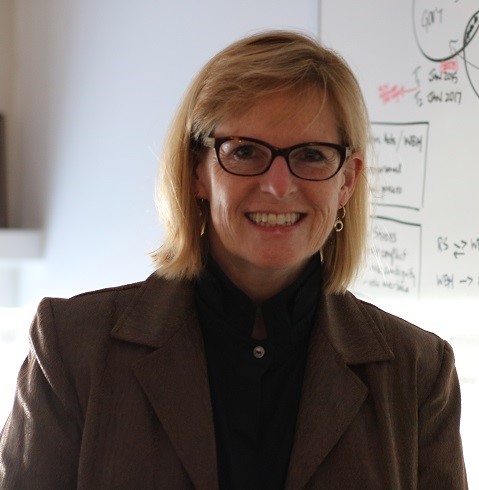
Professor Karen Niven is a distinguished academic and leader in organizational psychology at the Sheffield University Management School. She holds the position of Professor of Organisational Psychology and serves as the Associate Dean for One University, overseeing Equality, Diversity, and Inclusion (EDI), staff wellbeing, and sustainability. Her academic journey includes roles as Head of the Work Psychology Group and previously at Alliance Manchester Business School. Niven earned her BSc (Psychology) from the University of Leeds and her MSc and PhD in Psychology from the University of Sheffield.
- Education:
- BSc Psychology – University of Leeds
- MSc Work Psychology – University of Sheffield
- PhD Psychology – University of Sheffield
Her research focuses on interpersonal emotion regulation and the 'darker side of workplace relationships', including bullying and aggression. Key themes include AI-driven emotion monitoring, bystander behavior in mistreatment, and age-related differences in emotion regulation effectiveness. She employs diverse methodologies, such as diary studies and social network analysis, and collaborates globally with researchers in Spain, the Netherlands, Chile, and beyond.
Professor Niven’s work has been funded by prestigious bodies like the ESRC, UKRI, and the Richard Benjamin Trust. She sits on editorial boards of high-impact journals, including Journal of Management and Journal of Organizational Behaviour. Her publications bridge academic and practical insights, such as co-editing Should I Strap a Battery to My Head? (And Other Questions About Emotion) and Making a Difference with Psychology.
In advising, she supervises doctoral researchers like Aishwarya Verma, exploring age dynamics in emotion regulation. Her grants and collaborations underscore a commitment to addressing real-world challenges, such as workplace well-being and bullying intervention. She leads the Work Psychology Group and contributes to initiatives like the Dean’s List at the Management School.
Notably, Niven’s research on bystander dynamics and the psychological impacts of workplace mistreatment has shaped organizational policies and interventions. Her recent focus on pandemic-era homeworking further highlights her adaptability to contemporary challenges.