معرفی
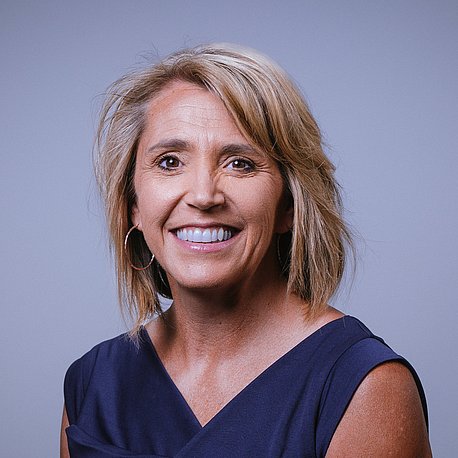
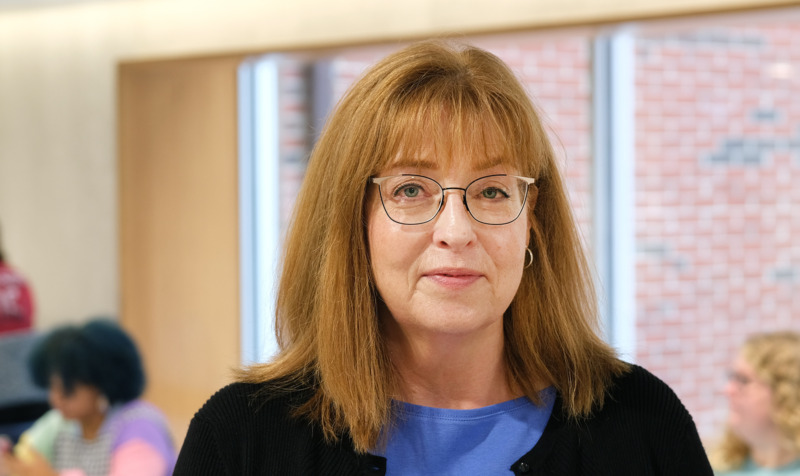
Jonas Cox is an Associate Professor in the Department of Teacher Education at Gonzaga University’s School of Education. He holds a Ph.D. in Elementary Education from the University of Iowa and brings extensive experience from K–12 teaching and academic leadership. His work spans teaching, research, and grant-funded initiatives focused on transformative educational practices.
- Ph.D., Elementary Education, University of Iowa (1997)
- M.A., Teaching, Lewis and Clark College (1989)
- B.S., Business Administration, Oregon State University (1983)
Dr. Cox’s research centers on environmental education, alternative educational models, and teacher perceptions of knowledge in educational reform. He collaborates extensively with the Pacific Education Institute and has contributed to state-level science education frameworks. His work emphasizes experiential, place-based learning and the integration of outdoor experiences into formal curricula. He also investigates how teacher epistemology affects reform adoption and supports at-risk student populations through innovative school models.
His recent publications and funded research reflect a strong trend in environmental empathy development, field investigations in science, and school restructuring. These articles highlight interdisciplinary approaches combining psychology, pedagogy, and environmental science.
Notable scientific contributions and leadership include:
- Co-author of At Risk Students: Reaching and Teaching Them (2nd ed., 2004)
- Multiple peer-reviewed articles on environmental education and alternative schooling
- Presentations at the Jean Piaget Society and state education conferences
Dr. Cox has secured significant external funding, including grants from the National Park Foundation ($135,000), Washington State Higher Education Board ($237,457), and NASA Project NOVA. He mentors students in research and grant writing, with several co-publishing and receiving funding. His academic service includes roles on the Faculty Senate, Academic Vice President’s Advisory Committee, and various school-level assessment and certification committees. He teaches courses such as Learning Theories, Instructional Foundations, and Elementary Math and Science Methods, shaping future educators through both theory and practice.
He is actively involved with research teams and professional networks including the Pacific Education Institute, Environmental Education Association of Washington, and the Society for the Advancement of Genetic Epistemology, contributing to collaborative research, curriculum design, and teacher development programs.
حوزههای پژوهشی