معرفی
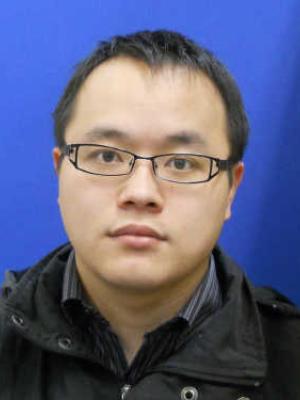
Jiping Tang, MD is a Professor in the Physiology Division of the Basic Sciences department at Loma Linda University School of Medicine. With over two decades of academic experience, Dr. Tang has established himself as a leading researcher in the field of cerebral hemorrhage and neuroprotection.
Dr. Tang received his MD from Chongqing Medical University in 1983. His academic journey has led him to become a prominent figure in neuroscience research, particularly focusing on mechanisms of brain injury and potential neuroprotective strategies.
Dr. Tang's research primarily centers on cerebral hemorrhage, including subarachnoid hemorrhage, intracerebral hemorrhage, and germinal matrix hemorrhage in neonates. His work investigates the molecular mechanisms underlying neuroinflammation, oxidative stress, and neuronal cell death following hemorrhagic events. A significant portion of his research explores neuroprotective pathways, including those involving iron homeostasis, mitochondrial function, and microglial/astrocyte activation states. His laboratory has made important contributions to understanding how various signaling pathways (such as NDRG1/Yap, PPAR, and RhoA/YAP) can be targeted to mitigate brain injury.
Analysis of Dr. Tang's recent publications reveals a strong focus on neuroinflammation and cellular death mechanisms following hemorrhagic stroke. His work spans both basic molecular mechanisms and potential therapeutic interventions, with particular emphasis on neonatal brain injury and subarachnoid hemorrhage. The research demonstrates a sophisticated understanding of cell signaling pathways and their role in neurological recovery.
Dr. Tang has secured substantial research funding throughout his career, primarily from the National Institutes of Health. His current projects include
- "Novel neurovascular protective mechanisms of PEDF after subarachnoid hemorrhage"
- "The role of cerebral venous circulation in subarachnoid hemorrhage pathology"
- "Harnessing blood clot clearance mechanisms after germinal matrix hemorrhage"
Within the academic community, Dr. Tang has contributed to the Integrated Freshman Curriculum Committee at Loma Linda University School of Medicine and was previously a member of the American Physiology Society. His teaching responsibilities include research supervision (NSBB 697) and specialized physiology courses.