معرفی
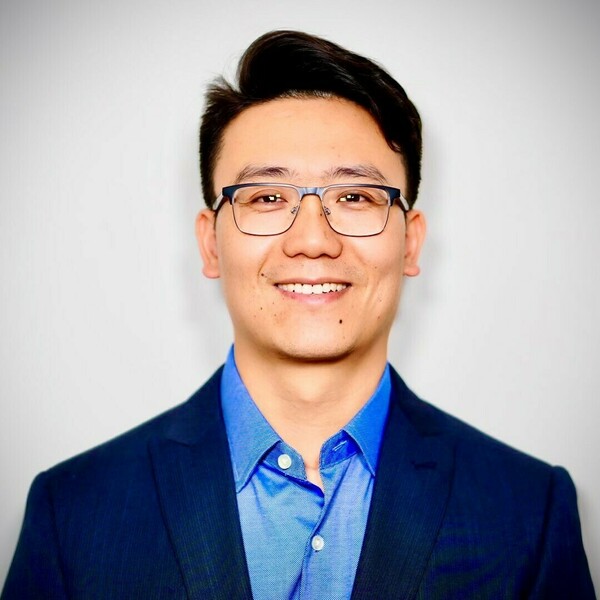
Jianneng Li is the Archibald Assistant Professor in the Department of Biological Sciences at the University of Notre Dame, where he leads a research laboratory focused on steroid hormones, their receptors, and their roles in prostate and related cancers. He joined the faculty in 2023 after completing postdoctoral training at the Cleveland Clinic.
Research Interests: Dr. Li's research centers on understanding the molecular mechanisms of antiandrogen resistance in prostate cancer, particularly the role of glucocorticoid receptor (GR) signaling and steroid metabolism. His work explores how dysregulation of enzymes like 11β-HSD2 and H6PD contributes to therapy resistance. The lab investigates steroid precursors, receptor crosstalk, and metabolic reprogramming in tumor cells, aiming to identify new therapeutic vulnerabilities.
Publication Trends: His recent publications reveal a strong focus on steroid receptor plasticity, intratumoral steroidogenesis, and resistance mechanisms in advanced prostate cancer. The studies integrate molecular biology, clinical tissue analysis, and preclinical models, often identifying novel metabolic pathways that bypass androgen receptor inhibition. Techniques such as CRISPR screening, metabolomics, and functional imaging are central to his approach.
Scientific Awards:
- No specific awards listed in the provided text.
Advising and Grants: Dr. Li mentors postdocs, graduate students, and undergraduates in his lab at Notre Dame. His research is supported by institutional funding and collaborative grants, particularly in cancer biology and endocrinology. He actively collaborates with international laboratories and leverages core facilities for advanced technologies like Cryo-EM and genome editing.
Labs and Teams: The Jianneng Li Lab, launched in January 2023, is based at the Galvin Life Science Center. The team employs cutting-edge methods including CRISPR/Cas9 screening, fluorescence imaging, and small molecule screening to investigate steroid-driven cancers. The lab culture emphasizes integrating rigorous science with translational impact, aiming to bridge bench findings to clinical applications.