معرفی
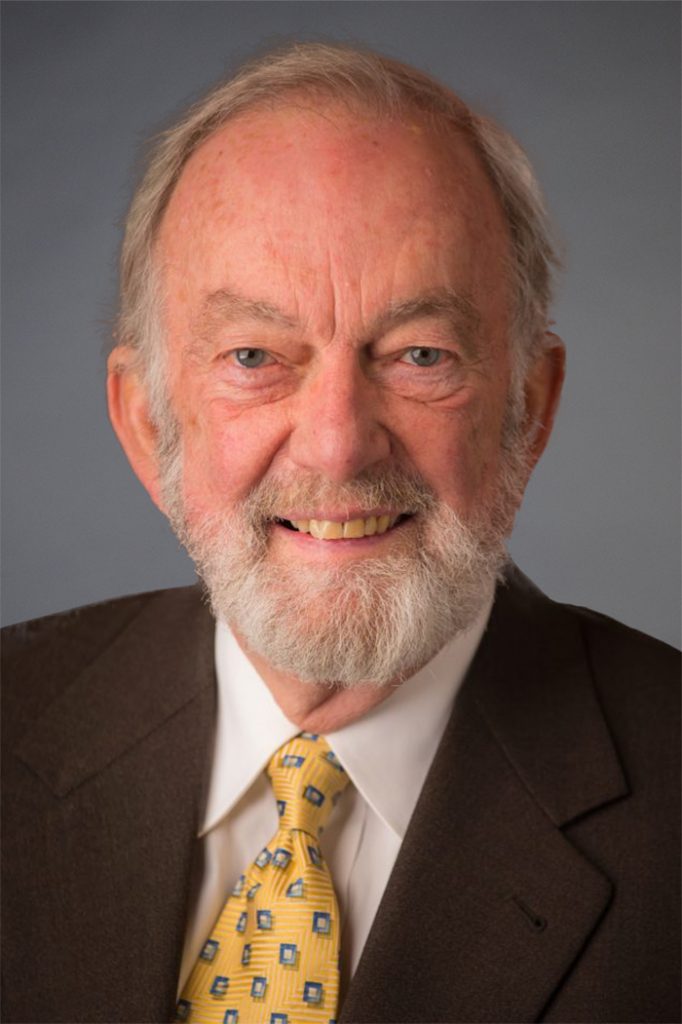
James Wood serves as an Associate Teaching Professor in Political Economy within the Department of Politics and International Studies (POLIS) at the University of Cambridge, where he is also affiliated with the Faculty of Human, Social, and Political Science. Additionally, he holds a Staff Fellowship in Politics at Trinity Hall, Cambridge, where he serves as the HSPS Director of Studies and Undergraduate Tutor, having previously served as Acting Senior Tutor of the College.
- University of Sussex: B.A. in Economics (2010-2013)
- King's College London: M.A. (2014) and Ph.D. in International Political Economy (2017)
Wood's research focuses on political economy with particular emphasis on innovation policy, housing systems, and crisis construction across the United States, United Kingdom, and European Union. His work examines how housing functions as an asset-based welfare system, the political dimensions of innovation policymaking, and the construction of economic crises in contemporary democracies. He investigates the role of megaprojects in regional development and the political economy of welfare state transformation, particularly examining housing as what he terms the 'fifth pillar' of the welfare state.
His recent publications reveal a strong focus on polycentric governance approaches to innovation, the political dynamics of housing policy, and the comparative analysis of economic policy responses to crises. Wood's research connects theoretical political economy with practical policy analysis, often examining how economic policies are constructed and legitimized in different political contexts.
- Co-convenor of the Political Studies Association's British and Comparative Political Economy Specialist Group
- Associate Editor of the Cambridge Journal of Regions, Economy and Society
Before entering academia, Wood spent nearly a decade working at one of the largest mortgage joint ventures in the United States, providing him with practical industry experience that informs his academic research on housing finance and asset-based welfare systems. His research bridges academic theory with real-world policy challenges, particularly in the areas of housing affordability, innovation ecosystems, and the political management of economic crises.