معرفی
Dr. Iris Lindberg is a Professor in the Department of Neurobiology at the University of Maryland School of Medicine, with a secondary appointment in Biochemistry & Molecular Biology. She has maintained continuous NIH funding since 1984 and has published 178 peer-reviewed papers with approximately 8,500 citations. Her laboratory focuses on proteostatic control of secretory pathway biochemistry and cell biology, particularly examining natural chaperone interactions involved in protein aggregation in neurodegenerative diseases.
Dr. Lindberg received her A.B. in Biochemistry from the University of California at Berkeley in 1975, followed by a Ph.D. from the University of Wisconsin at Madison in 1980. She completed postdoctoral training at the NIH (NIMH) in Neuropharmacology from 1981-1984. Prior to joining the University of Maryland in 2007 following Hurricane Katrina, she was a professor at Louisiana State University Health Sciences Center in New Orleans.
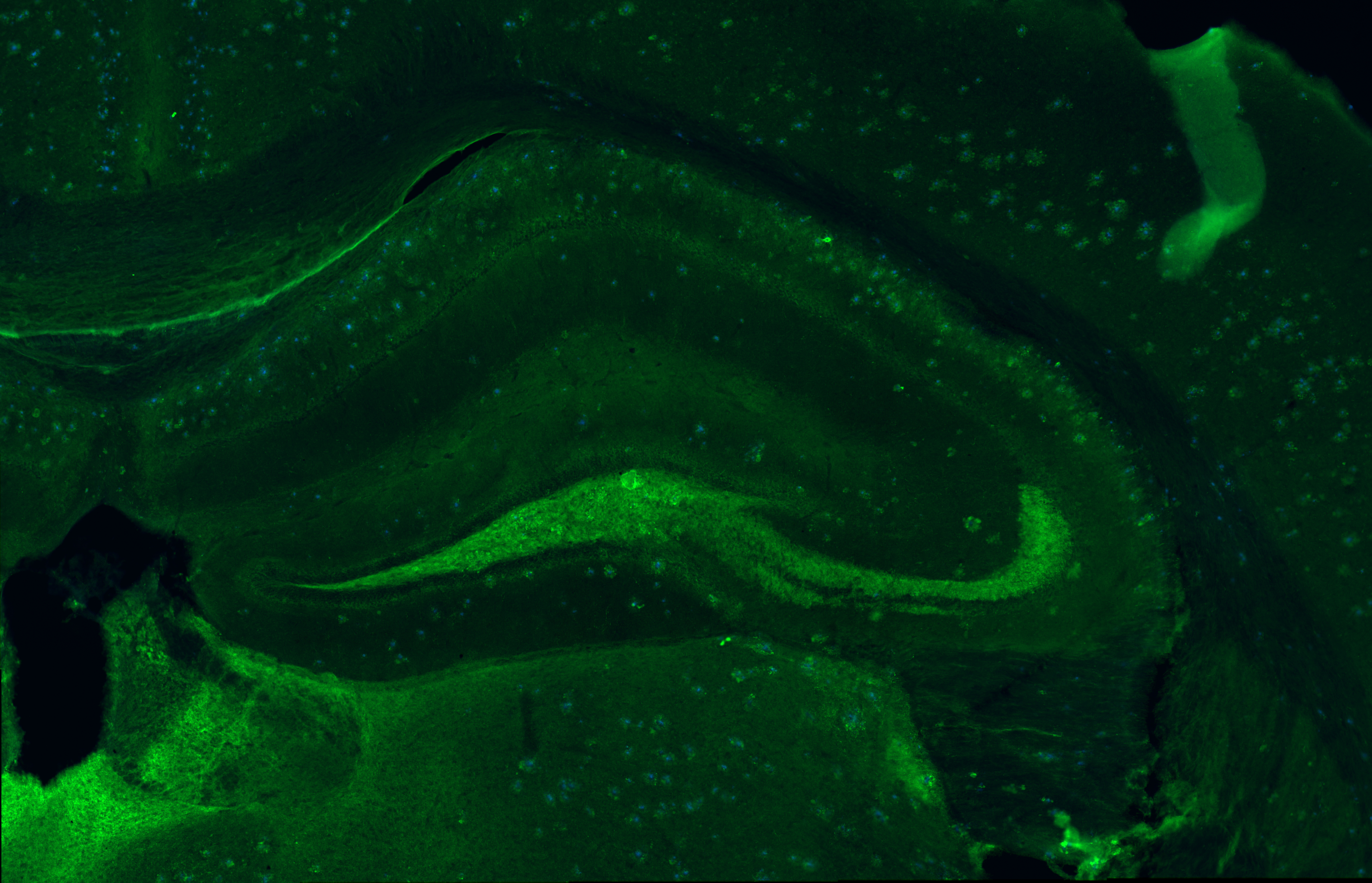
Dr. Lindberg's research centers on the role of secreted chaperones like proSAAS and 7B2 in preventing protein aggregation in neurodegenerative diseases. Her laboratory discovered that these neuronally-expressed chaperones control the aggregation of secretory proteins involved in neurodegeneration. Current research examines how these chaperones function within the secretory pathway and synaptic cleft to prevent pathological protein assembly in Alzheimer's, Parkinson's, and ALS. Her work has demonstrated that proSAAS overexpression provides neuroprotection and reduces motor dysfunction in Parkinson's disease models. Additional research focuses on prohormone convertases PC1/3 and PC2, examining how mutations in these enzymes contribute to obesity and diabetes.
Dr. Lindberg's publication record reveals a strong focus on protein chaperones in neurodegeneration, with recent work examining proSAAS interactions with amyloid plaques, α-synuclein pathology, and TDP-43 aggregates. Her laboratory has also made significant contributions to understanding prohormone convertase biology, particularly regarding PCSK1 mutations associated with obesity.
- NIH Individual Postdoctoral Fellowship (1981)
- Pharmacology Research Associate Traineeship (1981-1983)
- Research Career Development Award from NIDDK (1988-1993)
- Research Scientist Development Awards from NIDA (1993-2003)
Dr. Lindberg has mentored numerous graduate students, postdoctoral fellows, and research technicians throughout her career. Current and past trainees include Kriti Chaplot, Manita Shakya, Tim Jarvela, and Juan Ramon Peinado. Her laboratory has been continuously funded by the NIH since 1985, with current grants including "ProSAAS-mediated neuroprotective mechanisms in Alzheimer's and Parkinson's diseases" (R01 AG062222) and "Opioid Peptide Synthesing Enzymes" (R01 DA042351).
The Lindberg Laboratory maintains expertise in multiple techniques including recombinant protein expression, cell culture models of neurodegeneration, animal models of Alzheimer's and Parkinson's disease, and biochemical analysis of protein aggregation. The laboratory has developed specialized methods such as the agarose cloning technique for efficient cell line generation and maintains a comprehensive collection of antisera for prohormone convertases and related proteins.